Japanese Wagyu Prefectures: A Guide to Japan's Top Wagyu Regions
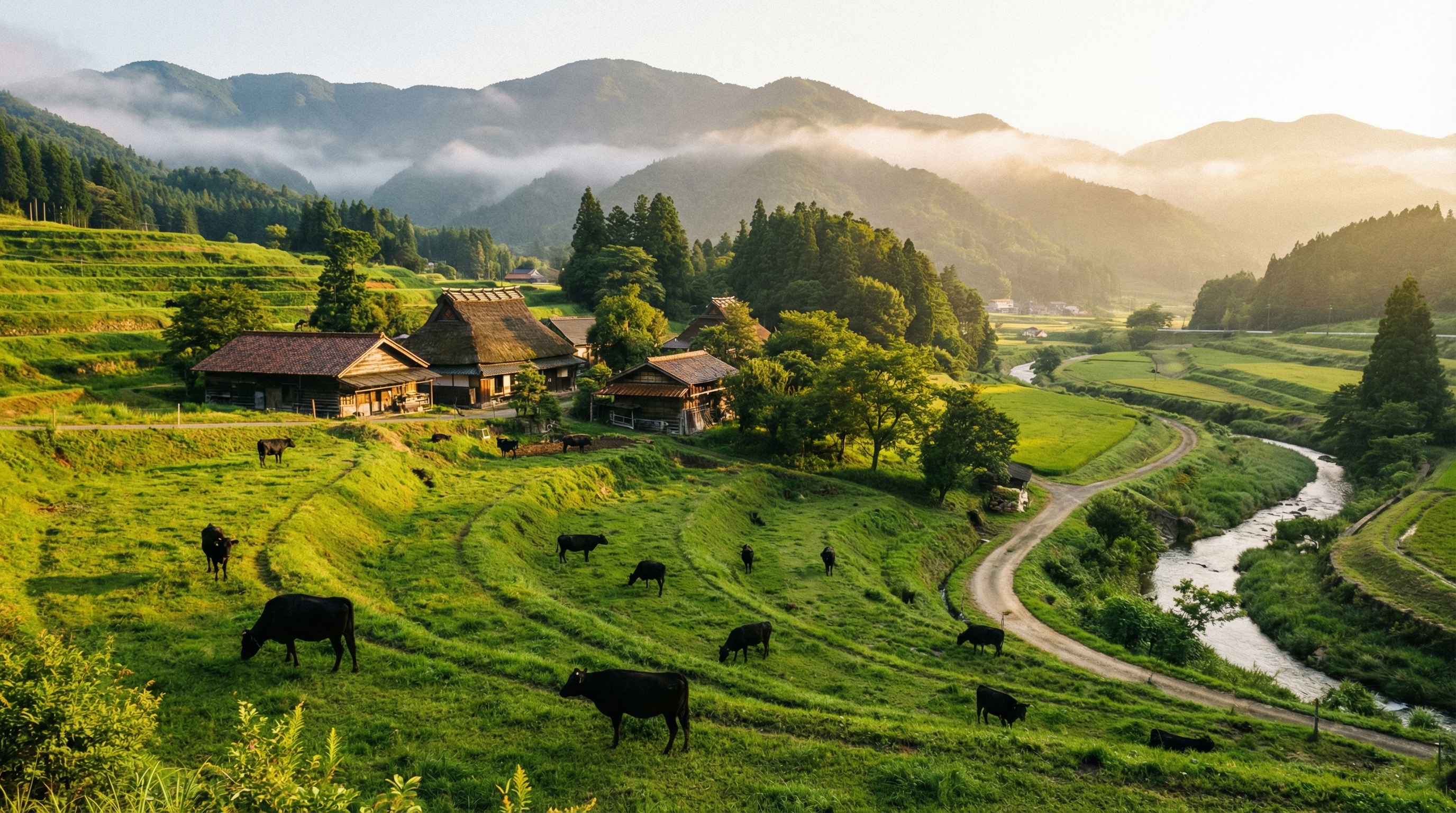
When people talk about Japanese wagyu, they often treat it as a single product. In reality, Japan produces over 200 branded wagyu varieties across dozens of prefectures, and the differences between them are as distinct as the gap between Burgundy and Bordeaux.
Understanding which prefecture your wagyu comes from tells you about the cattle's genetics, feed, climate, and the standards that beef had to meet before earning its regional brand. This guide covers the most important wagyu-producing prefectures and what sets each one apart.
Why Prefecture Matters
Japan's wagyu branding system ties beef to specific geographic regions, similar to how Champagne must come from Champagne. Each branded wagyu must meet criteria that go beyond the national wagyu grading system:
- Bloodline requirements — specific sire lines or breed registries
- Raising location — cattle must be raised within the prefecture for a minimum period
- Feed programs — some regions mandate specific grain blends or feeding durations
- Minimum quality grades — often A4 or A5 only
These requirements mean that a Kobe beef steak and a Miyazaki beef steak — even at the same BMS marbling score — will taste noticeably different.
Kobe Beef — Hyogo Prefecture
Kobe beef is the most famous wagyu brand worldwide, but it represents less than 1% of Japan's total wagyu production. The strict requirements make it one of the rarest premium beefs on earth.
Requirements
- Must be born, raised, and processed in Hyogo Prefecture
- Must come from the Tajima strain of Japanese Black cattle
- BMS score of 6 or higher (out of 12)
- Carcass weight between 260–470 kg
- Meat quality grade of 4 or 5
Flavor Profile
Kobe beef is known for an exceptionally refined marbling pattern. The Tajima bloodline produces smaller-framed cattle with finer fat webbing than most other strains. The result is a buttery, almost sweet flavor with a lighter mouthfeel than the heavier marbling you'll find in some Miyazaki or Kagoshima beef.
What to Know Before Buying
Genuine Kobe beef carries a 10-digit identification number traceable to the individual animal. Outside Japan, authorized retailers are listed on the Kobe Beef Marketing & Distribution Promotion Association website. If a restaurant claims to serve Kobe beef but can't show certification, be skeptical. For more on this distinction, see our Kobe beef vs wagyu guide.
Matsusaka Beef — Mie Prefecture
Matsusaka beef competes with Kobe for the title of Japan's finest wagyu. Some Japanese beef connoisseurs actually prefer it, and at auction, Matsusaka cattle regularly command the highest prices in the country.
Requirements
- Female (heifer) Japanese Black cattle only — no steers
- Raised in the Matsusaka region of Mie Prefecture
- Minimum feeding period of roughly 900 days (most wagyu is 28–32 months)
- Individual animal registration and traceability
Flavor Profile
The female-only requirement and extended feeding period produce extraordinarily rich, intensely flavored beef. Matsusaka fat has a lower melting point than most wagyu, which creates a melt-on-the-tongue sensation that's hard to replicate. The flavor tends toward deeper umami notes compared to Kobe's lighter sweetness.
What Makes It Special
The legendary Matsusaka feeding program sometimes includes beer in the cattle's diet and massage — though these practices are more tradition than standard protocol. What genuinely matters is the extended feeding duration, which allows intramuscular fat to develop more complex flavor compounds over nearly three years of growth.
Ohmi Beef — Shiga Prefecture
Ohmi beef (also written Omi) holds the distinction of being Japan's oldest branded wagyu, with records dating back over 400 years to the Edo period. It was originally produced as a preserved meat gift for the Tokugawa shogunate. For a detailed comparison with Kobe, see our Ohmi beef vs Kobe beef guide.
Requirements
- Japanese Black cattle raised in Shiga Prefecture
- Longest feeding history in the designated region
- BMS 7 or higher for top-grade Ohmi
Flavor Profile
Ohmi beef strikes a balance between Kobe's fineness and Matsusaka's richness. The marbling is dense but evenly distributed, producing a clean, well-rounded flavor. Many chefs prize Ohmi for its versatility — it performs equally well as sashimi, sukiyaki, or grilled steak.
The Underrated Choice
Because Ohmi lacks Kobe's global marketing machine, it often sells for 20–30% less at comparable quality grades. For buyers who care about eating quality over brand prestige, Ohmi represents some of the best value in top-tier Japanese wagyu.
Miyazaki Beef — Miyazaki Prefecture
Miyazaki has won the "Wagyu Olympics" (National Competitive Exhibition of Wagyu) multiple times, establishing it as one of Japan's elite producing regions. The prefecture's warm climate and lush grassland contribute to consistent, high-quality production. Read our full Miyazaki wagyu guide for a deeper look.
Requirements
- Japanese Black cattle born and raised in Miyazaki Prefecture
- Meat quality grade of 4 or higher
- BMS 8 or higher for "Miyazaki Beef" brand designation
Flavor Profile
Miyazaki wagyu tends toward bold, pronounced marbling with a rich, savory profile. The fat is creamy and abundant, often scoring BMS 10–12 at the top end. If you prefer your wagyu with maximum marbling intensity, Miyazaki delivers.
Competition Pedigree
Miyazaki's dominance at the Wagyu Olympics (held every five years) isn't just bragging rights — it drives breeding stock demand across Japan. Many other prefectures use Miyazaki sire lines, making it one of the most genetically influential wagyu regions.
Kagoshima Beef — Kagoshima Prefecture
Kagoshima is Japan's largest wagyu-producing prefecture by volume, accounting for roughly 20% of national production. The southern Kyushu location provides a mild climate year-round.
Requirements
- Japanese Black cattle raised in Kagoshima Prefecture for the longest portion of their lives
- Meat quality grade of 4 or 5 for branded Kagoshima beef
Flavor Profile
Kagoshima beef offers a slightly lighter, cleaner marbling compared to Miyazaki. The fat tends to be well-distributed with a subtle sweetness. It's often described as approachable — rich enough to be unmistakably wagyu, but not so heavy that it overwhelms in larger portions.
Best for Newcomers
If you're exploring Japanese A5 wagyu for the first time, Kagoshima is an excellent starting point. The flavor is crowd-pleasing, the production volume means better availability, and the price point is typically more accessible than Kobe or Matsusaka.
Hida Beef — Gifu Prefecture
Hida beef comes from Japan's mountainous Gifu Prefecture, where cold winters and clean alpine water contribute to distinctive beef character.
Requirements
- Japanese Black cattle raised in Gifu Prefecture for 14 months or more
- Meat quality grade of 3 or higher (A3–A5)
Flavor Profile
Hida wagyu has a refined, delicate flavor with gentle sweetness. The marbling is fine-grained, and the fat carries a slightly nutty quality that distinguishes it from coastal-region wagyu. It's particularly popular in central Japan and pairs well with the region's traditional shabu-shabu preparations.
How to Choose Between Prefectures
Selecting a prefecture comes down to your flavor preferences and intended preparation:
For delicate preparations (sashimi, light sear): Kobe or Ohmi — their fine marbling and lower fat melting points shine when the beef isn't heavily cooked.
For rich, indulgent dishes (sukiyaki, shabu-shabu): Matsusaka or Miyazaki — the bold marbling holds up in hot-pot preparations where some fat renders away.
For grilling and steak: Kagoshima or Hida — approachable richness that works well with higher heat and longer cooking. See our how to cook wagyu steak guide for technique tips.
For best value at top quality: Ohmi — comparable quality to Kobe at lower prices due to less brand recognition.
Verifying Authenticity
Every piece of genuine Japanese wagyu carries traceability documentation:
- 10-digit individual ID number — traceable to the specific animal
- Prefecture brand certification — usually a sticker or stamp on the packaging
- Export certificate — for beef sold outside Japan, issued by Japan's Ministry of Agriculture
You can verify any Japanese wagyu's ID number at the National Livestock Breeding Center database, which shows the animal's birth date, breed, and where it was raised.
The Bottom Line
Japanese wagyu isn't one product — it's a collection of regional traditions, bloodlines, and quality standards that produce meaningfully different eating experiences. Whether you gravitate toward Kobe's refined elegance, Matsusaka's intense richness, or Kagoshima's approachable warmth, knowing the prefecture helps you buy with confidence and appreciate what makes each region's beef worth seeking out.
Explore our other guides to deepen your wagyu knowledge: understanding marbling grades, the American vs Japanese wagyu comparison, and where to buy wagyu online for sourcing tips.
Frequently Asked Questions
How many wagyu prefectures are there in Japan?
Japan has over 200 branded wagyu varieties produced across dozens of prefectures, but the most prestigious regions include Hyogo (Kobe beef), Mie (Matsusaka beef), Shiga (Ohmi beef), Miyazaki, Kagoshima, and Gifu (Hida beef). Each prefecture sets its own branding requirements for bloodline, raising location, feeding duration, and minimum quality grade.
Which Japanese wagyu prefecture produces the best beef?
There is no single "best" — it depends on your flavor preferences. Kobe beef (Hyogo) is known for refined, delicate marbling with a buttery sweetness. Matsusaka beef (Mie) produces intensely rich, umami-forward beef from extended feeding. Miyazaki beef wins the most competition awards for bold, heavy marbling. Ohmi beef (Shiga) offers comparable quality to Kobe at 20-30% lower prices.
Is Kobe beef the same as Japanese wagyu?
No. Kobe beef is one specific brand of Japanese wagyu, produced only in Hyogo Prefecture from Tajima-strain Japanese Black cattle that meet strict quality requirements. All Kobe beef is wagyu, but less than 1% of Japanese wagyu qualifies as Kobe beef. Other prestigious prefectural brands like Matsusaka, Ohmi, and Miyazaki produce equally high-quality wagyu.
How can I verify which prefecture my wagyu comes from?
Every piece of genuine Japanese wagyu carries a 10-digit individual identification number traceable to the specific animal. You can verify this number at Japan's National Livestock Breeding Center database (id.nlbc.go.jp), which shows the animal's birth date, breed, and raising location. Prefectural brand certification is indicated by official stamps or stickers on the packaging.
What is the cheapest Japanese wagyu prefecture for A5 quality?
Kagoshima beef typically offers the most accessible pricing for A5-grade Japanese wagyu, as Kagoshima is Japan's largest wagyu-producing prefecture (roughly 20% of national production). Ohmi beef from Shiga Prefecture also represents excellent value — comparable quality to Kobe at 20-30% lower prices, due to less global brand recognition.
More Expert Guides
What Is Wagyu Beef? The Complete Guide to Grades, Origins & Quality
Discover wagyu beef origins, the difference between Japanese A5 and American wagyu, how BMS grading works, why marbling matters, proper cooking techniques, and what you should pay in 2026.
12 min readA5 Wagyu: Your Complete Buying & Authentication Guide (2026)
A5 wagyu represents the pinnacle of beef quality, but not all A5 is created equal. Learn how to authenticate real Japanese A5, decode BMS scores, find fair prices, and cook it perfectly at home.
14 min readA5 Wagyu Prefectures: Regional Guide to Japan's Best Beef
Discover the regional differences in Japanese A5 wagyu across 12 key prefectures. Learn which prefecture produces the flavor profile you'll love most.