Wagyu Sukiyaki: The Complete Guide to Japan's Premier Hot Pot
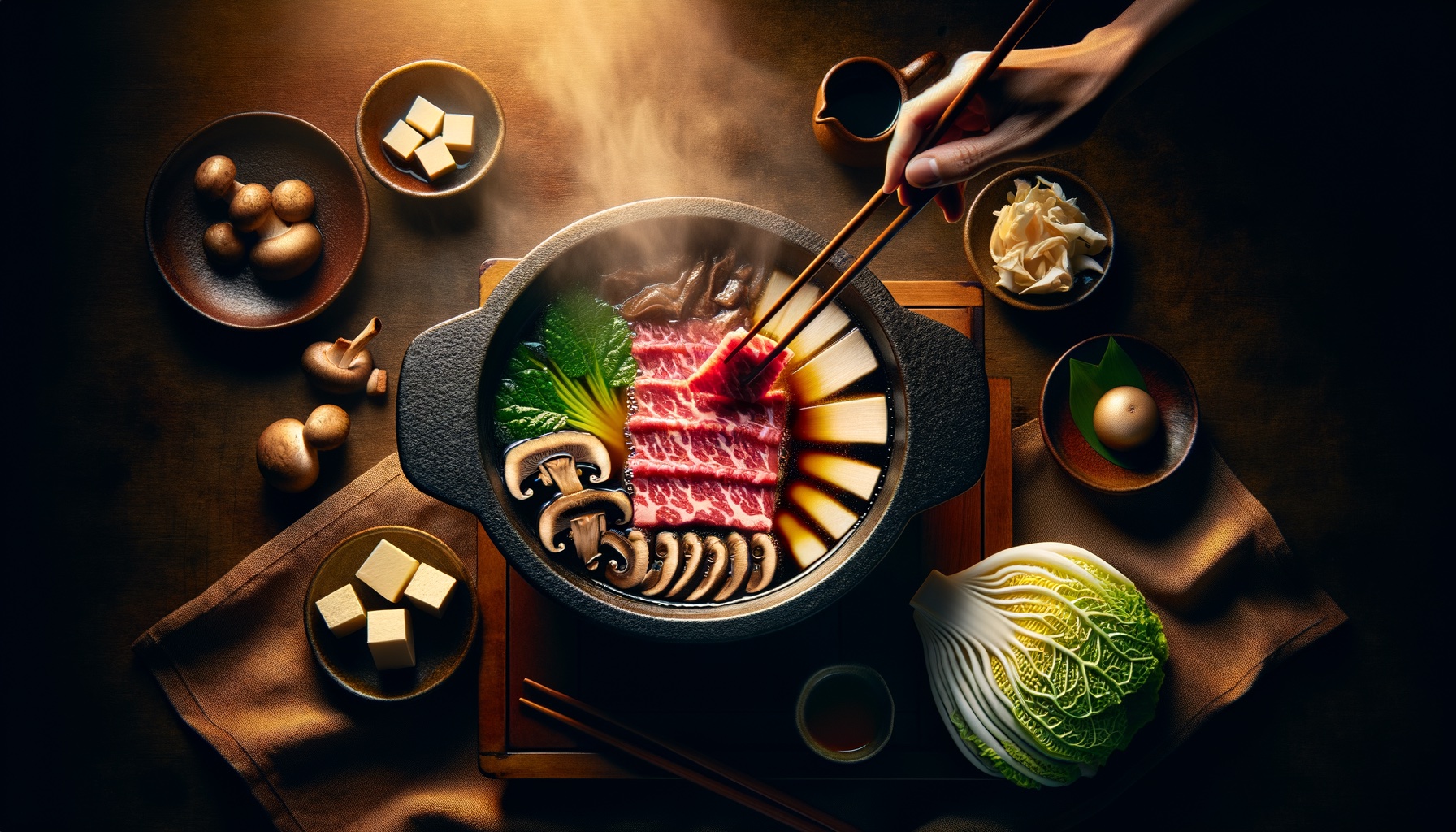
In Japan, sukiyaki is not just a dish — it is a celebration. For over 150 years, families have gathered around a shallow cast iron pot, layering paper-thin slices of marbled beef into a bubbling sweet soy broth, cooking and eating in a rhythm that turns dinner into ritual. When you use genuine wagyu beef, sukiyaki transforms into something extraordinary: each slice dissolves on the tongue, carrying the caramelized sweetness of the warishita sauce and the richness of intramuscular fat in perfect balance.
Yet most sukiyaki recipes written for Western audiences skip the details that actually matter. They gloss over which wagyu cut to choose, how thin the slicing must be, why the cooking order changes the flavor of every ingredient in the pot, and what separates a mediocre sukiyaki from one that makes guests fall silent with the first bite.
This guide covers every step from selecting and slicing the beef through building the sauce, choosing a proper pot, and mastering the tableside cooking technique that defines authentic sukiyaki.
Why Wagyu Elevates Sukiyaki
Sukiyaki was designed for marbled beef. The dish originated in the Meiji era when Japan's beef culture was young, and the sweet soy sauce was specifically formulated to complement the richness of well-marbled cuts. The thin slicing technique exists because marbled beef at 1.5mm thickness cooks in seconds and absorbs sauce instantly, creating a flavor concentration impossible with thicker cuts.
With standard beef, sukiyaki is pleasant. With wagyu — particularly anything BMS 6 or above — the experience shifts dramatically. The intramuscular fat renders into the warishita as the beef cooks, enriching the entire pot. Each subsequent ingredient absorbs not just sauce but wagyu-infused broth. By the middle of the meal, the tofu tastes like beef, the mushrooms carry wagyu richness, and the noodles added at the end soak up everything.
This compounding effect is why sukiyaki is considered one of the three great ways to eat wagyu in Japan, alongside yakiniku (grilled) and shabu shabu (swished in broth).
Choosing the Right Wagyu Cut
Not every wagyu cut works equally well for sukiyaki. The ideal cut needs three things: consistent marbling throughout (no lean pockets that turn tough when sliced thin), enough beefy flavor to stand up to the sweet sauce, and a price point that makes sense given how much beef sukiyaki requires.
Best Choices (Ranked)
Chuck roll (kata rosu) — The gold standard for sukiyaki in Japan. Chuck roll has beautifully distributed marbling, rich beefy flavor, and costs 30–40% less than ribeye. Japanese butchers sell more wagyu chuck roll for sukiyaki than any other cut. BMS 7–9 chuck roll delivers an exceptional sukiyaki experience.
Ribeye (rib rosu) — Maximum marbling and richness. A5 ribeye creates the most luxurious sukiyaki possible, with beef slices that practically dissolve on contact with the hot broth. The trade-off is cost — ribeye sukiyaki is a special occasion dish even in Japan.
Sirloin (saroin) — Leaner than chuck or ribeye but with a clean, concentrated beef flavor. Works best at BMS 8+ for sukiyaki. Sirloin gives the dish more structure — the slices hold together longer in the pot, which some diners prefer.
Brisket flat (tomobaraniku) — An underrated sukiyaki cut. Wagyu brisket flat has layered marbling that renders beautifully when sliced thin and cooked quickly. Significantly cheaper than premium cuts, making it excellent for larger gatherings.
Cuts to Avoid
Tenderloin (hire) — Too lean for sukiyaki, even in wagyu. The lack of intramuscular fat means it dries out in the sweet sauce and doesn't contribute richness to the pot.
Shank or round — Connective tissue and uneven marbling make these cuts unsuitable for paper-thin sukiyaki slicing. Save them for slow-cooked preparations.
How Much Wagyu Per Person
Plan for 150 to 200 grams (5–7 ounces) of wagyu per person for sukiyaki. This is less than you'd serve for yakiniku or steak because sukiyaki includes substantial vegetables, tofu, and noodles. The rich warishita sauce and wagyu fat make smaller portions deeply satisfying.
For a dinner party of four, 600 to 800 grams of wagyu is ideal. Buy slightly more than you think — the single worst outcome is running out of beef while the pot is still full of delicious broth and vegetables.
Slicing Technique: Paper-Thin Is Non-Negotiable
The single most important technical detail in sukiyaki is slice thickness. Target 1.5 to 2 millimeters — thin enough to see light through the beef. At this thickness, wagyu cooks in 10 to 15 seconds, absorbs sauce instantly, and achieves the signature melt-on-the-tongue texture.
Option 1: Ask Your Butcher
The easiest path. Any butcher with a commercial deli slicer can produce perfect sukiyaki slices. Ask for "sukiyaki-style" or "shabu shabu thin" — 1.5 to 2mm. Japanese and Korean butchers do this routinely. Many high-end wagyu suppliers sell pre-sliced sukiyaki portions.
Option 2: Semi-Frozen Home Slicing
Wrap the wagyu block tightly in plastic wrap and freeze for 30 to 45 minutes — until the exterior is firm but the interior is still slightly pliable. Use the sharpest knife you own (a long slicing knife or yanagiba works best). Slice against the grain in one smooth pull, never sawing. You won't match a machine's consistency, but 2–3mm slices are achievable with practice.
Never try to slice room-temperature wagyu thin. The high fat content makes it soft and pliable — the knife pushes through rather than cutting cleanly, producing ragged slices that cook unevenly.
Building the Warishita Sauce
Warishita is the soul of sukiyaki. This sweet soy-based cooking sauce defines the dish and varies by region, family, and personal taste. Here is a reliable foundation recipe that works beautifully with wagyu.
Classic Warishita (Serves 4)
- 200ml soy sauce (use Japanese koikuchi/dark soy sauce)
- 200ml mirin (hon-mirin, not mirin-style seasoning)
- 200ml sake
- 80g sugar (white or zarame/rock sugar for deeper caramel notes)
- 100ml water (optional — reduces intensity for milder palates)
Combine all ingredients in a saucepan over medium heat. Stir until sugar dissolves completely. Bring to a gentle boil, then remove from heat. The sauce keeps refrigerated for two weeks.
Regional Variations
Kanto-style (Tokyo) — Warishita is pre-mixed and added to the pot before cooking begins. This is the most common style outside Japan and produces consistent seasoning throughout the meal.
Kansai-style (Osaka/Kyoto) — No pre-mixed sauce. Beef is seared first in beef fat or suet, then sugar is sprinkled directly on the beef, followed by soy sauce. This creates a more caramelized, intense flavor. Kansai-style is considered more traditional and produces the best crust on the beef, but requires more attention and skill at the table.
For wagyu sukiyaki, Kansai-style is revelatory. Searing the marbled beef directly, then building the sauce on top of it, creates layers of Maillard reaction complexity that pre-mixed warishita cannot match. If you're comfortable cooking at the table, try it.
The Complete Ingredient Setup (Serves 4)
Sukiyaki is as much about the vegetables, tofu, and noodles as the beef. Prepare everything before you start cooking — sukiyaki moves fast once the pot is hot.
Proteins
- 600–800g wagyu beef, sliced 1.5–2mm thin
- 1 block firm tofu (momen-dofu), cut into 2cm cubes — grilled or pan-seared briefly for better texture
- 4 large eggs, each cracked into individual small bowls for dipping
Vegetables and Aromatics
- 1 bunch negi (Japanese long onion) or 4 large scallions, cut into 4cm diagonal pieces
- 200g napa cabbage (hakusai), cut into bite-sized pieces
- 6–8 fresh shiitake mushrooms, stems removed, caps scored with a decorative cross
- 1 pack enoki mushrooms (200g), root end trimmed
- 1 bunch shungiku (chrysanthemum greens) or spinach, trimmed
Starches (Added Near the End)
- 1 pack shirataki noodles (konnyaku noodles), rinsed and briefly parboiled
- Cooked udon noodles (optional — added to the pot after most ingredients are eaten to absorb remaining broth)
- Steamed Japanese short-grain rice for serving alongside
Important Note on Shirataki and Beef
Never place shirataki noodles directly next to the beef in the pot. The calcium in konnyaku (the base of shirataki) reacts with beef proteins and toughens the meat. Keep them on opposite sides of the pot — this is a fundamental sukiyaki rule in Japan that most Western recipes ignore.
Choosing the Right Pot
Traditional sukiyaki uses a shallow cast iron pot called a sukiyaki-nabe. The wide, flat shape is essential — sukiyaki is not a deep braise but a shallow cook where ingredients sit partly exposed, developing caramelized edges while simmering in sauce.
A 26–28cm cast iron skillet works as a substitute. Lodge makes excellent, affordable options. Avoid stainless steel (uneven caramelization), nonstick (can't handle the high heat), and deep pots (wrong cooking dynamic).
If you invest in one piece of equipment, buy a proper sukiyaki-nabe. They're inexpensive ($30–$60), last a lifetime, and the shallow design genuinely changes how the dish cooks.
Cooking Technique: Step by Step
Kanto Method (Easier, Recommended for Beginners)
Step 1: Heat the nabe over a tabletop gas burner (or start on the stove and transfer). Rub the hot surface with a small piece of beef fat or suet — just enough to coat the bottom.
Step 2: Add 2–3 slices of wagyu and sear for 10 seconds per side. Remove and set aside — these first slices are the cook's treat, eaten immediately.
Step 3: Pour in enough warishita to cover the bottom of the pot by about 1.5cm. Bring to a simmer.
Step 4: Arrange ingredients in the pot by cooking time. Place negi, napa cabbage stems, and shiitake in first (they take longest). Add tofu and shirataki noodles (on opposite sides of the pot from where you'll cook the beef).
Step 5: Lay 3–4 wagyu slices into the simmering sauce. Cook for 15–20 seconds — the moment the pink disappears and edges curl slightly, it's done. Overcooking wagyu sukiyaki by even 10 seconds turns silky beef chewy.
Step 6: Each diner picks up cooked ingredients with chopsticks, dips in beaten raw egg, and eats immediately. Replenish beef and vegetables as the pot empties. Add more warishita as needed to maintain the liquid level.
Step 7: Add delicate ingredients — enoki mushrooms, shungiku greens, napa cabbage leaves — in the second half of the meal. They wilt quickly.
Step 8: When most ingredients are gone, add udon noodles to the remaining broth. Let them simmer for 2–3 minutes, absorbing all the concentrated wagyu-enriched sauce. This final course — called shime — is often the best part of the meal.
Kansai Method (Traditional, More Rewarding)
Step 1: Heat the nabe. Rub with beef fat generously.
Step 2: Lay wagyu slices directly on the hot, fat-coated surface. Sear for 15 seconds until caramelized underneath.
Step 3: Sprinkle sugar directly onto the searing beef. Let it caramelize for 5 seconds.
Step 4: Add soy sauce over the sugared beef. The sizzle and steam are intense — this is where the magic happens. The beef is now coated in a caramel-soy crust.
Step 5: Add sake and mirin around the beef. The liquid deglazes the pot and creates the cooking sauce organically.
Step 6: Move the cooked beef to one side and begin adding vegetables, tofu, and noodles into the sauce that has formed. Continue layering beef, sugar, and soy sauce throughout the meal.
Kansai-style requires more attention but produces deeper, more complex flavors. The direct sugar caramelization on wagyu creates a smoky sweetness that pre-mixed warishita never achieves.
The Raw Egg Dipping Ritual
Each diner gets a small bowl with one beaten egg. When you pull a piece of searing-hot wagyu from the pot, you swirl it through the egg before eating. The residual heat partially cooks the egg into a silky custard that coats the beef, tempering the intensity of the sweet soy sauce and adding richness.
This is not optional in Japanese sukiyaki tradition — it is the defining textural element. Use the freshest eggs you can find. In Japan, tamago (eggs specifically marketed for raw consumption) are standard. In the US, pasteurized shell eggs provide equivalent safety.
If raw egg is not for you, the dish still works. The warishita sauce on its own is intensely flavorful. Some modern sukiyaki restaurants offer alternative dips — grated daikon with ponzu, or sesame sauce — for guests who prefer not to use raw egg.
Common Mistakes That Ruin Wagyu Sukiyaki
Overcooking the beef. This is mistake number one. Wagyu sliced thin for sukiyaki needs 10 to 20 seconds in simmering sauce. The moment it loses its pink color, pull it. Leaving it even 30 seconds too long turns butter-soft wagyu into something chewy and unremarkable.
Adding too much sauce. Sukiyaki is a shallow cook, not a soup. The liquid should never cover the ingredients completely. You want the tops of the vegetables and tofu exposed, developing caramelized edges from the steam and direct heat.
Placing shirataki next to beef. The calcium hydroxide in konnyaku toughens beef proteins on contact. Always keep them separated in the pot.
Using the wrong tofu. Silken tofu disintegrates in the pot. Use firm tofu (momen-dofu) and ideally grill or pan-sear it briefly before adding. The seared surface holds up to simmering and develops a pleasant contrast between crispy exterior and creamy interior.
Cooking everything at once. Sukiyaki is meant to be cooked and eaten in waves. Add a few ingredients at a time, eat them, then add more. This keeps everything at its optimal doneness and maintains the ritual, communal rhythm of the meal.
Skipping the shime (closing course). The broth at the bottom of a finished sukiyaki pot is liquid gold — concentrated wagyu fat, caramelized soy, and vegetable essences. Adding udon noodles or pouring it over rice captures every drop of flavor. Never waste the shime.
Suggested Wagyu Grade for Sukiyaki
You do not need A5 wagyu for exceptional sukiyaki. The sweet soy sauce and communal cooking format mean that A3 to A4 wagyu (BMS 5–8) often delivers the best overall experience. The marbling is high enough for melt-in-your-mouth texture, but the beefier flavor of slightly lower grades stands up better to the bold warishita.
A5 wagyu sukiyaki is transcendent — but the extreme richness can be overwhelming when you are eating slice after slice dipped in egg and sauce. For a longer, more comfortable meal, A4 is the sweet spot. Reserve A5 for small-portion courses or special occasions.
Australian wagyu in the BMS 6–9 range offers excellent sukiyaki quality at significantly lower cost than Japanese wagyu. American wagyu works well too, though marbling distribution tends to be less even, which matters more in paper-thin slices than in thick steaks.
Beverage Pairing
Sukiyaki's sweet, rich profile calls for beverages that refresh and cut through the richness.
Beer — A cold Japanese lager (Asahi Super Dry, Sapporo, Kirin Ichiban) is the classic pairing. The carbonation and bitterness cleanse the palate between bites of sweet, fatty beef.
Sake — A dry junmai or junmai ginjo served slightly chilled. Avoid sweet or fruity sakes that compete with the warishita. The clean rice flavor complements the soy-based sauce beautifully.
Whisky — Japanese whisky highballs (whisky and soda) have become a popular modern sukiyaki pairing. The carbonation and subtle smoke work similarly to beer but with more complexity.
Wine — If you prefer wine, choose an off-dry Riesling or Gewürztraminer. The slight sweetness echoes the warishita while the acidity cuts the wagyu fat. Avoid tannic reds — they clash with the sweet soy flavors.
Where to Source Wagyu for Sukiyaki
Several reputable online retailers sell wagyu specifically sliced for sukiyaki and shabu shabu. Look for pre-sliced packages labeled "sukiyaki-style" — these are machine-cut to the correct 1.5–2mm thickness and often flash-frozen for freshness.
Japanese wagyu importers like Crowd Cow, Holy Grail Steak Co., and The Wagyu Shop carry A5-grade sukiyaki cuts. For Australian wagyu alternatives, check Snake River Farms and First Light Farms. Many Japanese and Korean grocery stores (H Mart, Mitsuwa, Nijiya) carry pre-sliced wagyu for hot pot at competitive prices.
When buying in person, ask the butcher to slice chuck roll or ribeye on the thinnest deli slicer setting. Bring a reference photo of proper sukiyaki slicing thickness — many Western butchers underestimate how thin it should be.
Final Thought: The Ritual Matters
Sukiyaki is one of the few dishes where the cooking process is as important as the eating. Gathering around a simmering pot, layering beef into the bubbling sauce, watching it curl and color in seconds, dipping it through beaten egg — this is communal cooking at its most intimate.
When you use genuine wagyu beef, you're participating in a tradition that stretches back over a century in Japan. The marbled beef that makes sukiyaki extraordinary is the same beef that inspired the dish's creation. Every element — the thin slicing, the sweet sauce, the shallow iron pot, the raw egg — was designed specifically to showcase this kind of beef.
Make it once with proper technique and good wagyu, and you'll understand why sukiyaki holds a place of honor in Japanese cuisine that no other beef dish can claim.
Frequently Asked Questions
What cut of wagyu is best for sukiyaki?
Wagyu chuck roll (kata rosu) and ribeye (rib rosu) are the best cuts for sukiyaki. Chuck roll offers the ideal balance of marbling and beefy flavor at a more accessible price point. Ribeye delivers maximum richness. Sirloin works well too. The key is choosing a cut with even marbling distribution — BMS 6 or higher produces the melt-in-your-mouth texture sukiyaki is famous for.
How thin should wagyu be sliced for sukiyaki?
Wagyu for sukiyaki should be sliced 1.5 to 2 millimeters thin — about the thickness of a credit card. This is nearly impossible to achieve by hand, so either ask your butcher to slice it on a deli slicer or partially freeze the beef (30–45 minutes) and use the sharpest knife you own. Paper-thin slices cook in seconds and absorb the sweet soy broth beautifully.
What is warishita sauce?
Warishita is the sweet soy-based cooking sauce used in sukiyaki. The classic ratio is 1 part soy sauce, 1 part mirin, 1 part sake, and 1/2 part sugar. Some regions add dashi for depth. The sauce simmers in the pot and becomes the braising liquid for beef, vegetables, tofu, and noodles. Each household in Japan has their own warishita recipe — the balance of sweet to salty defines the dish.
Do you dip sukiyaki in raw egg?
Yes, traditionally each diner has a small bowl of beaten raw egg as a dipping sauce for cooked sukiyaki ingredients. The hot beef and vegetables partially cook the egg on contact, creating a silky, rich coating. In Japan, this is standard practice using fresh pasteurized eggs. If you're uncomfortable with raw egg, the dish is excellent without it — the warishita sauce provides plenty of flavor.
What is the difference between sukiyaki and shabu shabu?
Sukiyaki cooks beef in a sweet soy-based sauce (warishita) in a shallow iron pot, building layers of caramelized flavor. Shabu shabu swishes thin beef slices through a light kombu dashi broth, then dips in ponzu or sesame sauce. Sukiyaki is richer and sweeter; shabu shabu is lighter and emphasizes the pure beef flavor. Both showcase wagyu beautifully but deliver completely different eating experiences.
More Expert Guides
What Is Wagyu Beef? The Complete Guide to Grades, Origins & Quality
Discover wagyu beef origins, the difference between Japanese A5 and American wagyu, how BMS grading works, why marbling matters, proper cooking techniques, and what you should pay in 2026.
12 min readA5 Wagyu: Your Complete Buying & Authentication Guide (2026)
A5 wagyu represents the pinnacle of beef quality, but not all A5 is created equal. Learn how to authenticate real Japanese A5, decode BMS scores, find fair prices, and cook it perfectly at home.
14 min readA5 Wagyu Prefectures: Regional Guide to Japan's Best Beef
Discover the regional differences in Japanese A5 wagyu across 12 key prefectures. Learn which prefecture produces the flavor profile you'll love most.