Is Wagyu Worth It? A Honest Cost-to-Experience Breakdown
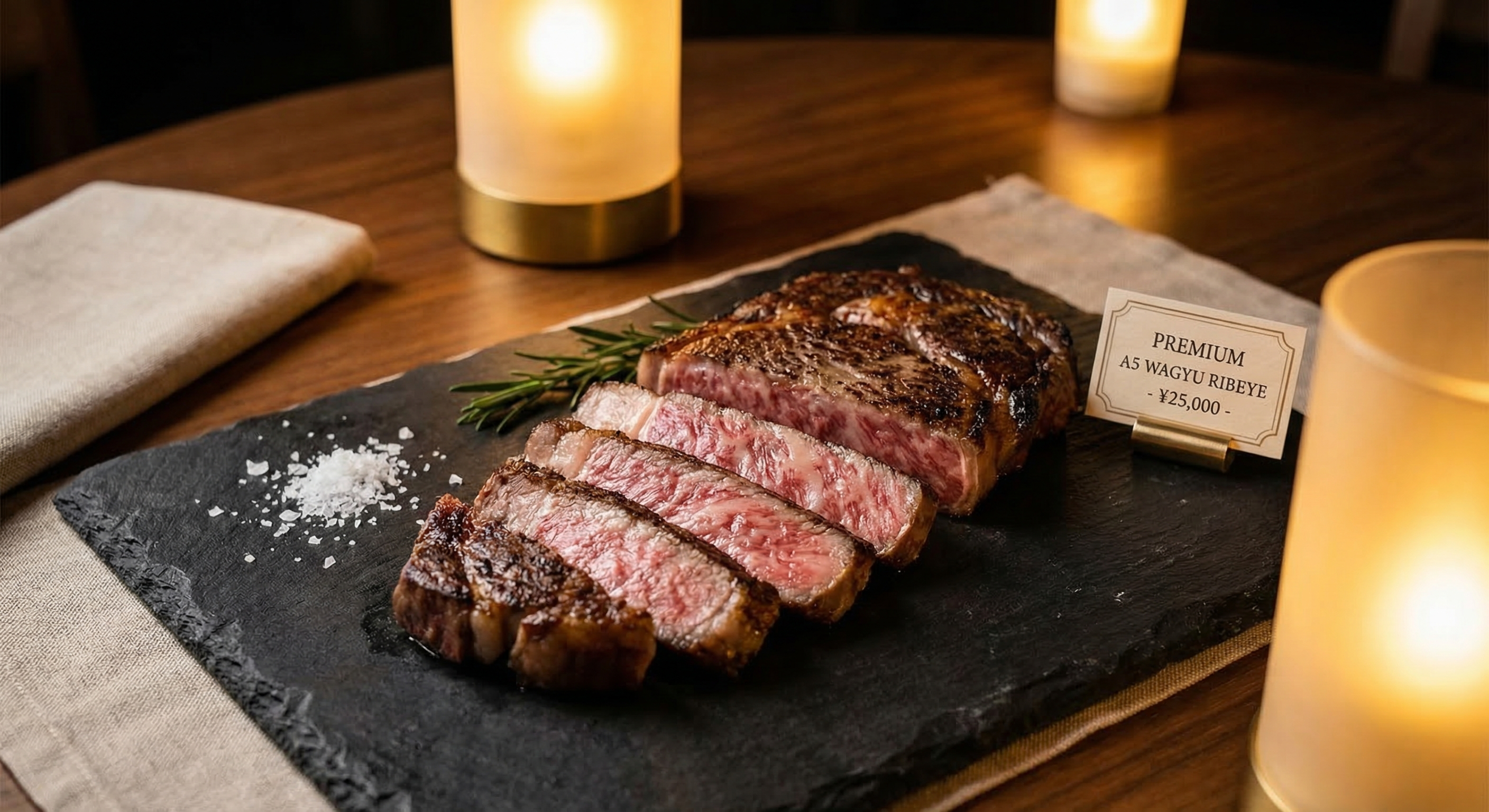
It's the question I hear more than any other: is wagyu really worth the price? When you're looking at $80-150 per pound for Japanese A5 wagyu — or $30-60 for American wagyu — compared to $15-25 for USDA Prime, the sticker shock is real. And it's a fair question.
After two decades sourcing, grading, and eating wagyu from every major producing country, my honest answer is: it depends entirely on what you're comparing and what you value. Wagyu isn't universally "better" than other premium beef — it's a fundamentally different product. This guide will help you figure out whether that difference is worth your money.
What You're Actually Paying For
Before deciding if wagyu is worth it, you need to understand what drives the price. It's not just marketing hype — there are real biological and economic reasons wagyu costs what it does.
Genetics and Breeding
Authentic wagyu cattle — primarily Japanese Black (Kuroge Washu) — have been selectively bred for intramuscular fat deposition for over 200 years. The genetics behind wagyu cattle are carefully tracked through mandatory DNA registration in Japan. Every certified wagyu animal has a documented lineage going back generations.
This genetic precision means wagyu cattle produce meat with a fundamentally different fat composition than conventional breeds. Their intramuscular fat has a higher percentage of monounsaturated oleic acid — the same heart-healthy fat found in olive oil — which is why wagyu fat melts at a lower temperature and has that distinctive buttery sweetness.
Time and Feeding
Conventional beef cattle are typically raised for 18-22 months. Japanese wagyu cattle are raised for 28-36 months — nearly twice as long. That extended feeding period is essential for developing the deep intramuscular marbling that defines wagyu, but it also means roughly double the feed costs, veterinary care, and labor per animal.
In Japan, wagyu are fed carefully calibrated diets that shift through multiple phases — from grass to grain to high-energy finishing rations. Some prefectures have proprietary feeding programs (Miyazaki's olive-supplemented feed, for example) that further increase costs but produce distinctive flavor profiles.
Supply Economics
Japan produces roughly 450,000 wagyu cattle annually. That sounds like a lot until you compare it to the United States' 33 million head of cattle slaughtered per year. Japanese wagyu represents a tiny fraction of global beef supply, and only a small percentage of that is exported. Genuine scarcity drives genuine premiums.
American and Australian wagyu have larger herds, which is why they cost less — but even these programs produce far less volume than conventional beef operations.
The Taste Difference: Is It Real?
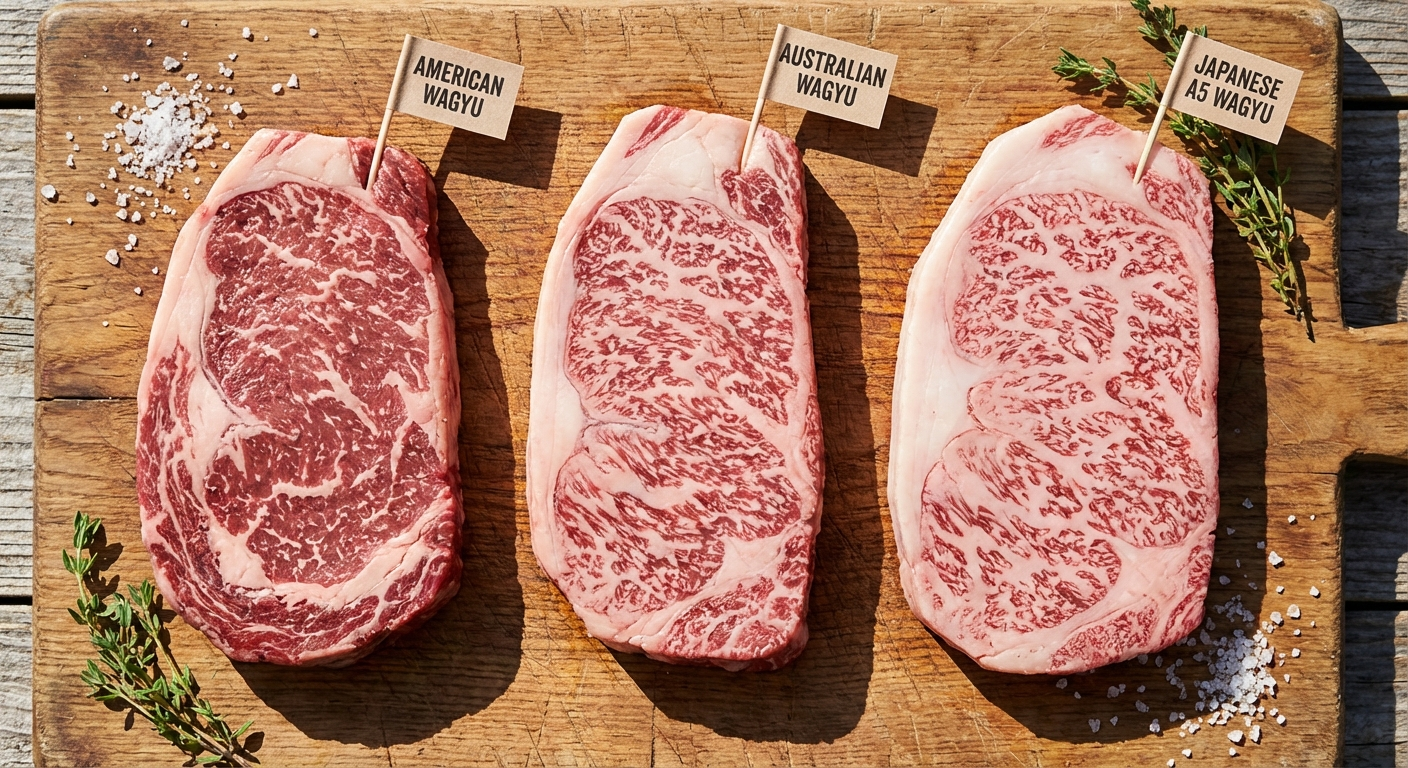
Yes, the taste difference is objectively real — and it's not subtle. Here's what changes as you move up the wagyu quality spectrum:
Texture
This is the most dramatic difference. High-grade wagyu (BMS 8+) doesn't chew like conventional steak. The intramuscular fat is so finely distributed that the meat essentially dissolves on your tongue. At BMS 10-12, eating A5 wagyu is closer to eating foie gras or premium toro than eating a steak. It's a genuinely unique texture that doesn't exist in any other food.
Even lower-grade wagyu (BMS 4-6) has noticeably more tender texture than USDA Prime, which typically scores BMS 2-3 on the Japanese scale.
Flavor
Wagyu fat has a distinctive sweetness and umami depth that conventional beef fat doesn't. This comes from the high oleic acid content and the unique fatty acid profile developed through genetics and extended feeding. The flavor is richer, more complex, and lingers longer on the palate.
At A5 levels, the beef flavor itself becomes secondary to the fat flavor — which is why many experienced wagyu eaters actually prefer A4 over A5 for a more balanced beefy-plus-buttery experience.
Aroma
When you sear wagyu, the kitchen fills with a distinctly sweet, nutty aroma that's markedly different from conventional beef. This is the oleic acid and other unsaturated fats vaporizing. Once you've smelled it, you'll recognize it instantly.
The Value Tiers: What Each Price Point Gets You
Not all wagyu is priced the same, and understanding the tiers helps you find the best value for your priorities.
Japanese A5 Wagyu ($80-200/lb)
This is the pinnacle. BMS 10-12, certified by the Japanese Meat Grading Association, with full traceability to a specific animal and prefecture. You're paying for the most intensely marbled, distinctive-tasting beef on earth.
Worth it when: You want a once-in-a-lifetime dining experience, you're celebrating a major occasion, or you're a serious food enthusiast who values the absolute peak of beef quality. Serve 3-4 oz portions — A5 is not meant to be eaten like a regular steak.
Not worth it when: You want a big, filling steak dinner. You're grilling at a backyard barbecue. You prefer bold beef flavor over buttery richness. You'd resent spending $100+ on something you eat in four bites.
Japanese A4 Wagyu ($50-120/lb)
The sweet spot for many wagyu lovers. BMS 6-8 delivers unmistakable wagyu character — the marbling, tenderness, and flavor are all clearly premium — but with more beef-forward balance. You can comfortably eat a 6-8 oz portion without hitting flavor fatigue.
Worth it when: You want the full wagyu experience with more versatility. Great for steak dinners, shabu shabu, or sukiyaki. Better value per satisfying portion than A5.
Australian Wagyu ($30-80/lb)
Australia produces excellent wagyu, primarily from crossbred herds with strong Japanese genetics. Marbling scores vary widely (BMS 4-9+), and the best Australian wagyu rivals Japanese A4. The broader range means you need to pay attention to the specific BMS score when buying.
Worth it when: You want wagyu-level tenderness and flavor at a more accessible price. Australian wagyu at BMS 6+ is genuinely excellent and represents strong value compared to Japanese imports.
American Wagyu ($25-60/lb)
Most American wagyu is crossbred — typically Japanese Black crossed with Angus. The result is a step above USDA Prime with more marbling and tenderness, but it's a different product than fullblood Japanese wagyu. BMS scores typically range from 4-7.
Worth it when: You want an upgrade from Prime without the Japanese price tag. American wagyu is outstanding for everyday premium cooking — steaks, burgers, roasts. It's the easiest wagyu tier to justify financially because the per-meal cost premium over Prime is modest.
The Math: Cost Per Memorable Meal
Here's where the "worth it" calculation gets interesting. Let's compare the actual cost of a satisfying dinner for two:
| Option | Price/lb | Portion for Two | Total Cost | Experience Level |
|---|---|---|---|---|
| USDA Prime Ribeye | $22 | 24 oz (12 oz each) | $33 | Excellent steakhouse quality |
| American Wagyu Ribeye | $45 | 20 oz (10 oz each) | $56 | Noticeably more tender/rich |
| Australian Wagyu BMS 7+ | $65 | 16 oz (8 oz each) | $65 | Clear wagyu character |
| Japanese A4 Ribeye | $90 | 12 oz (6 oz each) | $68 | Full wagyu experience |
| Japanese A5 Ribeye | $150 | 8 oz (4 oz each) | $75 | Peak beef experience |
Notice something? The gap narrows dramatically when you account for appropriate portion sizes. A5 wagyu costs roughly $75 for a dinner for two — that's comparable to a single entrée at a mid-range steakhouse, and you're eating the best beef on the planet in your own home.
Compare that to a steakhouse A5 wagyu experience, which typically runs $150-300+ for a small portion plus sides. Buying direct from a quality supplier like The Meatery and cooking at home delivers significantly better value.
When Wagyu Is Absolutely Worth It
Based on thousands of conversations with customers and my own experience, these are the situations where wagyu consistently delivers value that exceeds its price:
- Special occasions. Birthdays, anniversaries, promotions, holidays. The memorability-per-dollar of a great wagyu meal is hard to beat. People remember these meals for years.
- Home date nights. For less than the cost of a nice restaurant dinner, you get a vastly superior product plus the intimacy of cooking together.
- When you genuinely care about food. If you can taste the difference between good and great — and that difference brings you joy — wagyu is a worthwhile investment in your own happiness.
- Gifts. Wagyu makes an exceptional gift because most people won't buy it for themselves. It's unique, consumable, and universally impressive.
- Learning experiences. If you've never tried real wagyu, the first time is absolutely worth the money just to calibrate your palate. You can't form an opinion on something you haven't tasted.
When Wagyu Isn't Worth It
Honesty matters here. These are the situations where wagyu is a poor value proposition:
- Backyard barbecues and large groups. You need volume, not per-ounce perfection. USDA Choice or Prime on a grill with good seasoning will make everyone happy at a fraction of the cost.
- Heavy marinades or heavily seasoned preparations. If you're smothering meat in teriyaki sauce or aggressive spice rubs, you're masking exactly the qualities that justify wagyu's price. Use cheaper cuts for bold preparations.
- Well-done cooking. Cooking wagyu past medium renders out the very intramuscular fat you're paying a premium for. At well-done, the textural difference between wagyu and Prime shrinks significantly.
- Budget stress. No steak is worth financial anxiety. If buying wagyu means skipping other things you need, it's not the right time. Wagyu is a luxury — it should feel like a treat, not a sacrifice.
- Wagyu-labeled products with no grade or origin. "Wagyu" burgers, hot dogs, or unmarked steaks at vague prices are often low-quality crossbred products trading on the name. Without a BMS score and clear origin, you're paying a premium for marketing, not quality.
How to Avoid Overpaying
The wagyu market has its share of overcharging and misleading labels. Here's how to get genuine value:
Know What You're Buying
Always look for specific grading information. Japanese wagyu should have a JMGA grade (A4 or A5) and ideally a BMS score. Australian and American wagyu should list their marble score or BMS equivalent. If a seller just says "wagyu" with no grade, be skeptical.
Buy Appropriate Cuts
For A5 wagyu, you don't need a ribeye. A5 zabuton (chuck flap) or picanha deliver an incredible A5 experience at significantly lower prices per pound than premium loin cuts. The marbling is so intense at A5 that even "lesser" cuts are extraordinary.
Buy Direct
Online specialty retailers like The Meatery typically offer better prices and more reliable sourcing than local butchers or grocery stores, which add significant markup for wagyu products. You also get detailed grading information and direct support.
Start with American Wagyu
If you've never tried wagyu, don't start with a $150/lb A5 ribeye. Begin with American wagyu to understand the basic quality upgrade, then explore Australian and Japanese options once you know what you like.
The Bottom Line
Is wagyu worth it? For people who value food experiences, who cook at home, and who understand what they're buying — absolutely yes. The cost-per-memorable-meal math works out better than most people expect, especially when you account for appropriate portion sizes and compare against restaurant dining costs.
But "worth it" is personal. If you're happy with a well-cooked USDA Prime steak and don't care about chasing peak beef experiences, that's a perfectly valid position. Prime beef is excellent. Wagyu is a different category — not necessarily better for everyone, but genuinely unique and, for the right person, worth every penny.
My recommendation: try it once. Buy a modest portion of A4 or A5 from a reputable source, cook it simply (here's how), and judge for yourself. That single experience will tell you everything you need to know about whether wagyu belongs in your regular rotation or your occasional-splurge category.
Frequently Asked Questions
Is wagyu beef worth the high price?
For food enthusiasts who value unique dining experiences, yes — especially when you account for smaller portion sizes. A dinner for two with Japanese A5 wagyu costs $65-80 when bought direct, comparable to a single restaurant entrée. The taste and texture difference from conventional beef is dramatic and scientifically measurable, not just marketing.
What is the cheapest way to try real wagyu?
Start with American wagyu ($25-60/lb) for an accessible upgrade over USDA Prime. For authentic Japanese wagyu, look for A5 zabuton or flat iron cuts instead of ribeye — they deliver the full A5 experience at lower per-pound prices. Buying direct from online specialty retailers also saves significantly over restaurant or butcher markup.
Is American wagyu as good as Japanese wagyu?
They are different products. American wagyu (typically Wagyu-Angus crosses, BMS 4-7) offers more marbling and tenderness than USDA Prime with stronger beef flavor. Japanese wagyu (BMS 6-12) has more intense marbling and a butterier, more delicate flavor. Neither is objectively better — it depends on whether you prefer beefy richness or melt-in-your-mouth butteriness.
How much wagyu do I need per person?
For Japanese A5 wagyu: 3-4 oz per person (it is extremely rich). For A4 Japanese wagyu: 5-7 oz per person. For American or Australian wagyu: 8-10 oz per person. The higher the marbling grade, the smaller the satisfying portion size, which significantly narrows the per-meal cost gap between wagyu and conventional premium beef.
Can you taste the difference between wagyu and regular steak?
Yes, and the difference is not subtle. Wagyu has a distinctly buttery, sweet flavor from its high oleic acid content, and the texture ranges from notably more tender (American wagyu) to literally dissolving on your tongue (Japanese A5). Even in blind taste tests, most people can immediately identify wagyu from conventional beef by texture alone.
More Expert Guides
Wagyu Zabuton: The Best-Kept Secret in Japanese Beef
Wagyu zabuton is the most undervalued cut in the A5 world — extraordinary marbling, melt-in-your-mouth texture, and a price tag that makes ribeye look like a bad deal. Here is why insiders buy it first.
13 min readHida Beef: The Complete Guide to Gifu Prefecture's Legendary Wagyu
Hida beef is one of Japan's most prestigious regional wagyu brands, raised in the mountain valleys of Gifu Prefecture. Often overshadowed by Kobe in Western markets, Hida-gyu is revered in Japan for its delicate sweetness and fine-grained marbling. Here's what makes it special.
12 min readA4 vs A5 Wagyu: The Complete Comparison Guide
A4 and A5 are both elite Japanese wagyu grades, but they deliver meaningfully different eating experiences. This guide breaks down exactly how they differ in marbling, flavor, texture, price, and when each grade is the better choice.