Wagyu Picanha: The Brazilian Cut That Transforms Japanese Beef
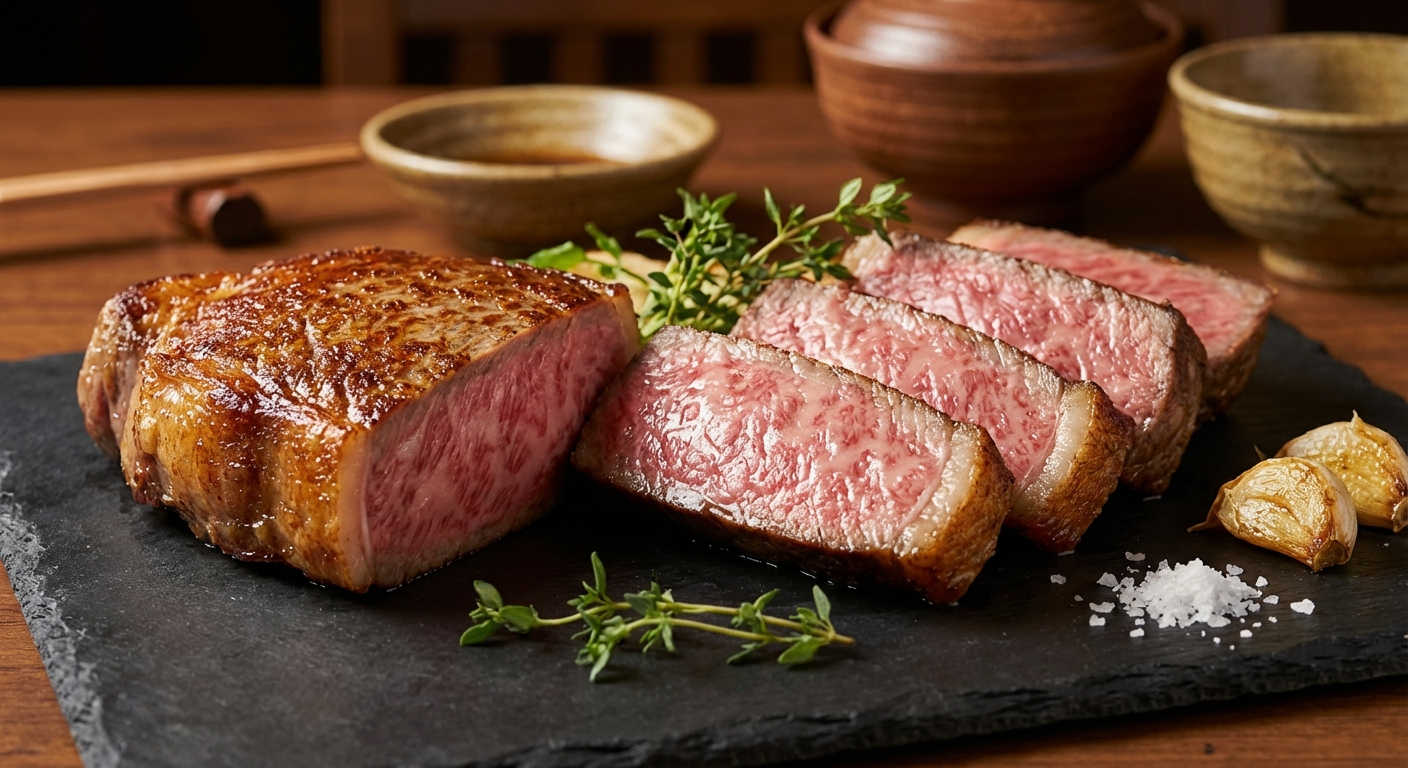
Picanha is the undisputed king of Brazilian churrasco — a thick, triangular cap of sirloin topped with a generous layer of fat that renders into the meat as it cooks. Now imagine that same cut from a wagyu animal, where the lean muscle itself is threaded with intramuscular fat that conventional beef can only dream about. That combination — the external fat cap of picanha plus the internal marbling of wagyu — creates one of the most complete steak experiences available anywhere.
In Japan, this cut is known as ichibo (イチボ), and it's a staple at high-end yakiniku restaurants. In Brazil, picanha is sliced thick, skewered, and roasted over charcoal. Both traditions understood something that American steak culture has been slow to discover: the rump cap is one of the most flavorful muscles on the animal.
What Is Picanha?
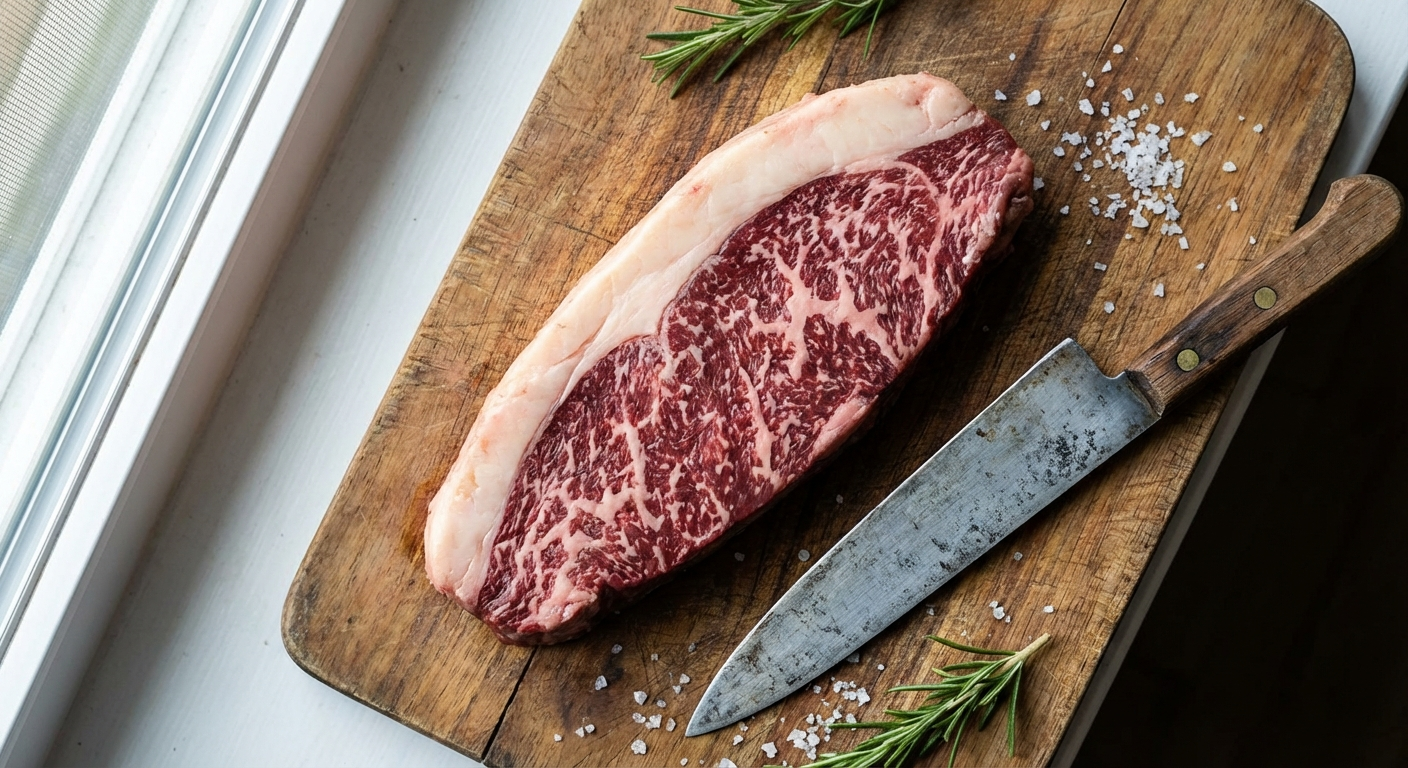
Picanha (pronounced pee-KAHN-yah) is the top sirloin cap, also called the coulotte or rump cap. It sits on top of the rump, covered by a thick layer of hard fat that butchers in the United States often trim off — much to the horror of anyone who knows what they're losing.
The muscle itself is the biceps femoris, part of the sirloin primal. It's a relatively tender cut that gets moderate exercise, which gives it more flavor than the tenderloin while remaining far more approachable than working muscles like flank or skirt.
What makes picanha special is the fat cap. This 1/4 to 1/2-inch layer of subcutaneous fat acts as a natural basting agent. During cooking, the fat renders and flows down through the meat, keeping it impossibly juicy. In wagyu picanha, this external rendering happens simultaneously with the internal marbling melting — creating a double layer of richness that no other cut delivers.
Picanha vs. Other Sirloin Cuts
The sirloin primal produces several cuts that are often confused:
- Picanha (top sirloin cap / coulotte): The cap muscle with fat layer. Triangular shape, 2-3 lbs whole. Most flavorful sirloin cut.
- Top sirloin: The larger muscle underneath the cap. Leaner, firmer, less flavorful. What most American restaurants call "sirloin steak."
- Tri-tip: From the bottom sirloin. Different muscle entirely, triangular but without the fat cap. Popular in California BBQ.
When you ask for picanha specifically, you're getting the premium cap — and in wagyu, it's one of the best-kept secrets in the cut hierarchy.
Why Wagyu Picanha Is Special
Most wagyu conversations focus on the loin cuts — ribeye, striploin, tenderloin. These are the headliners for good reason: they accumulate the densest marbling. But wagyu picanha offers something the loin cuts don't.
Flavor depth. The sirloin cap has a beefier, more minerally flavor profile than the relatively sweet, buttery loin. This is a cut with personality — a deeper, earthier umami that stands up to robust seasoning and high-heat cooking. When that intense flavor comes with wagyu-grade marbling, you get richness and character in the same bite.
The fat cap advantage. Loin cuts rely entirely on intramuscular marbling for moisture and flavor. Picanha has that marbling plus the external fat cap — it's effectively self-basting. This makes it significantly more forgiving to cook than a wagyu tenderloin or even a striploin.
Value. Wagyu picanha typically costs 30-50% less than wagyu ribeye at the same grade. For American wagyu, expect $35-$55/lb; for Japanese A5, $70-$110/lb. You're getting extraordinary eating quality at a price point well below the premium steaks.
Selecting Your Wagyu Picanha
Grade Selection
Unlike the loin cuts, where the difference between A5 and A4 is dramatic, picanha is excellent across a wider range of marbling scores. The fat cap compensates for lower intramuscular fat, meaning even moderate marbling produces an outstanding result.
- Japanese A5 (BMS 8-12): Extraordinary. The fat cap plus extreme marbling creates almost absurd richness. Best served in smaller portions, thin-sliced. $70-$110/lb.
- Japanese A4 (BMS 6-7): The sweet spot for this cut. Excellent marbling balanced by the beefy sirloin character. Full-portion friendly. $50-$80/lb.
- American Wagyu fullblood (BMS 7-9): Superb. The beefier flavor of American genetics pairs perfectly with the picanha's natural character. $40-$60/lb.
- American Wagyu F1 cross (BMS 4-6): A genuine upgrade over conventional beef with enhanced marbling and the fat cap doing heavy lifting. $25-$40/lb.
What to Look For
- Fat cap intact: This is non-negotiable. If the fat cap has been trimmed, you've lost the defining feature of the cut. The cap should be 1/4 to 1/2 inch thick, white to cream colored, and covering the entire top surface.
- Even marbling: Check the lean side for consistent fat distribution. The picanha should show visible marbling throughout, not concentrated in one area.
- Size: A whole picanha weighs 2-3 lbs. For steaks, 8-12 oz portions (including the fat cap) are ideal.
- Color: Bright cherry-red lean with white to cream fat. Avoid any gray discoloration or yellowed fat.
How to Cook Wagyu Picanha
There are three legitimate ways to cook picanha, and all of them work beautifully with wagyu. The right method depends on your equipment and the experience you want.
Method 1: Churrasco Style (Whole Roast)
The traditional Brazilian approach. This is how picanha was meant to be eaten, and it's spectacular with wagyu.
- Score the fat cap: Make shallow crosshatch cuts through the fat, about 1/2 inch apart, without cutting into the meat. This helps the fat render evenly and creates crispy edges.
- Season generously: Coarse sea salt — and plenty of it. Brazilian churrasco uses salt as the only seasoning. The thick crystals create pockets of salty crunch against the rich meat. For wagyu, this simplicity is perfect.
- Skewer or roast: If you have a rotisserie or churrasco skewers, curve the whole picanha into a C-shape (fat cap on the outside) and skewer through both ends. Otherwise, place fat-cap-up on a wire rack over a sheet pan.
- Cook over indirect heat: 325-350°F until internal temperature reaches 125°F (medium-rare) in the thickest part. This takes 25-35 minutes depending on size. The fat cap will render, baste the meat continuously, and develop a golden-brown crust.
- Rest 10 minutes: Then slice against the grain into 1/2-inch steaks. Each slice should have a strip of rendered fat cap on top.
Method 2: Reverse Sear (Individual Steaks)
The most precise method for wagyu picanha steaks.
- Cut into steaks: Slice the whole picanha across the grain into 1 to 1.5-inch thick steaks. Each steak should have the fat cap attached on one edge.
- Low oven first: Place steaks on a wire rack, fat-cap-up, in a 250°F oven. Cook until internal temperature reaches 115°F (about 20-25 minutes). This gently brings the interior to temperature without overcooking.
- Sear hot: Transfer to a screaming-hot cast iron skillet. Sear the fat cap side first — press it into the pan for 60-90 seconds until golden and crispy. Then sear the lean sides for 45-60 seconds each.
- Rest 5 minutes. The carryover heat brings the final temperature to 125-130°F.
Method 3: Cast Iron Sear (Quick and Simple)
For individual wagyu picanha steaks when you want dinner in 15 minutes.
- Cut into 3/4-inch steaks.
- Preheat cast iron over medium-high heat. No oil — the fat cap provides everything.
- Fat cap down first: Sear for 2 minutes, rendering and crisping the cap.
- Flip to lean sides: 90 seconds per side for medium-rare.
- Rest 3-5 minutes.
For A5 wagyu picanha, reduce cook times by about 30% — the extreme marbling means the interior comes to temperature faster, and you want to preserve as much of that intramuscular fat in-place as possible.
Serving Wagyu Picanha
Portion Sizes
Because picanha has the fat cap adding richness on top of the marbling, adjust your portions accordingly:
- Japanese A5: 4-5 oz per person (including fat cap)
- Japanese A4 / American fullblood: 6-8 oz per person
- American F1 cross: 8-10 oz per person
Slicing
Always slice against the grain. Wagyu picanha has a clear grain direction running lengthwise — cut perpendicular to it for maximum tenderness. Each slice should have a strip of the rendered fat cap attached, creating a layered bite of crispy fat and tender, marbled meat.
Accompaniments
Picanha's bold flavor can handle more accompaniment than delicate loin cuts:
- Chimichurri: The classic Argentine/Brazilian pairing. The herb-acid brightness cuts through the richness perfectly.
- Farofa: Toasted cassava flour. Traditional Brazilian side that adds crunch and absorbs rendered juices.
- Vinagrete: Brazilian salsa of diced tomatoes, onions, and bell peppers in vinegar. Clean and acidic.
- Steamed rice: Simple Japanese-style white rice. The neutral starch is a perfect canvas for the rich meat juices.
- Grilled pineapple: The enzyme and acidity in pineapple complement fatty meat beautifully.
Where to Find Wagyu Picanha
Wagyu picanha is less commonly stocked than ribeye or striploin, but availability is growing as more people discover this cut. Specialty online retailers like The Meatery carry both Japanese A5 and American Wagyu options — look for "sirloin cap," "coulotte," or "picanha" in the cut description. Make sure the listing specifies the fat cap is intact.
If you're buying from a local butcher, ask specifically for the top sirloin cap with the fat cap left on. Many American butchers default to trimming it — tell them you want it whole, Brazilian style.
Picanha in the Wagyu Value Hierarchy
If you're building a wagyu knowledge base, picanha sits in an interesting position. It's not the most marbled cut (that's the ribeye), not the most tender (that's the tenderloin), and not the cheapest (that's short ribs). What it is, is the most complete — the cut that balances flavor, tenderness, marbling, and the bonus of the fat cap into one package.
For anyone who has explored wagyu's greatest hits — ribeye, striploin, the shabu-shabu experience — picanha is the cut that expands your understanding of what wagyu can do. The Brazilian and Japanese approaches to this same muscle offer completely different (and equally valid) eating experiences. Try both. You won't regret either.
Frequently Asked Questions
What is wagyu picanha?
Wagyu picanha is the top sirloin cap (coulotte) from a wagyu animal, featuring a thick fat cap on one side and rich intramuscular marbling throughout the lean meat. The combination of external fat rendering and internal marbling makes it one of the juiciest, most flavorful wagyu cuts available.
How much does wagyu picanha cost?
Japanese A5 wagyu picanha costs $70-$110/lb, Japanese A4 runs $50-$80/lb, and American wagyu picanha is $25-$55/lb depending on genetics. It is typically 30-50% less expensive than wagyu ribeye at the same grade, making it an excellent value.
Should I trim the fat cap off wagyu picanha?
Never. The fat cap is the defining feature of picanha. It renders during cooking and bastes the meat from the outside, creating extraordinary juiciness. Score the fat cap in a crosshatch pattern to help it render evenly, but leave it fully intact.
How do you cook wagyu picanha?
Three methods work well: whole-roast churrasco style at 325-350°F to 125°F internal, reverse sear (low oven then hot cast iron), or direct cast iron sear for individual steaks. Always sear the fat cap side first to render and crisp it. Cook to medium-rare (125-130°F) for best results.
Is wagyu picanha better than wagyu ribeye?
They are different experiences. Ribeye has more intramuscular marbling and a buttery sweetness. Picanha has a deeper, beefier flavor plus the fat cap advantage. Picanha is also significantly less expensive. Many wagyu enthusiasts consider picanha the better overall value.
More Expert Guides
What Is Wagyu Beef? The Complete Guide to Grades, Origins & Quality
Discover wagyu beef origins, the difference between Japanese A5 and American wagyu, how BMS grading works, why marbling matters, proper cooking techniques, and what you should pay in 2026.
12 min readA5 Wagyu: Your Complete Buying & Authentication Guide (2026)
A5 wagyu represents the pinnacle of beef quality, but not all A5 is created equal. Learn how to authenticate real Japanese A5, decode BMS scores, find fair prices, and cook it perfectly at home.
14 min readA5 Wagyu Prefectures: Regional Guide to Japan's Best Beef
Discover the regional differences in Japanese A5 wagyu across 12 key prefectures. Learn which prefecture produces the flavor profile you'll love most.