Wagyu Cattle Breeding Explained: Genetics, Lineages & Programs
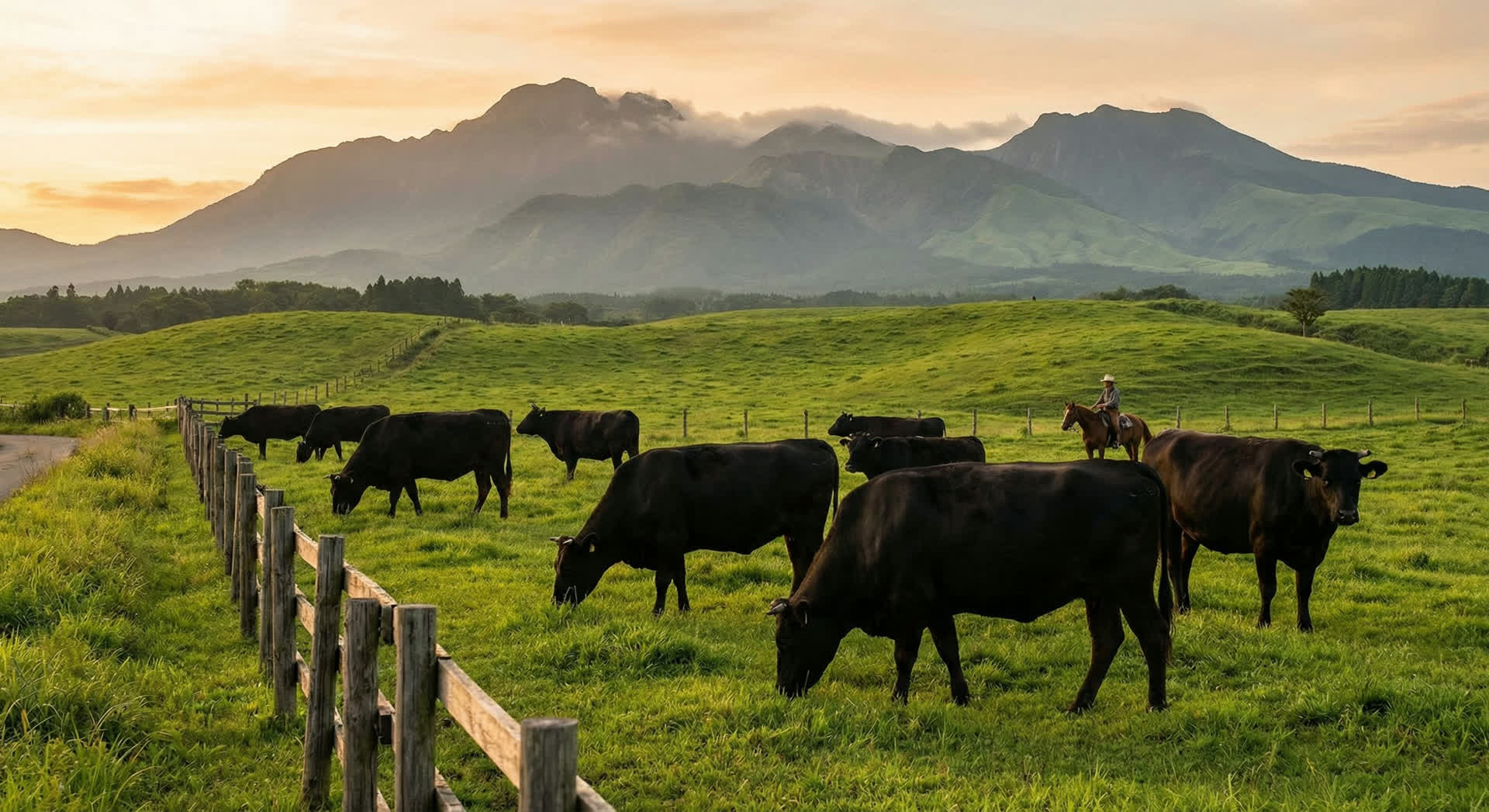
When it comes to wagyu cattle breeding explained in its truest form, we are discussing a centuries-old Japanese tradition that has evolved into a sophisticated science. As someone who has spent over three decades studying and working with wagyu genetics across Japan, Australia, and the United States, I can tell you that understanding wagyu breeding is essential to appreciating why this beef commands premium prices and delivers unparalleled eating experiences.
Wagyu cattle breeding is not simply about raising cattle. It is about preserving genetic excellence, maintaining bloodline purity, and carefully orchestrating genetic combinations that produce extraordinary marbling, tenderness, and flavor. The term "wagyu" literally translates to "Japanese cow," but the breeding science behind these animals represents one of the most sophisticated livestock genetics programs in the world.
The Four Foundational Genetic Lineages of Wagyu
At the heart of wagyu cattle breeding explained is understanding the four primary bloodlines that form the foundation of all modern wagyu genetics. These lineages were established in Japan through careful selection and breeding over hundreds of years, each contributing unique characteristics to meat quality and cattle temperament.
Tajima Bloodline
The Tajima bloodline is arguably the most celebrated wagyu genetic line, originating from Hyogo Prefecture and forming the exclusive genetic foundation of authentic Kobe beef. Tajima cattle are renowned for producing the highest levels of intramuscular fat (marbling) of any wagyu line, with many Tajima-dominant animals achieving BMS (Beef Marbling Standard) scores of 10-12.
What makes Tajima genetics particularly special is the fine distribution of marbling throughout the muscle tissue and the low melting point of the fat, which creates that distinctive melt-in-your-mouth texture. Tajima cattle tend to be smaller-framed with slower growth rates, which presents breeding challenges but results in superior meat quality. The genetic markers associated with Tajima lineage include specific variations in the SCD (stearoyl-CoA desaturase) gene that influences monounsaturated fatty acid content.
Fujiyoshi Bloodline
The Fujiyoshi line represents a balance between marbling excellence and structural soundness. Originating from Oita Prefecture, Fujiyoshi genetics produce cattle with larger frames, better feed efficiency, and strong maternal characteristics, making them popular in crossbreeding programs designed to improve herd productivity while maintaining meat quality.
Fujiyoshi cattle typically exhibit marbling scores in the BMS 7-10 range, which is exceptional by any standard though slightly lower than pure Tajima. However, Fujiyoshi animals grow faster, reach market weight earlier, and have fewer calving difficulties, making them economically attractive for commercial operations.
Kedaka Bloodline
The Kedaka line from Tottori Prefecture is prized for producing the largest-framed wagyu cattle with excellent meat yields and consistent marbling. Kedaka genetics emphasize carcass size and muscle development alongside marbling ability, making this bloodline particularly valuable for producers targeting premium markets that demand both quality and quantity.
Kedaka cattle can achieve finished weights 100-150 pounds heavier than Tajima animals while still producing BMS scores of 8-10. This combination of size and quality has made Kedaka genetics highly sought after in international breeding programs, particularly in Australia and North America where beef yields directly impact profitability.
Japanese Shorthorn Influence
The Japanese Polled (Mukaku Washu) cattle carry Shorthorn genetics introduced during the Meiji Era modernization period. While these cattle represent a smaller percentage of the wagyu gene pool, they contribute valuable traits including polledness (naturally hornless), disease resistance, and adaptability to varied climates.
Shorthorn-influenced wagyu tend to produce slightly leaner beef with BMS scores typically in the 6-8 range, but with excellent beef flavor and tenderness. These genetics are particularly valuable in crossbreeding programs aimed at creating adaptable, productive herds in challenging environments.
Fullblood vs Purebred: Understanding Genetic Classification
One of the most important concepts in wagyu cattle breeding explained is the distinction between Fullblood and Purebred classifications. This terminology is critical for buyers, breeders, and anyone evaluating wagyu genetics, as it directly impacts both breeding value and meat quality potential.
Fullblood Wagyu (100% Japanese Genetics)
Fullblood wagyu cattle possess 100% Japanese wagyu genetics with documented lineage tracing back to foundation animals imported directly from Japan. In the United States, Fullblood status is verified through DNA testing and registration with organizations like the American Wagyu Association. Only Fullblood animals can produce subsequent generations of Fullblood wagyu, making them the most valuable for serious breeding operations.
The genetic purity of Fullblood wagyu preserves the specific gene combinations responsible for extreme marbling, unique fatty acid profiles, and authentic wagyu beef characteristics. Fullblood breeding stock commands premium prices: breeding bulls can sell for $50,000-$200,000, while elite females may sell for $20,000-$80,000. The limited number of Fullblood animals outside Japan (fewer than 20,000 globally) creates scarcity that drives these valuations.
Purebred Wagyu (93.75%+ Japanese Genetics)
Purebred wagyu cattle possess at least 93.75% (15/16ths) Japanese wagyu genetics, typically achieved through four generations of crossing Fullblood wagyu bulls with F1 (50% wagyu) females. Purebred animals can be registered and marketed as "wagyu" and will produce high-quality marbled beef, though typically with slightly less consistency and intensity than Fullblood animals.
Purebred programs make genetic sense for commercial operations that need to balance meat quality with productivity traits like maternal ability, disease resistance, and environmental adaptability. A well-managed Purebred program using elite Fullblood bulls can produce beef consistently achieving BMS 7-9.
Percentage Wagyu (F1, F2, F3 Generations)
Crossbred wagyu at various percentage levels (F1 = 50%, F2 = 75%, F3 = 87.5%) represent intermediate steps in upgrading programs or intentional crosses designed to blend wagyu genetics with other breeds. F1 wagyu (typically wagyu bull crossed with Angus cow) are particularly popular in commercial operations, producing significantly more marbling than purebred Angus while maintaining hybrid vigor and lower production costs.
Global Wagyu Breeding Programs
Since the late 1990s, wagyu genetics have spread globally, with each major producing region developing distinctive breeding approaches based on local conditions, market demands, and genetic access.
Japanese Breeding Programs
Japanese wagyu breeding remains the gold standard, operated through prefecture-level genetics programs that maintain closed herdbooks and employ intensive progeny testing. Each prefecture maintains its own genetics program with specific bloodline emphasis. Hyogo focuses on Tajima purity for Kobe beef, Kagoshima blends multiple lines for their renowned Kagoshima wagyu, and Miyazaki emphasizes Kedaka genetics for their prize-winning beef.
Japanese breeders employ ET (embryo transfer) technology extensively, allowing elite genetics to be multiplied rapidly while maintaining genetic accuracy. Top proven sires may produce thousands of offspring through AI (artificial insemination), with semen from legendary bulls like Michifuku or Itoshigenami selling for $100-$300 per straw.
Australian Wagyu Industry
Australia operates the largest wagyu herd outside Japan (over 300,000 head) and has developed the most sophisticated international breeding program. Australian breeders have access to diverse Japanese bloodlines imported during the 1990s and have implemented genomic selection programs that identify superior genetics at the DNA level before animals reach breeding age.
American Wagyu Development
The American wagyu industry, though smaller than Australia, includes some of the world's most elite Fullblood genetics. American breeders have focused on preserving rare Japanese bloodlines and developing genetics specifically suited to grain-finishing systems. The intensive grain-feeding protocols common in American wagyu production (400-500 days on high-energy rations) produce extraordinary marbling.
Key Breeding Challenges in Wagyu Production
Calving Difficulties
Wagyu cattle, particularly Tajima-lineage animals, have smaller pelvic structures and often produce calves with larger birth weights relative to dam size, creating elevated calving difficulty rates. First-calf heifers may require calving assistance in 30-50% of births, compared to 10-15% for Angus.
Inbreeding and Genetic Diversity
The limited foundation genetics exported from Japan created severe genetic bottlenecks in international wagyu populations. Many Fullblood wagyu outside Japan trace to fewer than 200 foundation animals, and popular sire usage has resulted in average inbreeding coefficients of 12-18% in some populations.
Economic Pressures
Wagyu breeding programs require significantly longer production timelines and higher costs than conventional beef cattle. Animals are typically finished at 28-32 months (versus 16-18 months for conventional beef), with feed costs alone exceeding $2,000-$3,000 per animal.
Impact of Genetics on Meat Quality
Intramuscular Fat Deposition
Wagyu cattle possess genetic variations that fundamentally alter how and where they deposit fat. While conventional cattle deposit fat primarily in external and internal fat depots, wagyu genetics shift fat deposition toward intramuscular adipose tissue. This difference is controlled by multiple genes including SCD, SREBP1, FASN, and others that regulate fat cell development and lipid synthesis.
Fatty Acid Composition
Beyond marbling quantity, wagyu genetics influence fat quality through alterations in fatty acid profiles. Wagyu fat contains higher percentages of monounsaturated fatty acids (particularly oleic acid) and lower percentages of saturated fats compared to conventional beef. This composition creates the characteristic low melting point of wagyu fat (approximately 77 degrees Fahrenheit), which produces the melting sensation on the palate.
Tenderness and Flavor
Wagyu genetics influence meat tenderness through effects on muscle fiber structure, connective tissue composition, and proteolytic enzyme activity. Wagyu beef consistently tests in the top tenderness categories using Warner-Bratzler shear force measurements, with the extensive marbling physically separating muscle fiber bundles and creating a tender texture.
Modern Breeding Technologies
Genomic Selection
DNA testing now allows breeders to identify animals with superior genetic potential at birth. SNP (single nucleotide polymorphism) chips can analyze 50,000+ genetic markers and predict marbling scores, tenderness, feed efficiency, and other economically important traits with 60-80% accuracy.
Embryo Transfer and IVF
Elite wagyu females can now produce 20-40 offspring per year through ovum pick-up (OPU) and in vitro fertilization (IVF), compared to one calf per year through natural reproduction. This allows rare genetics to be multiplied rapidly and enables intensive selection pressure on female lines.
The Future of Wagyu Breeding
As we look ahead, wagyu breeding programs are incorporating even more sophisticated technologies and approaches. Gene editing technologies may eventually allow precise modification of genes controlling marbling, though regulatory and market acceptance questions remain. Climate adaptation is becoming a critical selection criterion, with breeders identifying genetics that maintain performance in heat-stressed environments.
Understanding wagyu cattle breeding explained in depth reveals not just an agricultural production system, but a living tradition that blends ancient Japanese livestock husbandry wisdom with cutting-edge genetic science. Whether you are a breeder, producer, or simply an enthusiast who appreciates extraordinary beef, recognizing the genetics, dedication, and expertise behind every wagyu steak deepens appreciation for this remarkable breed.
Frequently Asked Questions
What is the difference between Fullblood and Purebred wagyu?
Fullblood wagyu possesses 100% Japanese genetics with documented lineage tracing to foundation animals from Japan. Purebred wagyu contains at least 93.75% wagyu genetics, typically achieved through four generations of upgrading. Only Fullblood animals can produce subsequent Fullblood generations.
Which wagyu bloodline produces the best marbling?
The Tajima bloodline from Hyogo Prefecture produces the highest marbling levels, often achieving BMS scores of 10-12. Tajima genetics form the exclusive foundation of Kobe beef. However, Fujiyoshi and Kedaka lines also produce excellent marbling (BMS 7-10) with better growth rates.
Can wagyu cattle be raised outside of Japan?
Yes, wagyu cattle are successfully raised in Australia, the United States, Canada, and several other countries. Australia has the largest wagyu herd outside Japan with over 300,000 head.
How long does it take to produce wagyu beef?
Wagyu cattle are typically finished at 28-32 months of age, compared to 16-18 months for conventional beef cattle. This extended production timeline allows for the development of extensive marbling through prolonged grain feeding.
What makes wagyu genetics different from regular beef cattle?
Wagyu cattle possess genetic variations that alter fat deposition patterns, shifting fat storage from external depots into intramuscular marbling. Key genes like SCD, SREBP1, and FASN regulate fat cell development differently, producing fat with higher monounsaturated fatty acid content and lower melting point.
More Expert Guides
What Is Wagyu Beef? The Complete Guide to Grades, Origins & Quality
Discover wagyu beef origins, the difference between Japanese A5 and American wagyu, how BMS grading works, why marbling matters, proper cooking techniques, and what you should pay in 2026.
12 min readA5 Wagyu: Your Complete Buying & Authentication Guide (2026)
A5 wagyu represents the pinnacle of beef quality, but not all A5 is created equal. Learn how to authenticate real Japanese A5, decode BMS scores, find fair prices, and cook it perfectly at home.
14 min readA5 Wagyu Prefectures: Regional Guide to Japan's Best Beef
Discover the regional differences in Japanese A5 wagyu across 12 key prefectures. Learn which prefecture produces the flavor profile you'll love most.