How to Cook Wagyu at Home: Master Techniques from Japanese Tradition
How to Cook Wagyu at Home: Master Techniques from Japanese Tradition
Wagyu beef represents the pinnacle of marbling and tenderness in the beef world. Its unique fat composition—with a lower melting point than conventional beef—demands a different approach to cooking. As someone who has studied Japanese culinary traditions for decades, I've learned that cooking wagyu successfully is less about complexity and more about understanding the meat's exceptional qualities. In this guide, I'll share the precise techniques I use to prepare wagyu at home, whether you're searing it in a cast-iron pan or exploring modern methods like sous vide.
Understanding Wagyu Before You Cook It
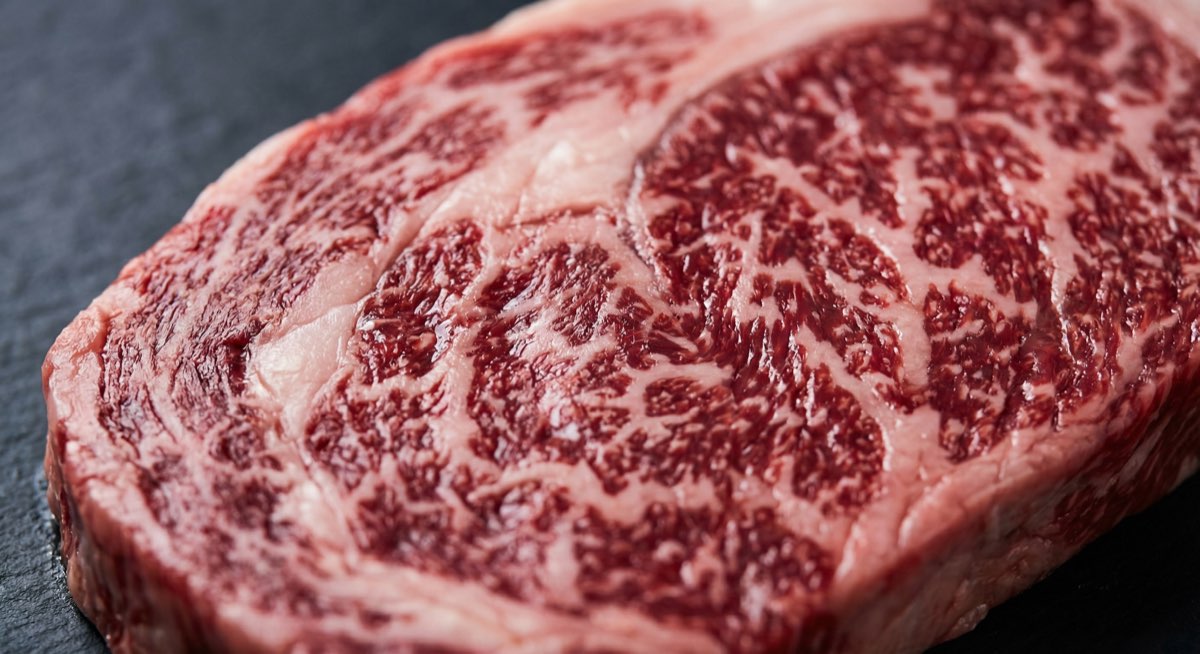
Before diving into cooking methods, it's essential to understand what makes wagyu different. The intramuscular fat—marbling—begins to render at approximately 77°F (25°C), significantly lower than grass-fed beef. This means wagyu reaches its optimal texture at medium-rare, and overcooking dramatically reduces its appeal. The fat carries flavor and moisture, so your cooking method should preserve these qualities rather than dry them out.
Whether you're working with Japanese A5 wagyu or American wagyu, the fundamental principles remain consistent. The difference lies in marbling intensity—A5 being the most heavily marbled—which affects cooking time and temperature precision.
Method 1: Pan-Searing Wagyu (The Japanese Foundation)
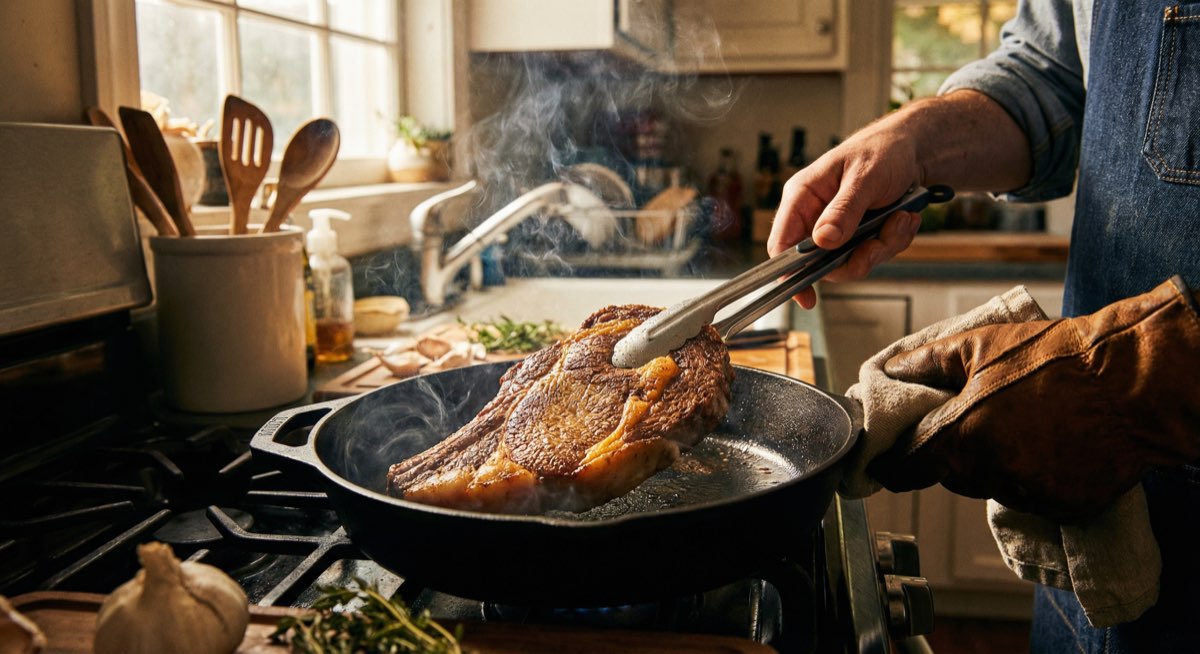
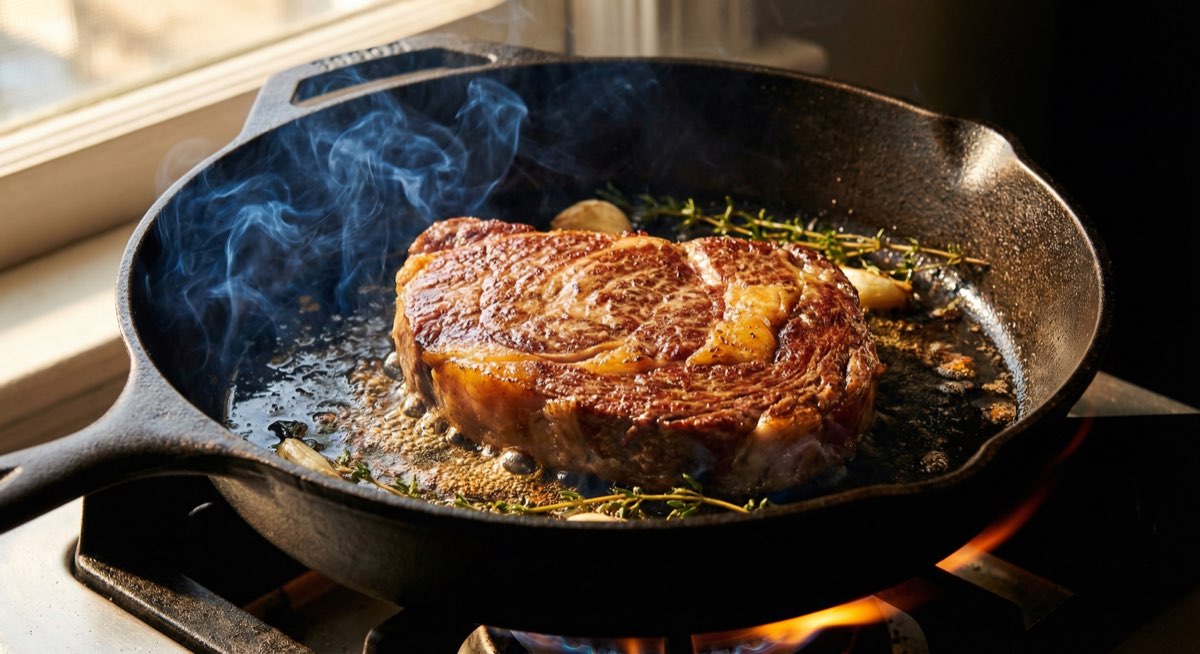
Pan-searing is the traditional Japanese method for preparing wagyu, and it remains my preferred technique for home cooks. This method allows you to develop a golden crust while maintaining the tender, buttery interior the meat is famous for.
Equipment & Preparation
- Pan choice: Cast iron or stainless steel, preferably 10-12 inches
- Temperature: Your pan should reach 400-450°F (200-230°C)
- Thickness: 1-1.5 inches is ideal for home cooking
- Preparation: Remove wagyu from refrigeration 30 minutes before cooking—this is non-negotiable for even cooking
Step-by-Step Pan-Searing Technique
- Pat dry: Use paper towels to remove surface moisture. Any dampness prevents proper browning and steam-cooks the exterior.
- Season minimally: Only kosher salt and freshly ground black pepper. Add these just before cooking—salt draws out moisture if applied too early.
- Preheat the pan: Heat over medium-high heat for 4-5 minutes. Test readiness by flicking water droplets on the surface; they should immediately bead and roll away.
- Optional fat: Add a small amount of high-smoke-point oil (avocado or grapeseed) or use the rendered fat from the wagyu itself.
- Sear one side: Place the steak in the pan without moving it. Sear for 3-4 minutes for a 1-inch steak. Resist the urge to move it—this breaks the crust.
- Flip once: Turn and sear the other side for 2-3 minutes.
- Check temperature: Use an instant-read thermometer inserted into the thickest part, aiming for the internal temperatures listed below.
- Rest the meat: Transfer to a warm plate and rest for 5-7 minutes. This allows the residual heat to carry the internal temperature up while the juices redistribute.
Temperature Guide for Pan-Seared Wagyu
- Rare: 120-125°F (49-52°C) internal temperature. At the table, the steak will continue cooking slightly.
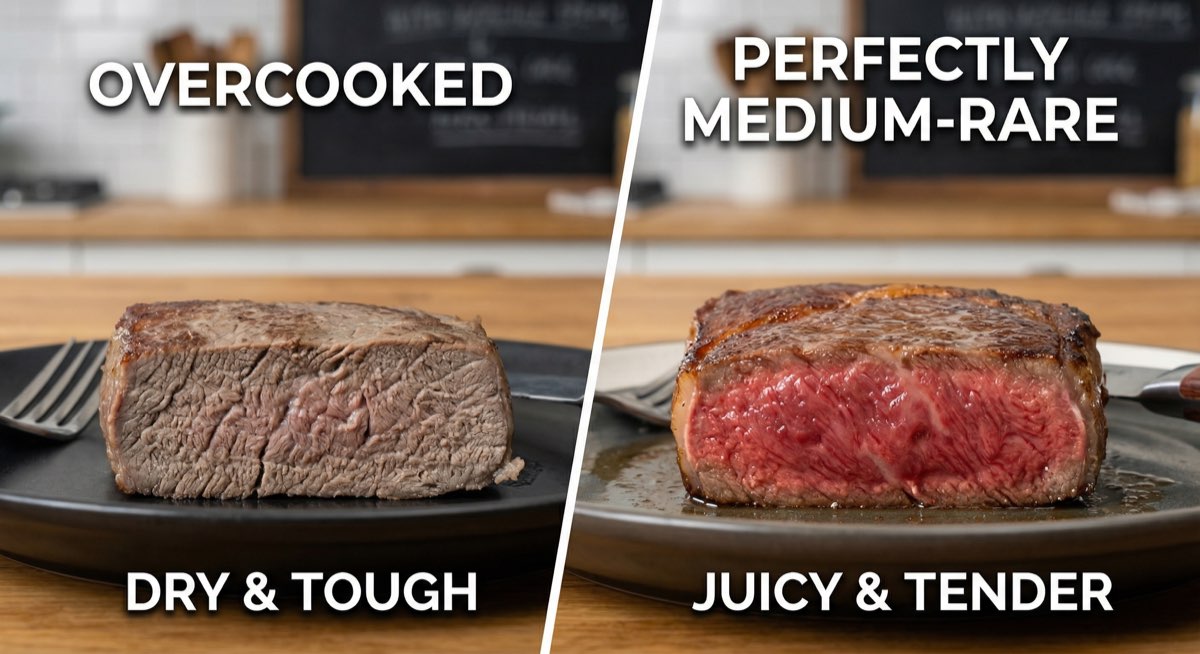
- Medium-Rare: 130-135°F (54-57°C) internal temperature. This is the sweet spot for wagyu—the fat is rendered enough to carry flavor, but the meat remains tender.
- Medium: 140-145°F (60-63°C) internal temperature. Acceptable for wagyu, though the fat composition means it won't dry out as quickly as conventional beef.
- Medium-Well and Beyond: Not recommended. The benefits of wagyu diminish at these temperatures.
Method 2: Grilling Wagyu (Modern Refinement)
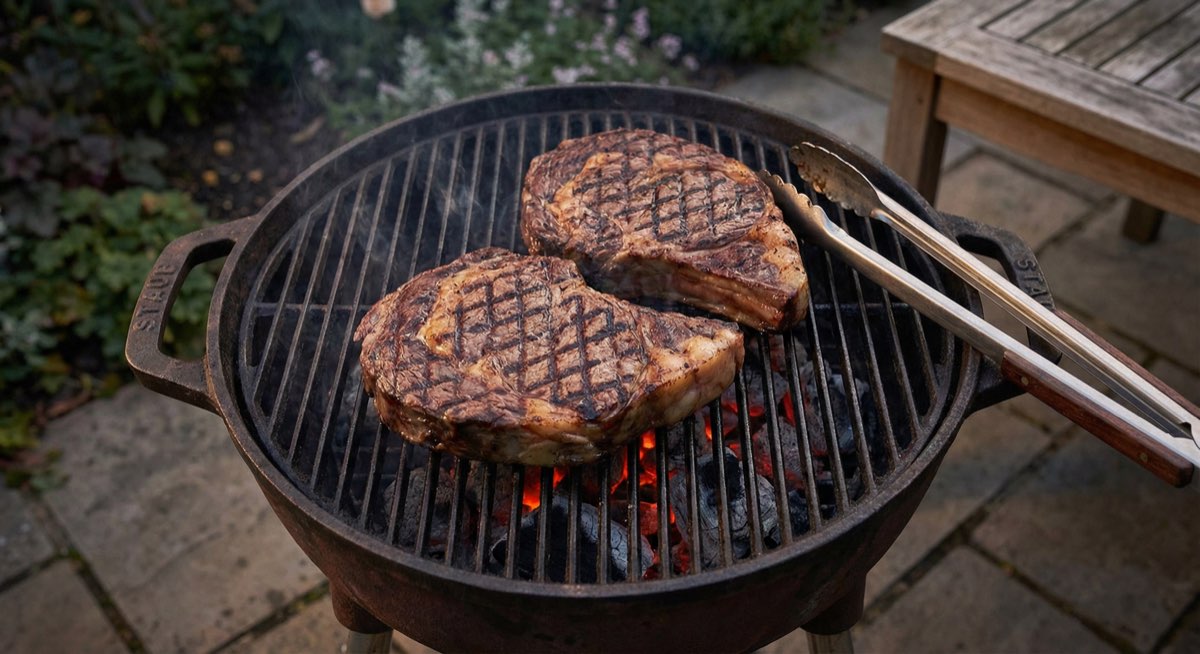
Grilling wagyu requires caution—the high fat content means flare-ups are common. However, when done correctly, grilling imparts a subtle smokiness that complements wagyu's richness beautifully.
Grilling Setup
- Two-zone heat: Create a hot zone (500°F / 260°C) and a cooler zone (350°F / 175°C)
- Grates: Clean and oil them thoroughly to prevent sticking
- Thermometer: Use a grill thermometer and an instant-read meat thermometer
Grilling Technique
- Prepare wagyu as you would for pan-searing: room temperature, pat dry, season lightly.
- Place steaks on the hot zone for 2-3 minutes per side to establish grill marks.
- Move to the cooler zone and close the lid, cooking for an additional 3-4 minutes.
- Check internal temperature frequently—wagyu's fat can cause exterior char while the interior undercooks.
- Rest for 5-7 minutes after removing from heat.
Preventing Flare-Ups
- Position steaks to the side of direct flame when possible
- Keep a spray bottle of water nearby to manage flare-ups (never spray the meat directly—this steams it)
- Trim excess exterior fat before grilling, but leave enough for flavor
Method 3: Sous Vide Wagyu (Precision Perfection)
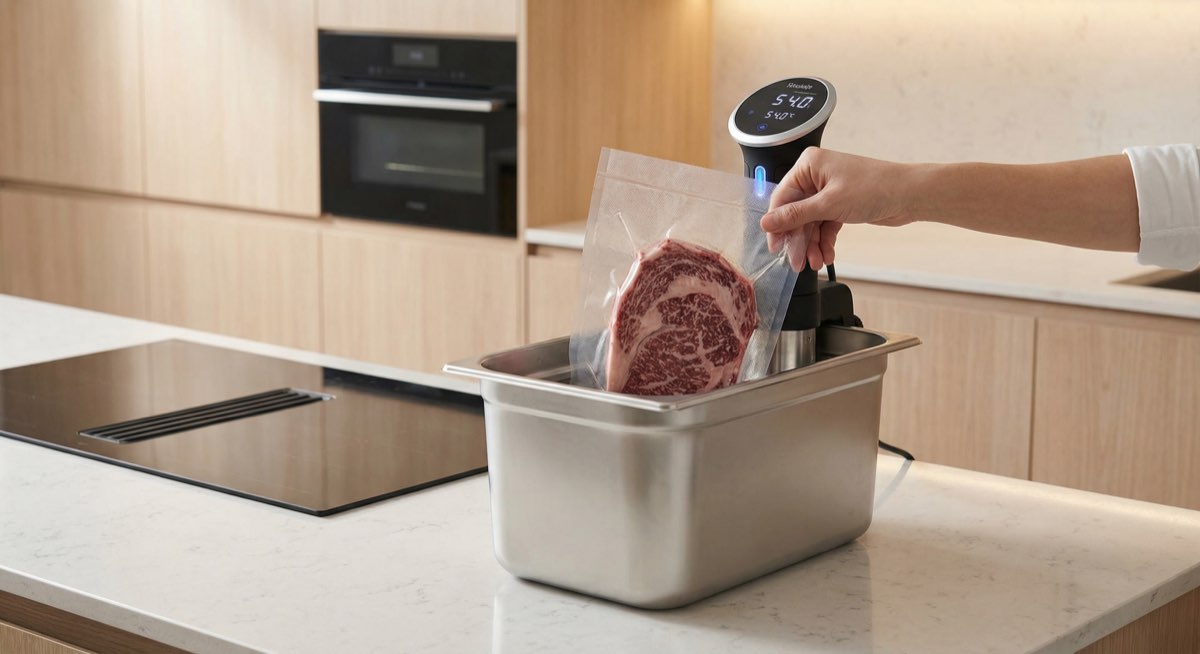
Sous vide—cooking vacuum-sealed food in a precisely controlled water bath—is perfect for wagyu. It guarantees edge-to-edge consistency and frees you from worrying about carryover cooking.
Sous Vide Process
- Vacuum-seal: Place seasoned steaks in a vacuum bag. Use minimal seasoning at this stage; you'll season again before the sear.
- Water bath temperature: Set your immersion circulator to 129°F (54°C) for medium-rare
- Cook time: 45 minutes to 2 hours. Longer times (within reason) don't harm the meat—the temperature is precisely controlled.
- Ice bath: Remove steaks from the bag and immediately place in an ice bath for 2 minutes to stop cooking.
- Pat and sear: Pat steaks completely dry. Sear in a screaming-hot pan for 60-90 seconds per side to develop a crust.
Why Sous Vide Works for Wagyu
- The precise temperature ensures the fat renders perfectly without overcooking the protein
- The moisture is sealed in, resulting in exceptional juiciness
- You can cook multiple steaks simultaneously without worrying about carryover
- It's ideal if you're dining at different times—sous vide steaks hold at temperature for hours
Temperature Guide for Sous Vide
- Rare: 120°F (49°C) for 45 minutes to 1 hour
- Medium-Rare: 129°F (54°C) for 45 minutes to 2 hours (my recommendation)
- Medium: 140°F (60°C) for 1-2 hours
Method 4: Teppanyaki-Style Wagyu (The Show and the Taste)
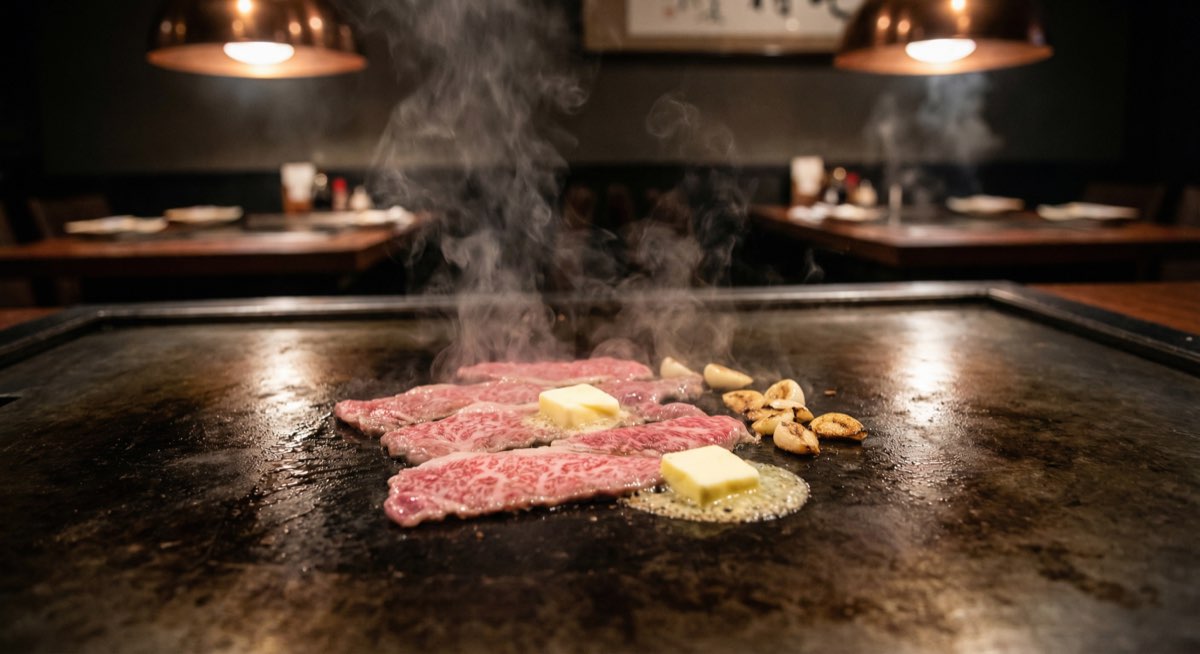
Teppanyaki—cooking on a flat iron griddle—is where wagyu cooking reaches theatrical perfection. If you have access to a flat-top griddle or large flat-bottomed pan, this method is exceptional for entertaining and showcasing the meat's quality.
Equipment
- Large flat griddle or cast-iron flat-top pan (at least 15 inches)
- Metal spatulas (two, for better control)
- Butter and clarified butter (or high-heat oil)
- Fresh garlic, onions, and mushrooms (optional, but traditional)
Teppanyaki Technique
- Preheat griddle: Medium-high heat, approximately 400°F (200°C)
- Butter base: Add clarified butter—approximately 1 tablespoon for a 6-ounce portion
- Arrange sides: If including vegetables, arrange diced garlic, onions, or mushrooms around the wagyu area
- Place wagyu: Position thin-sliced wagyu (approximately ¼-inch thick is ideal for teppanyaki) on the griddle
- Cook briefly: 30-45 seconds per side for thin slices. The speed is part of the appeal—wagyu cooks quickly.
- Optional garnish: Add a pinch of sea salt and a squeeze of fresh lemon just before serving
Why Teppanyaki for Wagyu?
- The thin slices maximize the surface-to-volume ratio, showcasing the marbling visually
- The quick cooking preserves the fat's delicate flavor
- The combination of butter, garlic, and vegetables creates an umami-rich experience
- The theatrical presentation elevates the dining experience
Common Mistakes When Cooking Wagyu at Home
Mistake 1: Overcooking the Meat
This is the most common error. Many home cooks treat wagyu like conventional beef, cooking it to medium or beyond. Wagyu's fat content means it reaches optimal tenderness and flavor at medium-rare. Beyond that, the fat becomes greasy rather than buttery, and the meat loses its tender texture. Solution: Invest in an instant-read thermometer and remove wagyu at 130-135°F (54-57°C) internal temperature.
Mistake 2: Using the Wrong Pan
A thin pan or one that doesn't heat evenly results in uneven browning and disappointing crust development. Non-stick pans, while convenient for everyday cooking, don't achieve the high temperatures needed for proper searing. Solution: Use cast iron or heavy-bottomed stainless steel. Preheat thoroughly for at least 4-5 minutes.
Mistake 3: Over-Seasoning or Under-Seasoning
Wagyu's delicate flavor profile can be overwhelmed by heavy spice blends. Conversely, underseasoning fails to highlight its natural umami. Solution: Use only kosher salt and freshly ground black pepper. Add other seasonings sparingly—perhaps a touch of garlic powder or smoked salt—but let the meat speak for itself.
Mistake 4: Skipping the Rest Period
Cutting into wagyu immediately after cooking causes juices to escape onto the plate rather than remaining in the meat. The interior also appears less cooked than it actually is. Solution: Rest wagyu for 5-7 minutes on a warm plate after cooking. This residual heat continues cooking the interior slightly while allowing the proteins to relax and retain moisture.
Mistake 5: Cooking from Cold
Cold meat cooks unevenly—the exterior overcooks while the interior remains undercooked. Solution: Remove wagyu from refrigeration 30 minutes before cooking. This simple step is one of the most impactful for consistent results.
Sourcing Quality Wagyu for Home Cooking
The quality of your finished dish depends entirely on the quality of your source meat. When purchasing wagyu for home cooking, consider these factors:
- Marbling grade: A5 Japanese wagyu has the highest marbling; American wagyu grades are typically Prime or Prime+. Both are excellent for home cooking.
- Cut selection: Ribeye, New York strip, and tenderloin are the best steaks for the cooking methods described in this guide.
- Thickness: Aim for 1 to 1.5 inches for optimal crust development and interior tenderness.
- Storage: Purchase from reputable suppliers like The Meatery's Japanese A5 wagyu collection or American wagyu selection, both of which prioritize quality and proper handling.
Wine and Beverage Pairings with Home-Cooked Wagyu
The richness and umami of wagyu demands specific beverage pairings. Japanese tradition suggests:
- Sake: Junmai Daiginjo or Honjozo sake complements wagyu's delicate flavors without overpowering them
- Red wine: Pinot Noir or Burgundy are excellent choices—their acidity cuts through the richness
- Whisky: Japanese whisky, particularly Yamazaki or Hibiki, is a traditional pairing
- Beer: Crisp lagers or pilsners provide refreshing contrast
Elevating Your Wagyu Experience: Finishing Techniques
After cooking, simple finishing touches can elevate your wagyu presentation:
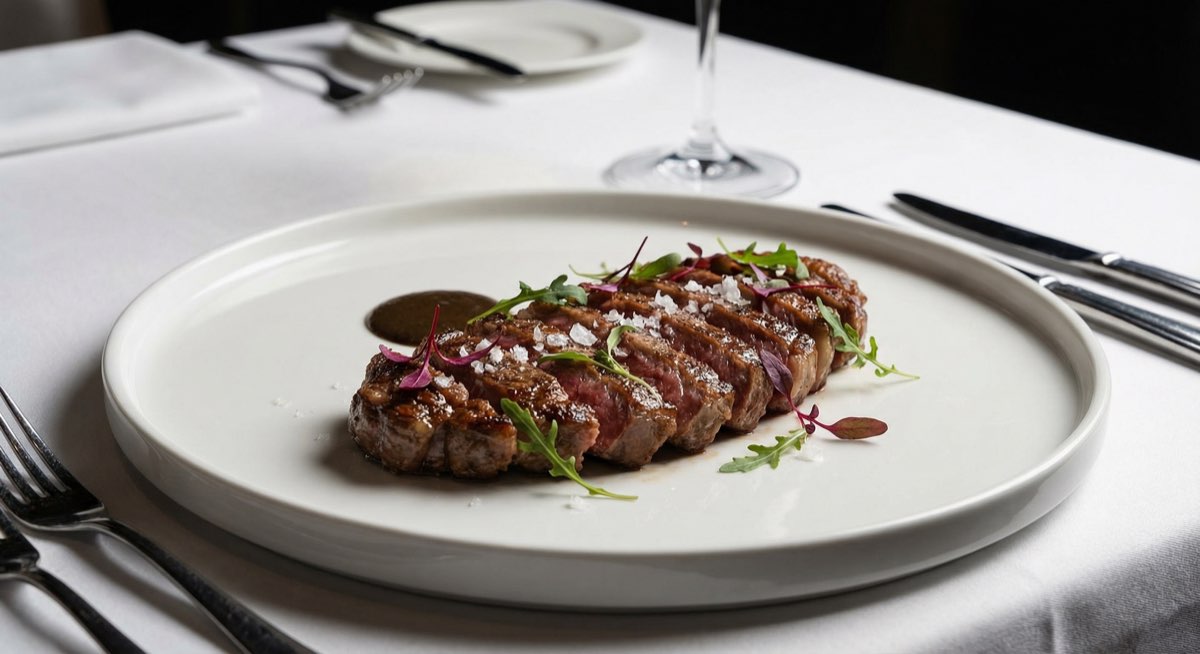
- Fleur de sel: A pinch of coarse sea salt added just after cooking enhances natural flavors
- Fresh wasabi: A small dollop on the side provides heat and cleansing properties
- Ponzu sauce: A light citrus-soy blend offers brightness
- Garlic butter: For pan-seared wagyu, finishing with a knob of butter and fresh garlic creates luxurious coating
- Microgreens or fresh herbs: Delicate accompaniments add visual appeal and subtle flavor contrast
Transitioning Between Methods: Building Your Wagyu Cooking Repertoire
Each cooking method offers distinct advantages. Here's how I recommend building your skills:
Start with pan-searing. It requires minimal equipment and teaches you to understand doneness by feel and temperature. Once comfortable here, you'll develop intuition for how wagyu should look and feel at each stage.
Progress to grilling. Grilling introduces variables like heat zones and flare-up management while building on your foundational searing knowledge.
Master sous vide. This method guarantees consistency and allows you to cook for gatherings without stress. It's where technique becomes relaxation.
Explore teppanyaki. This is the pinnacle of home wagyu cooking—it combines all previous skills with presentation and showmanship.
For deeper understanding of wagyu's origins and quality markers, explore our guide to Japanese wagyu grading or comparing A5 and American wagyu.
Frequently Asked Questions About Cooking Wagyu at Home
Can I cook wagyu from frozen?
While possible, frozen wagyu results in less even cooking. If you must cook from frozen, add 50% more time to your cooking duration and rely heavily on internal temperature guidance. Ideally, thaw wagyu in the refrigerator for 12-24 hours before cooking.
What's the difference between cooking a Japanese A5 wagyu steak versus American wagyu?
Japanese A5 wagyu has more marbling and renders fat at slightly lower temperatures. Cooking methods remain identical, but A5 reaches optimal doneness slightly faster. Temperature guides in this article apply to both. The primary difference is intensity of flavor—A5 is more intensely beefy and buttery.
Is it necessary to use butter for finishing wagyu?
Butter is traditional but not necessary. Wagyu renders its own fat during cooking, which is often sufficient. Butter is useful for flavor addition (especially with garlic) and for basting, but it's optional. If using butter, add it in the final 30 seconds of cooking to prevent burning.
How should I store leftover cooked wagyu?
Cool to room temperature, then refrigerate in an airtight container for up to 3 days. Reheat gently in a low oven (250°F / 120°C) until warmed through—avoid high heat, which will dry it out. Note that wagyu is best enjoyed fresh; reheating diminishes some of its textural appeal.
Can I cook wagyu in a slow cooker or braise it?
While technically possible, braising and slow cooking are not ideal for high-quality wagyu. These methods require moisture and lower temperatures that can result in texture loss and fat separation. Save premium wagyu for dry-heat cooking methods (pan-searing, grilling, sous vide, teppanyaki) and consider braising only lower-grade or fattier cuts.
Final Thoughts: Respecting the Craft
Cooking wagyu at home is a privilege. This meat represents generations of Japanese cattle breeding refinement and modern production excellence. The techniques I've shared are not complicated, but they require attention and intention. How to cook wagyu at home ultimately means honoring the meat by treating it with the precision it deserves.
Start with one method, master it, then expand your repertoire. The joy of wagyu cooking isn't in complexity—it's in simplicity elevated through understanding. A perfectly seared wagyu steak, seasoned only with salt and pepper, served at the precise moment of doneness, represents the epitome of culinary restraint and excellence.
Whether you're searing in a cast-iron pan, grilling for a gathering, or exploring sous vide consistency, the principles remain constant: quality ingredients, proper temperature management, appropriate rest time, and minimal interference. These fundamentals, rooted in Japanese culinary tradition and refined through modern technique, will transform your home cooking into something truly exceptional.
Frequently Asked Questions
Can I cook wagyu from frozen?
While possible, frozen wagyu results in less even cooking. If you must cook from frozen, add 50% more time to your cooking duration and rely heavily on internal temperature guidance. Ideally, thaw wagyu in the refrigerator for 12-24 hours before cooking.
What's the difference between cooking a Japanese A5 wagyu steak versus American wagyu?
Japanese A5 wagyu has more marbling and renders fat at slightly lower temperatures. Cooking methods remain identical, but A5 reaches optimal doneness slightly faster. Temperature guides apply to both. The primary difference is intensity of flavor—A5 is more intensely beefy and buttery.
Is it necessary to use butter for finishing wagyu?
Butter is traditional but not necessary. Wagyu renders its own fat during cooking, which is often sufficient. Butter is useful for flavor addition (especially with garlic) and for basting, but it's optional. If using butter, add it in the final 30 seconds of cooking to prevent burning.
How should I store leftover cooked wagyu?
Cool to room temperature, then refrigerate in an airtight container for up to 3 days. Reheat gently in a low oven (250°F / 120°C) until warmed through—avoid high heat, which will dry it out. Note that wagyu is best enjoyed fresh; reheating diminishes some of its textural appeal.
Can I cook wagyu in a slow cooker or braise it?
While technically possible, braising and slow cooking are not ideal for high-quality wagyu. These methods require moisture and lower temperatures that can result in texture loss and fat separation. Save premium wagyu for dry-heat cooking methods (pan-searing, grilling, sous vide, teppanyaki).
More Expert Guides
What Is Wagyu Beef? The Complete Guide to Grades, Origins & Quality
Discover wagyu beef origins, the difference between Japanese A5 and American wagyu, how BMS grading works, why marbling matters, proper cooking techniques, and what you should pay in 2026.
12 min readA5 Wagyu: Your Complete Buying & Authentication Guide (2026)
A5 wagyu represents the pinnacle of beef quality, but not all A5 is created equal. Learn how to authenticate real Japanese A5, decode BMS scores, find fair prices, and cook it perfectly at home.
14 min readA5 Wagyu Prefectures: Regional Guide to Japan's Best Beef
Discover the regional differences in Japanese A5 wagyu across 12 key prefectures. Learn which prefecture produces the flavor profile you'll love most.