Wagyu Tallow: How to Render, Use, and Store Wagyu Beef Fat
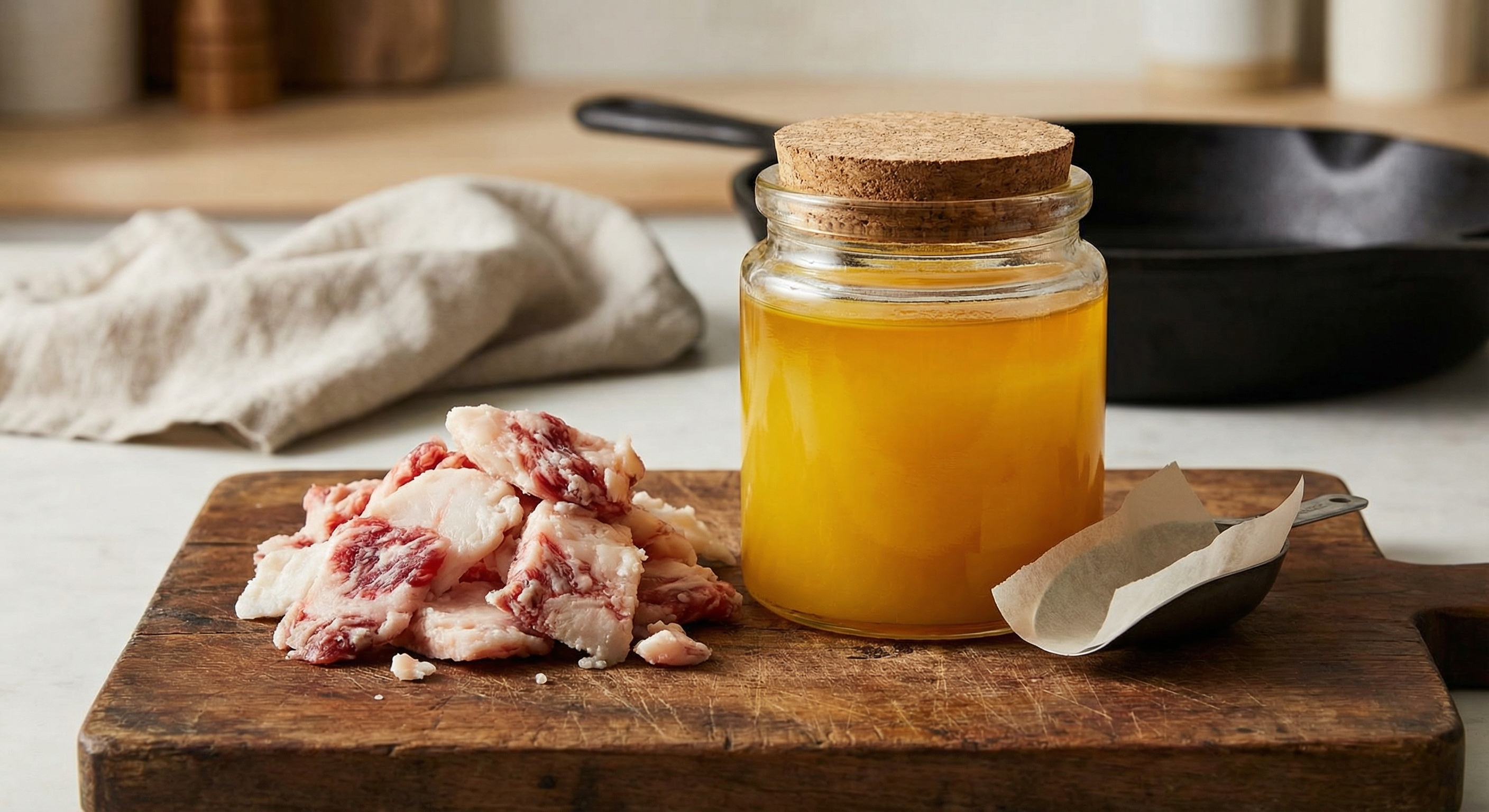
Wagyu tallow is rendered fat from wagyu beef — and it's arguably the most underappreciated byproduct in the entire wagyu world. While everyone focuses on the steak, the fat trimmings from wagyu cattle produce a cooking fat that outperforms butter, lard, and most cooking oils for specific applications.
I've been rendering and cooking with wagyu tallow for years, and the difference it makes in fried foods, seared vegetables, and pastry is remarkable. Here's everything you need to know about making and using it.
What Is Wagyu Tallow?
Tallow is rendered beef fat — fat that's been slowly melted, strained, and cooled into a stable, shelf-friendly form. Wagyu tallow specifically comes from the fat trimmings of wagyu cattle, which have a different fatty acid profile than conventional beef fat.
What makes wagyu tallow distinct from regular beef tallow:
- Higher monounsaturated fat content: Wagyu fat contains up to 55% oleic acid (the same heart-healthy fat in olive oil), compared to 35–40% in conventional beef
- Lower melting point: The high oleic acid content means wagyu tallow melts at a lower temperature, giving it a smoother, creamier texture
- Richer flavor: The complex marbling that makes wagyu steaks special also concentrates flavor compounds in the fat
- Better mouthfeel: Wagyu tallow coats the palate differently than regular tallow — it's silkier and less waxy
Wagyu Tallow Nutritional Profile
Per tablespoon (approximately 14g) of rendered wagyu tallow:
- Calories: ~125
- Total fat: 14g
- Saturated fat: 5–6g
- Monounsaturated fat: 7–8g (primarily oleic acid)
- Polyunsaturated fat: ~0.5g
- Cholesterol: ~13mg
- Vitamins: Contains conjugated linoleic acid (CLA), fat-soluble vitamins A, D, E, and K
The high oleic acid content is the headline here. Research has consistently linked oleic acid consumption to improved cardiovascular markers, reduced inflammation, and better insulin sensitivity. Wagyu beef fat has been shown to contain 2–3 times more CLA than conventional grain-fed beef fat.
How to Render Wagyu Tallow at Home
Rendering wagyu tallow is straightforward, but the details matter for getting clean, neutral-flavored results.
What You Need
- 1–2 pounds of wagyu fat trimmings (suet from the kidney area is ideal, but any fat trimmings work)
- A heavy-bottomed pot or Dutch oven
- Fine mesh strainer or cheesecloth
- Glass jars for storage
- A small amount of water (about ¼ cup)
Step-by-Step Process
1. Prepare the fat. Cut wagyu fat trimmings into small, uniform cubes — roughly ½ inch. The smaller the pieces, the faster and more completely they'll render. Remove any meat or connective tissue, which can add off-flavors.
2. Start with water. Add ¼ cup of water to your pot before adding the fat. This prevents scorching during the initial phase when the pot is hot but no liquid fat has rendered yet. The water evaporates as the fat melts.
3. Heat low and slow. Place the fat in the pot over the lowest heat setting your stove offers. Wagyu fat renders at a lower temperature than regular beef fat — you want gentle bubbling, never sizzling. Stir every 10–15 minutes.
4. Be patient. Full rendering takes 2–4 hours depending on quantity. The fat cubes will shrink and become golden-brown cracklings. The liquid fat should be clear golden, not brown.
5. Strain carefully. Pour the liquid fat through a fine mesh strainer lined with cheesecloth into glass jars. Strain twice if you want perfectly clear tallow.
6. Cool and store. Let the jars cool to room temperature before sealing. The tallow will solidify into a creamy white or very pale yellow solid. Any golden or brown color in the solid form means you rendered at too high a temperature.
Common Rendering Mistakes
- Heat too high: This is the most common error. High heat creates a beefy, greasy flavor instead of the clean, almost sweet taste properly rendered wagyu tallow should have
- Not removing meat: Even small bits of meat in your trimmings will create off-flavors and reduce shelf life
- Skipping the water start: Without water, the first pieces of fat often scorch before enough liquid fat accumulates to conduct heat evenly
- Single straining: Tiny cracklings left in the tallow will cause it to go rancid faster
Where to Get Wagyu Fat Trimmings
Finding wagyu fat trimmings is easier than you might think:
- Ask your butcher: If you buy wagyu steaks from a local butcher, ask them to save the trimmings. Most butchers throw these away and will give them to you for free or nearly free
- Online wagyu retailers: Several online wagyu suppliers sell fat trimmings specifically for rendering, typically $8–$15 per pound
- Whole primal purchases: When you buy a whole wagyu ribeye or strip loin, you'll get significant fat trim that's perfect for rendering
- Pre-rendered options: Some specialty retailers sell rendered wagyu tallow in jars, typically $20–$40 for 14oz, if you want to skip the rendering process
Best Cooking Uses for Wagyu Tallow
Wagyu tallow isn't just a substitute for other fats — there are applications where it genuinely outperforms everything else.
Deep Frying
This is where wagyu tallow truly shines. French fries cooked in wagyu tallow develop a crispier exterior, stay crispy longer, and have a subtle savory depth that oil-fried potatoes can't match. The smoke point of wagyu tallow (around 400°F/205°C) makes it ideal for deep frying.
McDonald's famously used beef tallow for their fries until 1990, and the switch to vegetable oil is still considered one of the great downgrades in fast food history. Wagyu tallow takes that original concept and elevates it further.
Searing Steaks
Using wagyu tallow to sear steaks — including non-wagyu steaks — adds richness without overpowering the meat's own flavor. Add a tablespoon to your screaming-hot cast iron right before the steak goes in. It handles the heat better than butter and contributes better flavor than neutral oils.
Roasting Vegetables
Root vegetables roasted in wagyu tallow develop a deeper, more complex caramelization than with olive oil or butter. Brussels sprouts, carrots, parsnips, and potatoes all benefit enormously. Toss your vegetables with melted tallow, salt, and pepper, then roast at 425°F until crispy.
Pie Crusts and Biscuits
Replace some or all of the butter in pie crust or biscuit recipes with chilled wagyu tallow for an incredibly flaky, savory result. This works especially well for savory applications like pot pies, but even sweet pies benefit from the flakiness tallow creates.
Scrambled Eggs
A teaspoon of wagyu tallow in the pan before scrambling eggs produces richer, more flavorful eggs than butter. The flavor pairing with eggs is natural and subtle — it enhances without dominating.
Popcorn
Pop your popcorn in wagyu tallow instead of oil. The result is movie-theater-quality popcorn with a savory, buttery flavor that actual movie theater "butter" tries and fails to replicate.
Wagyu Tallow vs. Other Cooking Fats
How does wagyu tallow compare to what's already in your kitchen?
Wagyu Tallow vs. Regular Beef Tallow
Wagyu tallow has a softer texture, lower melting point, milder flavor, and higher oleic acid content. Regular beef tallow can taste waxy or overly beefy; wagyu tallow is cleaner and more versatile. The difference is noticeable but not enormous — if you can get wagyu trimmings, it's worth it, but regular beef tallow is still excellent.
Wagyu Tallow vs. Butter
Butter burns at 350°F; wagyu tallow handles 400°F+ without smoking. For high-heat applications, tallow wins. Butter has more complex dairy flavors that work better in some baking applications. For searing, frying, and roasting, tallow is superior.
Wagyu Tallow vs. Olive Oil
Extra virgin olive oil has a lower smoke point (375°F) and a distinct flavor that doesn't complement every dish. Wagyu tallow has a more neutral, savory profile and handles higher heat. Olive oil is better for dressings, finishing, and Mediterranean dishes. Tallow is better for frying, searing, and roasting.
Wagyu Tallow vs. Lard
Lard (rendered pork fat) has a similar smoke point and cooking performance. The difference is flavor — lard has a faintly sweet, porky character while wagyu tallow is savory and beefy. For baking, lard makes slightly flakier crusts. For savory cooking, tallow generally provides better complementary flavor.
How to Store Wagyu Tallow
Properly rendered and stored wagyu tallow has an impressively long shelf life:
- Room temperature: 3–6 months in an airtight glass jar kept away from direct sunlight. The tallow should be solid and white at room temperature
- Refrigerated: 12+ months. Refrigeration extends shelf life significantly and is recommended if you render large batches
- Frozen: 2+ years. Freeze in ice cube trays for convenient pre-portioned amounts, then transfer cubes to a freezer bag
Signs Your Tallow Has Gone Bad
- Sour or rancid smell (fresh tallow smells mildly beefy or has almost no smell)
- Yellow or grey discoloration (properly rendered tallow is white to very pale cream)
- Any mold on the surface
- Grainy or crumbly texture (indicates moisture contamination)
Storage Tips
- Always use clean, dry utensils when scooping from your tallow jar — water is the enemy of shelf life
- Glass jars are better than plastic, which can absorb and transfer flavors
- Fill jars as full as possible to minimize air contact
- If you render multiple batches, label with the date
Beyond the Kitchen: Other Uses for Wagyu Tallow
Wagyu tallow's high oleic acid content makes it valuable outside the kitchen too:
- Skin moisturizer: Tallow is biocompatible with human skin oils. Wagyu tallow's higher oleic acid content makes it particularly good as a balm for dry, cracked skin. Apply a small amount to hands, elbows, or feet
- Cast iron seasoning: Wagyu tallow creates an excellent seasoning layer on cast iron cookware. Its high smoke point and low polyunsaturated fat content help build a durable, non-stick surface
- Soap making: Tallow-based soaps produce a hard, long-lasting bar with a creamy lather. Wagyu tallow soaps are marketed as a premium product by several artisan soap makers
- Candle making: Tallow candles burn cleaner and longer than many commercial candles, without the synthetic fragrances that can trigger sensitivities
Frequently Asked Questions
Frequently Asked Questions
Is wagyu tallow healthier than butter?
Wagyu tallow contains more monounsaturated fat (oleic acid) than butter and no lactose or casein, making it a better option for dairy-sensitive individuals. Both are whole-food cooking fats without industrial processing. The higher oleic acid in wagyu tallow is associated with better cardiovascular markers in research studies.
How much does wagyu tallow cost?
Pre-rendered wagyu tallow typically costs $20–$40 for a 14oz jar from specialty retailers. Raw wagyu fat trimmings for home rendering cost $8–$15 per pound, and one pound of raw fat yields roughly 12–14oz of rendered tallow. Asking your local butcher for trimmings is often the most affordable option.
Can you reuse wagyu tallow after frying?
Yes, wagyu tallow can be reused 3–4 times for frying. Strain it through cheesecloth after each use to remove food particles, and store it in the refrigerator between uses. Discard it when it darkens significantly, develops an off smell, or starts foaming when heated.
What does wagyu tallow taste like?
Properly rendered wagyu tallow has a mild, clean, slightly savory flavor — much more subtle than you might expect. It doesn't taste strongly of beef. When used for frying or roasting, it adds a rich depth without an identifiable "beefy" flavor to the finished dish.
Is wagyu tallow the same as wagyu suet?
No. Suet is the raw, hard fat found around the kidneys and loins of the animal. Tallow is what you get after rendering (melting and straining) suet or other fat trimmings. Suet is a raw ingredient; tallow is the processed cooking fat.
More Expert Guides
What Is Wagyu Beef? The Complete Guide to Grades, Origins & Quality
Discover wagyu beef origins, the difference between Japanese A5 and American wagyu, how BMS grading works, why marbling matters, proper cooking techniques, and what you should pay in 2026.
12 min readA5 Wagyu: Your Complete Buying & Authentication Guide (2026)
A5 wagyu represents the pinnacle of beef quality, but not all A5 is created equal. Learn how to authenticate real Japanese A5, decode BMS scores, find fair prices, and cook it perfectly at home.
14 min readA5 Wagyu Prefectures: Regional Guide to Japan's Best Beef
Discover the regional differences in Japanese A5 wagyu across 12 key prefectures. Learn which prefecture produces the flavor profile you'll love most.