Wagyu Short Ribs: The Complete Guide to Buying, Braising, and Grilling
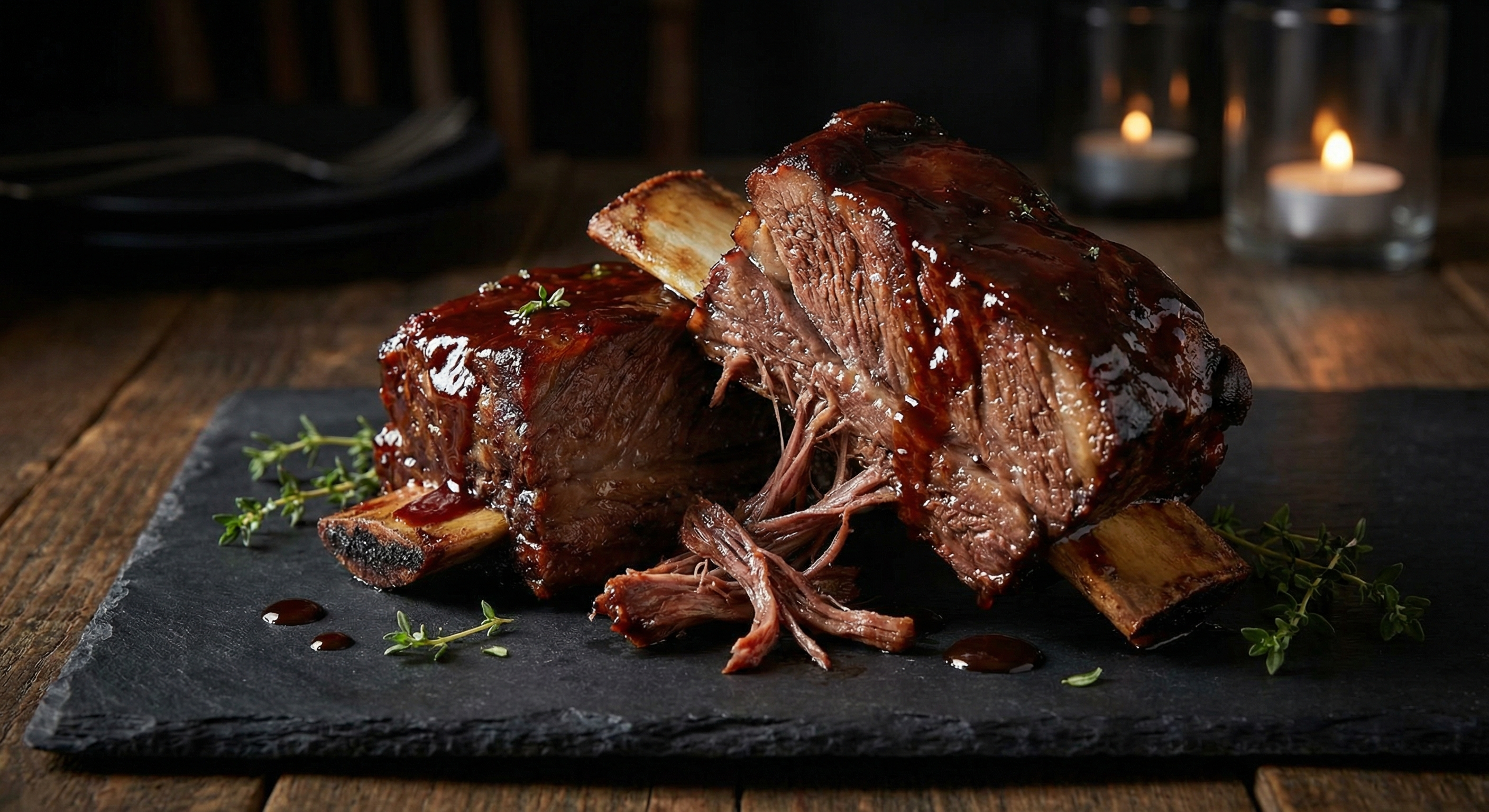
Short ribs are one of the most rewarding cuts in all of beef cookery. They combine deep, beefy flavor with connective tissue that melts into gelatin during slow cooking, creating that unmistakable richness that makes braised short ribs a centerpiece dish at restaurants worldwide.
Now take that cut and add wagyu-level marbling. The result is short ribs that braise into something almost impossibly tender and rich — a braising liquid that's more like a velvet sauce than a stock, meat that dissolves on your tongue, and a depth of flavor that standard short ribs can only hint at.
But wagyu short ribs aren't just for braising. Sliced thin across the bone in the flanken style, they become some of the best grilling meat you'll ever cook — the marbling bastes each thin slice from the inside, creating charred, caramelized edges with a juicy, buttery center.
Here's everything you need to know about buying, preparing, and cooking wagyu short ribs.
Understanding the Short Rib Cut
Short ribs come from the plate and chuck primals — the lower chest area of the animal, roughly ribs 6 through 12. These muscles do significant work during the animal's life, which builds deep flavor and dense connective tissue. That connective tissue is mostly collagen, which converts to gelatin during long, slow cooking — the source of that signature unctuous, lip-coating richness.
There are two main butchering styles:
English cut separates each rib individually, slicing parallel to the bone. You get thick, rectangular pieces — typically 2–4 inches long — each containing one section of bone. This is the standard cut for braising. The thick pieces hold their shape during hours of slow cooking and present beautifully on the plate.
Flanken cut slices across the bones, producing thin strips (usually ½ to ¾ inch thick) that contain small cross-sections of 3–4 bones. This is the cut used for Korean galbi, LA-style short ribs, and quick-grilling applications. The thin profile means fast cooking and maximum surface area for marinades and char.
A third option — boneless short ribs — removes the bones entirely. These are versatile but lose the presentation value and some of the flavor that the bone contributes during braising. For wagyu specifically, bone-in is almost always the better choice.
Why Wagyu Short Ribs Are Different
Standard USDA Choice short ribs have decent marbling in the point end and leaner meat closer to the chuck. The fat is concentrated in seams between muscles and in the external cap. When you braise them, the connective tissue converts to gelatin and the fat renders out, creating a good braising liquid and tender meat.
Wagyu short ribs take this to another level. The intramuscular fat — the fine white threads woven throughout the muscle fibers — means the meat itself is richer before cooking even begins. During braising, this internal fat renders alongside the collagen, creating a braising liquid with significantly more body and flavor. The meat stays more succulent because the fat distributed throughout the muscle keeps each fiber lubricated even after hours of cooking.
The difference is most noticeable in three areas:
Texture: Wagyu short rib meat has a finer, more tender grain. After braising, it doesn't just fall off the bone — it practically dissolves. The mouthfeel is distinctly more luxurious than conventional short ribs.
Braising liquid: The rendered intramuscular fat enriches the entire braise. If you reduce the liquid into a sauce, it has a natural viscosity and richness that usually requires butter mounting to achieve with standard short ribs.
Flavor depth: Wagyu beef has higher concentrations of oleic acid (the same monounsaturated fat found in olive oil), which contributes a sweet, clean richness without the heavy, tallowy aftertaste that sometimes accompanies fattier conventional cuts.
Grades and What to Buy
Not all wagyu short ribs are created equal, and the grade you choose should match your cooking method.
American wagyu (BMS 6–9): These are crossbred cattle — typically 50% Japanese genetics (Kuroge Washu) crossed with Angus. They produce short ribs with significantly more marbling than Prime but at a more accessible price point. This is the sweet spot for braising. The marbling is pronounced enough to transform the dish but not so extreme that you're melting away $50-per-pound fat into your braising liquid.
Full-blood wagyu (BMS 9–12): These cattle are 100% Japanese genetics, raised in the U.S. or Australia. Short ribs at this grade are intensely marbled — visually striking with white fat threading through deep red meat. Best for flanken-cut grilling where you can see and taste every thread of marbling. For braising, they're extraordinary but extravagant, as much of that premium fat renders into the liquid.
Japanese A4/A5 wagyu: Imported Japanese wagyu short ribs are rare and expensive ($40–$80+ per pound). At A5 grade (BMS 10–12), the marbling is so dense that the meat appears more white than red. Use these exclusively for thin-sliced grilling — yakiniku, galbi, or quick searing. Braising A5 short ribs is not recommended; you're paying a premium for fat that will largely end up in the braising liquid rather than on your palate.
Budget tip: If you're new to wagyu short ribs, start with American wagyu English-cut ribs for braising. They cost roughly $22–$30 per pound and deliver a dramatic upgrade over even the best USDA Prime short ribs.
How to Braise Wagyu Short Ribs
Braising is the quintessential short rib preparation, and wagyu elevates it from excellent to extraordinary. The fundamentals are the same as any braise — sear, build aromatics, add liquid, cook low and slow — but wagyu short ribs benefit from a few adjustments.
Searing: Pat the ribs completely dry and season generously with salt and pepper. Sear in a heavy Dutch oven with a thin layer of neutral oil (not olive oil — the smoke point is too low). Get each side deeply browned, 2–3 minutes per side. Wagyu renders more fat during searing, so pour off excess between batches to prevent steaming instead of searing.
Aromatics: Remove the ribs and sauté diced onion, carrot, and celery in the rendered fat. Add tomato paste and cook until it darkens, about 2 minutes. Deglaze with a full bottle of dry red wine — something with body like a Cabernet Sauvignon or Côtes du Rhône — and reduce by half.
Braising liquid: Add beef stock to come about two-thirds up the sides of the ribs (not fully submerged — the tops should peek above the liquid). Add thyme, bay leaves, and a few whole garlic cloves. Wagyu short ribs need slightly less liquid than conventional ribs because the rendered intramuscular fat contributes significant moisture during cooking.
The braise: Cover tightly and cook at 300–325°F for 2.5–3.5 hours. Check at 2.5 hours — wagyu often finishes faster. The meat is done when a fork slides through with almost no resistance and the meat pulls away from the bone. Let the ribs rest in their liquid for at least 20 minutes before serving.
The sauce: Strain the braising liquid and let it settle. Skim the fat (there will be more than usual — save it, wagyu tallow is liquid gold for cooking). Reduce the defatted liquid until it coats the back of a spoon. Season with salt and a splash of sherry vinegar to balance the richness. This sauce won't need butter or cream — the wagyu fat already gave it an incredible silky body.
Grilling Wagyu Short Ribs: Korean Galbi Style
Flanken-cut wagyu short ribs are one of the best things you can put on a grill. The thin cut means fast cooking over high heat, and the wagyu marbling bastes the meat from within as it cooks, creating charred, smoky edges with an impossibly juicy interior.
The marinade: Korean galbi marinade is the classic pairing. Combine soy sauce, Asian pear (grated), garlic, ginger, sesame oil, brown sugar, and a splash of rice wine. The Asian pear contains enzymes that tenderize the meat — though with wagyu, the meat is already tender, so the pear is mainly for sweet, fruity flavor. Marinate for 2–4 hours, not overnight — wagyu is delicate enough that extended marination can make the texture mushy.
Grilling: Get your grill screaming hot — 500°F+ on the grate. Remove the ribs from the marinade, shake off excess (sugar in the marinade burns quickly), and grill 2–3 minutes per side. The thin cross-cut pieces cook fast. You want deep char on the outside with the center still slightly pink. Wagyu's intramuscular fat will be visibly rendering between the muscle fibers — tiny pockets of melted goodness throughout each bite.
Serving: Let rest for just 2–3 minutes (thin cuts cool quickly), then serve with steamed rice, pickled radish, and ssam lettuce wraps. The combination of charred, sweet, salty wagyu with crisp lettuce and tangy pickles is one of the most perfectly balanced bites in all of food.
Other Cooking Methods Worth Trying
Sous vide: Wagyu short ribs at 155°F for 48–72 hours produces a result that's different from braising — the meat holds its structure more while still becoming completely tender. The sealed bag captures every drop of rendered wagyu fat, creating an intense jus. Finish with a hard sear in a cast iron pan. This method gives you the precision of temperature control that braising can't match.
Smoking: Beef short ribs (sometimes called "dino ribs" or plate ribs when left as a full rack) are a barbecue favorite. Wagyu short ribs smoked at 250–275°F for 6–8 hours develop an incredible bark while the internal fat renders slowly, keeping the meat extraordinarily moist. Look for full plate short ribs (ribs 6–8 in a connected slab) for the most impressive presentation.
Quick sear (boneless): Thick-cut boneless wagyu short ribs can be cooked like a steak — seared hard in cast iron to medium-rare (130°F internal). This is unconventional for short ribs but works with wagyu because the marbling provides enough fat to keep the meat juicy without the collagen conversion that braising achieves. Slice against the grain and serve over polenta or mashed potatoes.
Where to Buy Wagyu Short Ribs
Wagyu short ribs are less commonly stocked than wagyu steaks, but they're available from most reputable wagyu retailers. Here's what to look for:
Online retailers: Companies like Snake River Farms, Crowd Cow, and Holy Grail Steak Co. regularly carry American wagyu short ribs in both English and flanken cuts. Expect to pay $22–$35 per pound for American wagyu and $40–$60+ for Australian full-blood.
Local butchers: Specialty butchers increasingly carry American wagyu. Ask specifically for bone-in short ribs and specify your preferred cut (English or flanken). Many butchers can special-order wagyu short ribs with a few days' notice even if they don't stock them regularly.
Japanese imports: A5 Japanese wagyu short ribs appear occasionally from importers like The Wagyu Shop or Crowd Cow's Japanese selection. These are premium-priced and best reserved for grilling preparations where the marbling can be fully appreciated.
What to avoid: Be wary of "wagyu-style" or "wagyu-influenced" short ribs that don't specify the actual genetics or BMS score. Legitimate wagyu short ribs will state the breed percentage (e.g., "50% Wagyu x 50% Angus") or BMS grade. If the price seems too good to be true — under $15 per pound — it's likely not genuine wagyu.
Storage and Handling
Wagyu short ribs should be treated like any premium beef with a few extra considerations:
Refrigeration: Use within 3–5 days of purchase if fresh. Keep at 32–34°F in the coldest part of your refrigerator. If vacuum-sealed, they'll last 2–3 weeks unopened.
Freezing: Wagyu short ribs freeze well for 6–12 months. The high fat content actually helps protect against freezer burn. Thaw slowly in the refrigerator — 24–48 hours for bone-in English cut ribs. Never microwave-thaw wagyu; the fat renders unevenly and you'll ruin the texture before cooking even begins.
Portion planning: For braising, plan 1–1.5 pounds of bone-in short ribs per person (bones account for significant weight). For flanken-cut grilling, plan ½–¾ pound per person. Wagyu is richer than conventional beef, so portions can be slightly smaller — guests will feel satisfied sooner.
Frequently Asked Questions
Are wagyu short ribs worth the price?
Yes, especially for braising. Wagyu short ribs typically cost $18–$35 per pound compared to $8–$15 for USDA Choice. But the difference in texture and flavor is dramatic — the higher intramuscular fat renders during cooking into an incredibly rich, silky braise that Choice short ribs simply cannot match. For a dinner party or special occasion, wagyu short ribs are one of the best value-to-impression cuts you can buy.
What is the best way to cook wagyu short ribs?
Braising is the most popular and forgiving method. Sear the ribs hard in a hot pan, then braise at 300–325°F for 2.5–3.5 hours in red wine, stock, and aromatics until fork-tender. For grilling, use flanken-cut (cross-cut) ribs sliced thin and grill hot and fast like Korean galbi. Both methods work beautifully with wagyu — braising amplifies the rich, unctuous quality while grilling highlights the marbling in each bite.
What grade of wagyu short ribs should I buy?
For braising, American wagyu (BMS 6–9) offers the best balance of marbling and value. The fat renders into the braising liquid, creating extraordinary depth of flavor. Full-blood Japanese wagyu (BMS 10+) short ribs are best for grilling — the extreme marbling is more noticeable when the ribs are sliced thin and cooked quickly over high heat. Avoid using A5 wagyu for long braises, as much of the premium marbling melts away into the liquid.
What is the difference between English cut and flanken cut short ribs?
English cut short ribs are sliced parallel to the bone, giving you thick, individual bone-in pieces — ideal for braising. Flanken cut (also called Korean-style or LA galbi) slices across the bones, producing thin strips with small cross-sections of bone — perfect for grilling. Both cuts come from the same primal (the plate and chuck), just butchered differently. When ordering wagyu short ribs, specify which cut you want based on your cooking method.
How long do you braise wagyu short ribs?
Wagyu short ribs braise slightly faster than conventional short ribs due to higher fat content conducting heat more efficiently. Plan for 2.5–3.5 hours at 300–325°F in the oven, covered tightly. The meat is done when it pulls away from the bone easily and a fork slides through with no resistance. Don't rush it — underdone short ribs are tough and chewy regardless of grade.
More Expert Guides
What Is Wagyu Beef? The Complete Guide to Grades, Origins & Quality
Discover wagyu beef origins, the difference between Japanese A5 and American wagyu, how BMS grading works, why marbling matters, proper cooking techniques, and what you should pay in 2026.
12 min readA5 Wagyu: Your Complete Buying & Authentication Guide (2026)
A5 wagyu represents the pinnacle of beef quality, but not all A5 is created equal. Learn how to authenticate real Japanese A5, decode BMS scores, find fair prices, and cook it perfectly at home.
14 min readA5 Wagyu Prefectures: Regional Guide to Japan's Best Beef
Discover the regional differences in Japanese A5 wagyu across 12 key prefectures. Learn which prefecture produces the flavor profile you'll love most.