Wagyu Fat Melting Point: Why It Melts at Lower Temperatures Than Regular Beef
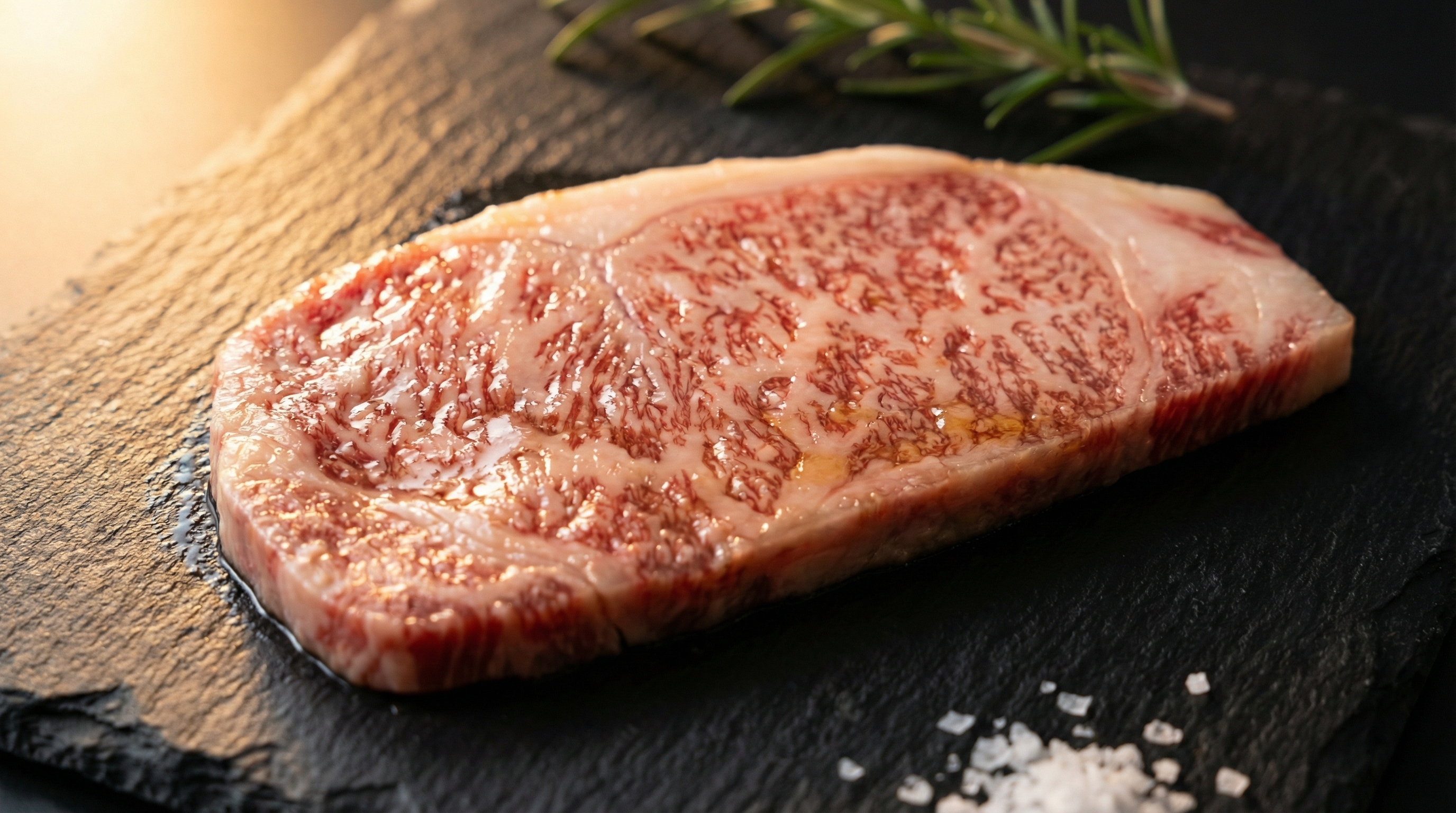
Pick up a slice of A5 wagyu beef and hold it between your fingers for a few seconds. The fat starts to soften almost immediately — not from any heat source, but from the warmth of your hand. That's not a gimmick. It's chemistry.
Wagyu beef fat has a melting point significantly lower than conventional beef fat, and this single characteristic explains much of what makes wagyu taste, feel, and cook differently from every other beef in the world. Understanding the melting point isn't just food science trivia — it's the key to cooking wagyu properly and appreciating why it costs what it does.
What Is the Melting Point of Wagyu Fat?
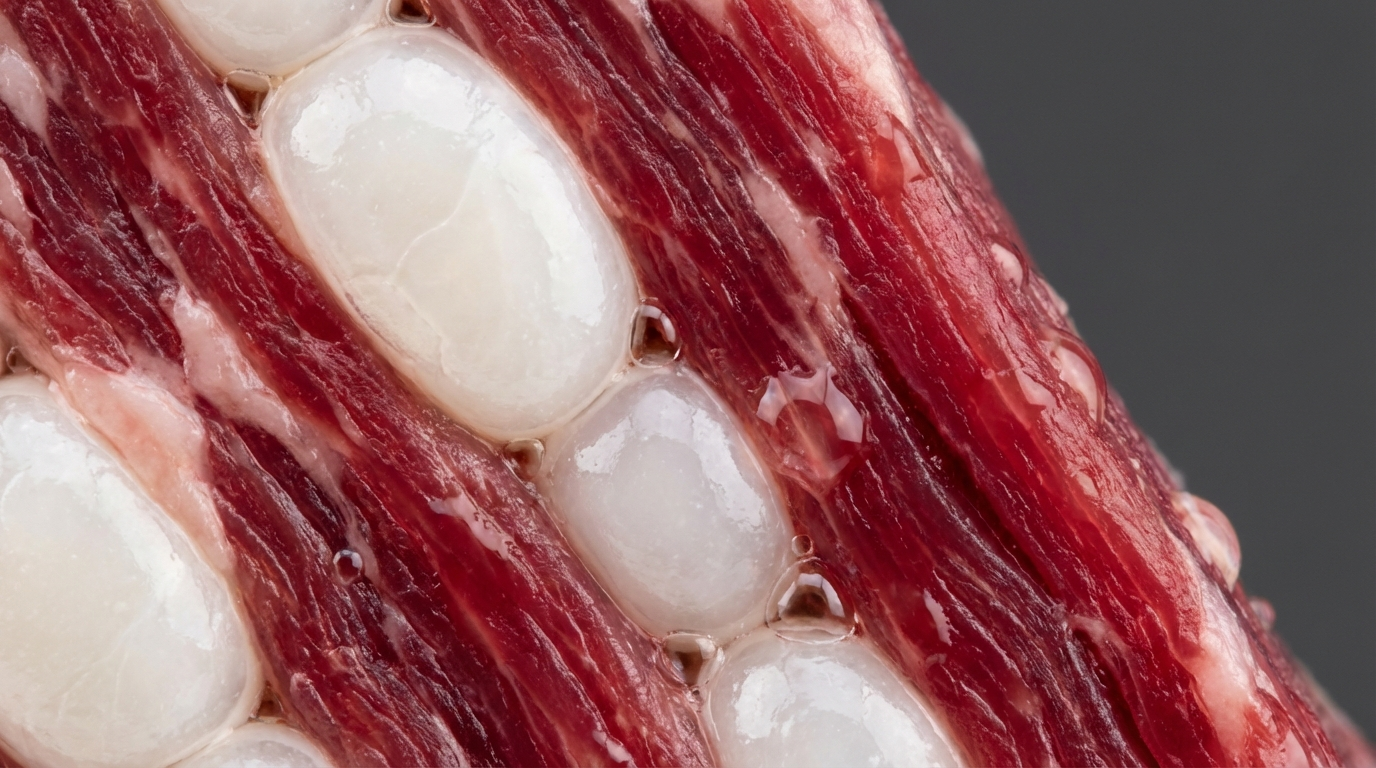
The melting point of wagyu beef fat typically ranges from 77°F to 86°F (25°C to 30°C), depending on the specific animal, breed lineage, diet, and BMS grade. For comparison:
- Japanese A5 wagyu (BMS 8–12): 77–82°F (25–28°C)
- Australian wagyu (BMS 6–9): 82–90°F (28–32°C)
- American wagyu (BMS 4–7): 86–95°F (30–35°C)
- USDA Prime beef: 95–104°F (35–40°C)
- USDA Choice beef: 100–113°F (38–45°C)
- Conventional grain-fed beef: 104–122°F (40–50°C)
That's a massive difference. A5 wagyu fat literally melts below human body temperature (98.6°F / 37°C), which is why it feels like it dissolves on your tongue the moment it enters your mouth. Regular beef fat requires significantly more heat to break down — that's why conventional steaks can leave a waxy, coating sensation if the fat isn't rendered properly during cooking.
The Science: Why Wagyu Fat Melts at Lower Temperatures
The low melting point comes down to fatty acid composition. All beef fat is a mixture of saturated and unsaturated fatty acids, and the ratio between them determines the melting point.
Oleic Acid: The Key Molecule
Wagyu beef contains dramatically higher concentrations of oleic acid (a monounsaturated omega-9 fatty acid) than conventional beef:
- Japanese wagyu: 45–55% oleic acid
- Conventional beef: 30–38% oleic acid
- Olive oil (for comparison): 55–83% oleic acid
Oleic acid has a melting point of approximately 55°F (13°C) — well below room temperature. When a fat contains more oleic acid, the overall mixture melts at a lower temperature. This is the same reason olive oil is liquid at room temperature while butter (mostly saturated fat) stays solid.
Saturated vs. Unsaturated Fat Ratios
Saturated fatty acids like palmitic acid (melting point 145°F / 63°C) and stearic acid (melting point 157°F / 70°C) are straight-chain molecules that pack tightly together, forming rigid structures that require more thermal energy to break apart.
Unsaturated fatty acids like oleic acid have a kinked molecular structure due to their double bond. This kink prevents the molecules from packing as tightly, creating a looser structure that requires less energy to disrupt — hence the lower melting point.
Wagyu cattle have been selectively bred for centuries in ways that favor higher unsaturated fat deposition. The genetics of Japanese Black cattle (Kuroge Washu) specifically promote enzymes like stearoyl-CoA desaturase (SCD) that convert saturated fatty acids into monounsaturated ones within the muscle tissue.
The SCD Gene Effect
Research published in Meat Science and the Journal of Animal Science has identified that Japanese Black cattle carry specific variants of the SCD gene that are more active than those in other breeds. Higher SCD activity means more conversion of stearic acid (saturated, high melting point) to oleic acid (unsaturated, low melting point) within the intramuscular fat.
This isn't just about feeding — it's genetic. You can feed a conventional Angus steer the same diet as a Japanese Black steer and the wagyu will still produce fat with a significantly lower melting point. The genetics drive the enzyme activity, which drives the fatty acid profile, which drives the melting point.
How BMS Grade Correlates with Melting Point
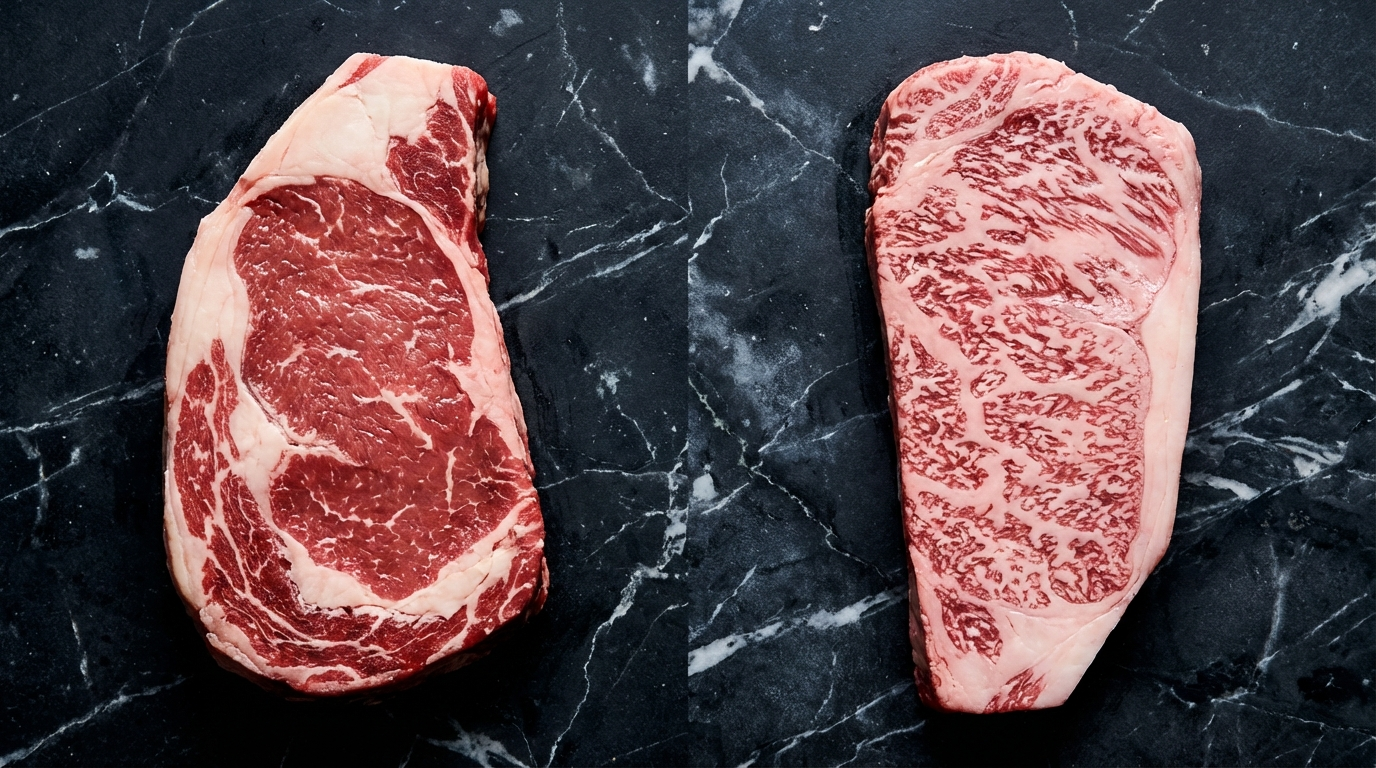
There's a strong inverse correlation between BMS (Beef Marbling Standard) score and fat melting point. As marbling increases, the melting point generally decreases:
- BMS 1–3: Melting point ~100–110°F (38–43°C) — fat stays firm at room temperature
- BMS 4–6: Melting point ~90–100°F (32–38°C) — fat softens noticeably at room temperature
- BMS 7–9: Melting point ~82–90°F (28–32°C) — fat is pliable and glossy
- BMS 10–12: Melting point ~77–82°F (25–28°C) — fat literally melts from hand warmth
This happens because higher BMS grades reflect more intramuscular fat deposition, and the intramuscular fat in genetically superior wagyu cattle has a higher proportion of unsaturated fatty acids than subcutaneous (external) fat. The marbling fat is chemically different from the fat cap — it's softer, more oleic acid-rich, and lower melting.
Why Melting Point Matters for Flavor and Mouthfeel
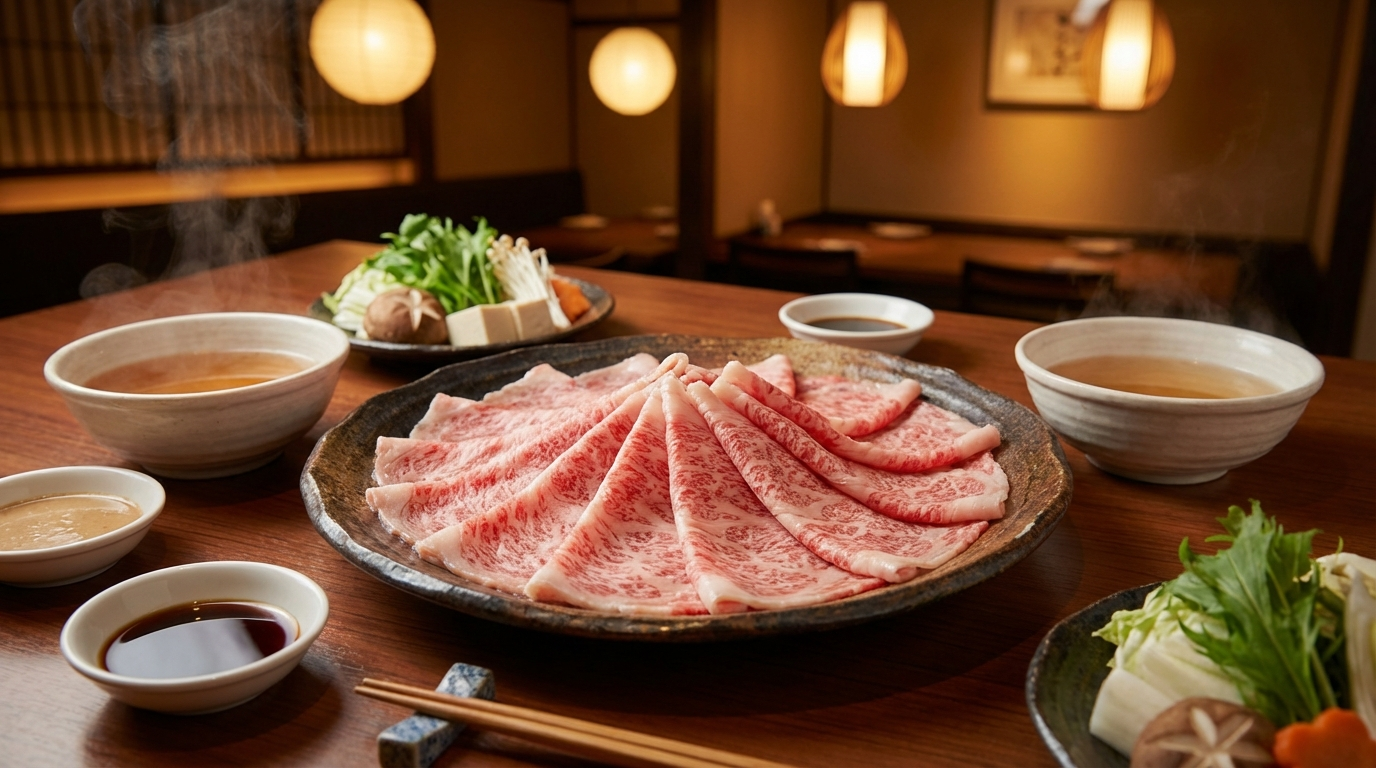
The melting point of fat directly determines how you experience beef in your mouth. Here's why it matters so much:
Instant Flavor Release
When fat melts below mouth temperature (98.6°F), it liquefies the moment it contacts your tongue. This releases all the fat-soluble flavor compounds — volatile aldehydes, lactones, and short-chain fatty acids — simultaneously. You get an immediate burst of rich, buttery, umami flavor rather than a gradual release as you chew.
No Waxy Residue
Conventional beef fat that melts above body temperature can coat your mouth with a waxy, tacky film. This is the greasy aftertaste many people associate with fatty cuts of regular beef. Wagyu fat leaves no such residue because it fully liquefies at mouth temperature, creating a clean, rich finish instead.
The "Melt-in-Your-Mouth" Effect
This phrase gets overused in food writing, but with A5 wagyu it's literally accurate. The fat transitions from solid to liquid as it warms from plate temperature to mouth temperature. Combined with the tender muscle fibers of well-marbled wagyu, the overall sensation is of the beef dissolving — because the fat component genuinely is melting.
Aroma Amplification
Fat is the primary carrier of aromatic compounds in beef. When wagyu fat melts rapidly, it releases its volatile aromatics more quickly and completely. This is why A5 wagyu has such an intense, complex aroma even before you take a bite — the fat is already softening and releasing volatiles at serving temperature.
How Melting Point Affects Cooking Wagyu
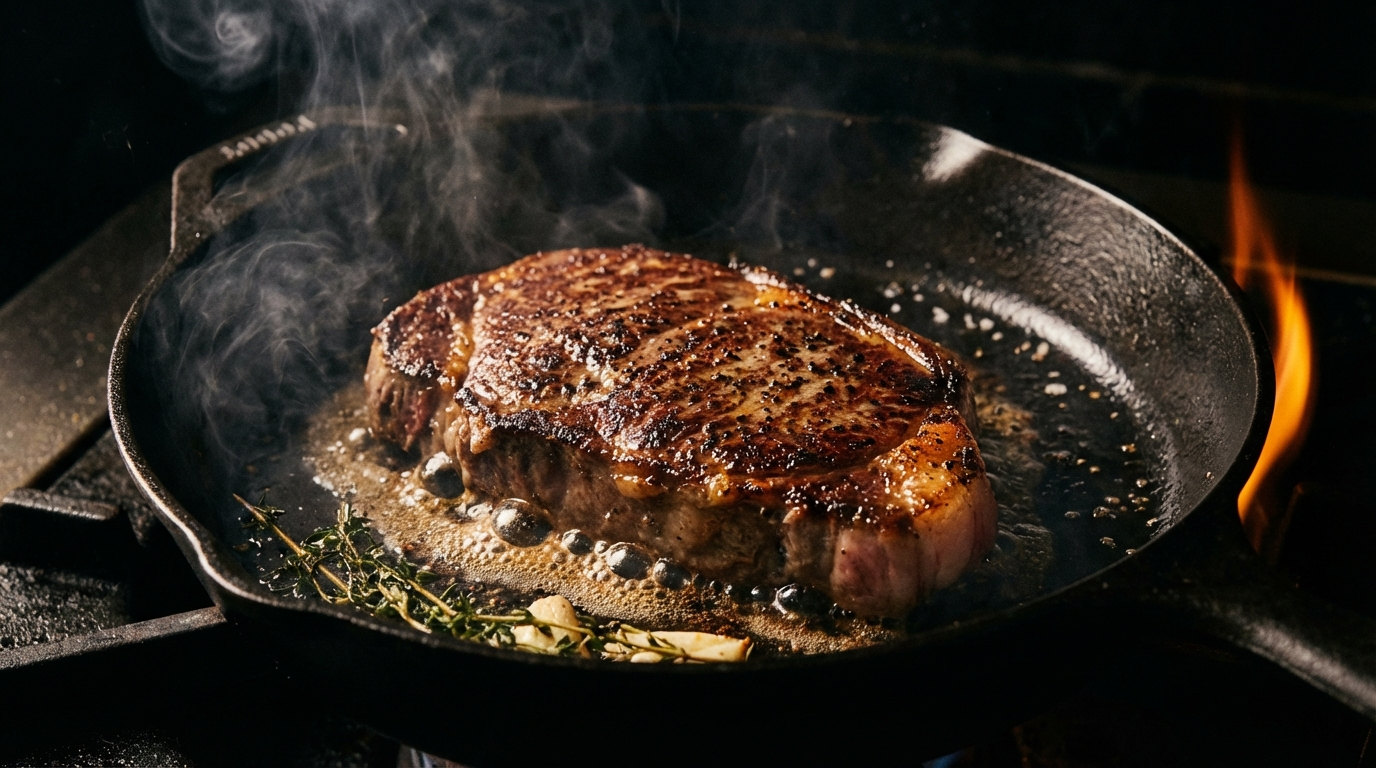
The low melting point of wagyu fat has major practical implications for how you cook it. Get this wrong and you'll render out the very marbling you're paying a premium for.
Lower Heat, Shorter Time
Because wagyu fat starts rendering at lower temperatures than regular beef, you need to adjust your cooking approach:
- Searing temperature: Use high heat (500°F+) but for very short periods (60–90 seconds per side). The goal is crust formation before the interior fat renders out
- Oven/indirect heat: Keep temperatures moderate (275–325°F). Higher temperatures will cause the low-melting fat to liquify and drain away faster
- Target doneness: Rare to medium-rare (120–130°F internal). At medium-well or above, you'll have rendered out most of the intramuscular fat that defines wagyu
Why Overcooking Wagyu Is Worse Than Overcooking Regular Beef
When you overcook conventional beef, you lose moisture and toughen the protein. When you overcook wagyu, you lose moisture, toughen the protein, and melt out the marbling. Because wagyu fat renders at lower temperatures, it starts leaving the meat earlier in the cooking process. By the time a wagyu steak hits 160°F internal (well-done), a significant portion of its intramuscular fat has liquefied and pooled in the pan.
This is why wagyu is almost always served rare to medium-rare in Japan. It's not just preference — it's the scientifically optimal way to preserve the fat that makes wagyu special.
The Pan Matters
Use a heavy pan — cast iron or carbon steel — that retains heat well. Because wagyu releases fat quickly, a thin pan will drop in temperature and you'll end up steaming the steak in its own rendered fat instead of searing it. A heavy, pre-heated pan maintains the high contact temperature needed for Maillard browning while the cook time stays short enough to preserve interior marbling.
No Additional Oil Needed
Start with a dry pan. Wagyu provides its own cooking fat almost immediately upon contact with heat. Adding oil to the pan means the steak is effectively swimming in fat within seconds, which inhibits the sear. Score the fat cap lightly if present, place fat-side down first for 30 seconds to render a base layer, then sear the flat sides.
Wagyu Fat Melting Point vs. Other Premium Fats
To put wagyu's melting point in context, here's how it compares to other cooking fats:
- A5 wagyu fat: 77–82°F (25–28°C)
- Duck fat: 81–86°F (27–30°C)
- Lard (pork fat): 97–113°F (36–45°C)
- Butter: 90–95°F (32–35°C)
- Conventional beef tallow: 104–122°F (40–50°C)
- Coconut oil: 76°F (24°C)
- Olive oil: 21°F (−6°C) — liquid at room temperature
A5 wagyu fat sits remarkably close to duck fat and butter in terms of melting point, which helps explain why wagyu is often described as "buttery." The comparison to olive oil is also instructive — wagyu and olive oil share similarly high oleic acid content, but wagyu's saturated fat fraction keeps it solid (just barely) at typical room temperatures.
Health Implications of the Lower Melting Point
The fatty acid profile that creates the low melting point also has health implications. Oleic acid, the dominant fatty acid in wagyu, is associated with:
- Improved cardiovascular markers: Studies show oleic acid can reduce LDL cholesterol and increase HDL cholesterol
- Anti-inflammatory properties: Oleic acid has been shown to reduce inflammatory markers in multiple studies
- Insulin sensitivity: Diets higher in monounsaturated fats (like oleic acid) are associated with better insulin response
- Conjugated linoleic acid (CLA): Wagyu fat contains 2–3× more CLA than conventional beef, which has been studied for anti-carcinogenic and body composition benefits
This doesn't make wagyu a health food — it's still calorie-dense beef. But the argument that wagyu fat is "better fat" than conventional beef fat has genuine scientific support. The same molecular properties that give wagyu its low melting point also make its fat more nutritionally favorable than the harder, more saturated fat in conventional cattle.
How to Test Melting Point at Home
You can observe the melting point difference yourself with a simple test:
- Take a trimming from your wagyu and a piece of fat from conventional beef
- Place both on a plate at room temperature (around 70°F / 21°C)
- Wait 10–15 minutes. The wagyu fat will begin to soften, become glossy, and lose its rigid shape. The conventional beef fat will remain firm and relatively unchanged
- Press each with your finger. The wagyu fat will yield easily and leave an oily residue on your fingertip. The conventional fat will resist pressure and feel waxy
- Warm both to body temperature (hold in your palm). The wagyu fat should fully liquify. The conventional fat will soften but remain largely solid
This visual demonstration makes the chemistry tangible. The wagyu fat is genuinely a different material than conventional beef fat — same animal, same species, but dramatically different molecular composition thanks to centuries of selective breeding.
Frequently Asked Questions
Frequently Asked Questions
What temperature does wagyu fat melt at?
Japanese A5 wagyu fat typically melts between 77°F and 86°F (25–30°C), which is below human body temperature. This is significantly lower than conventional beef fat, which melts between 104°F and 122°F (40–50°C). The exact melting point varies based on the animal's genetics, diet, and BMS grade.
Why does wagyu fat melt in your mouth?
Wagyu fat melts in your mouth because its melting point (77–86°F) is below your body temperature (98.6°F). The high concentration of oleic acid — a monounsaturated fatty acid — gives wagyu fat a lower melting point than regular beef fat, causing it to liquify on contact with your tongue.
Is wagyu fat healthier than regular beef fat?
Wagyu fat contains significantly more oleic acid (45–55%) than conventional beef fat (30–38%). Oleic acid is associated with improved cardiovascular markers, reduced inflammation, and better insulin sensitivity. Wagyu also contains 2–3× more conjugated linoleic acid (CLA). However, it's still calorie-dense and should be consumed in moderation.
Does higher marbling mean a lower melting point?
Yes. There is a strong inverse correlation between BMS (marbling) score and fat melting point. BMS 10–12 wagyu has a melting point around 77–82°F, while BMS 1–3 beef melts closer to 100–110°F. Higher marbling grades contain more intramuscular fat with a greater proportion of unsaturated fatty acids.
Can you render wagyu fat for cooking?
Yes. Wagyu tallow (rendered wagyu fat) is excellent for cooking. Because of its low melting point and high oleic acid content, it produces a smoother, less waxy tallow than conventional beef. Render at 130–140°F for clean results. See our complete wagyu tallow guide for detailed instructions.
More Expert Guides
Wagyu Ribeye Steak: The Complete Guide to Buying, Cooking, and Enjoying
Wagyu ribeye is the crown jewel of steak cuts — extraordinary marbling wrapped around the most flavorful primal on the animal. Here's how to buy, cook, and serve it without wasting a single bite.
12 min readHalal Wagyu Beef: Everything You Need to Know Before You Buy
Halal wagyu combines the extraordinary marbling of wagyu genetics with Islamic slaughter standards. Here is how to find it, verify certification, and choose the right cuts.
12 min readWagyu Teppanyaki: The Complete Guide to Japan's Theatrical Steak Experience
Teppanyaki transformed wagyu from an ingredient into a performance. This guide covers the best cuts, iron griddle technique, essential sauces, and how to recreate the full experience at home.