Wagyu Burgers: The Complete Guide to Grinding, Seasoning, and Cooking
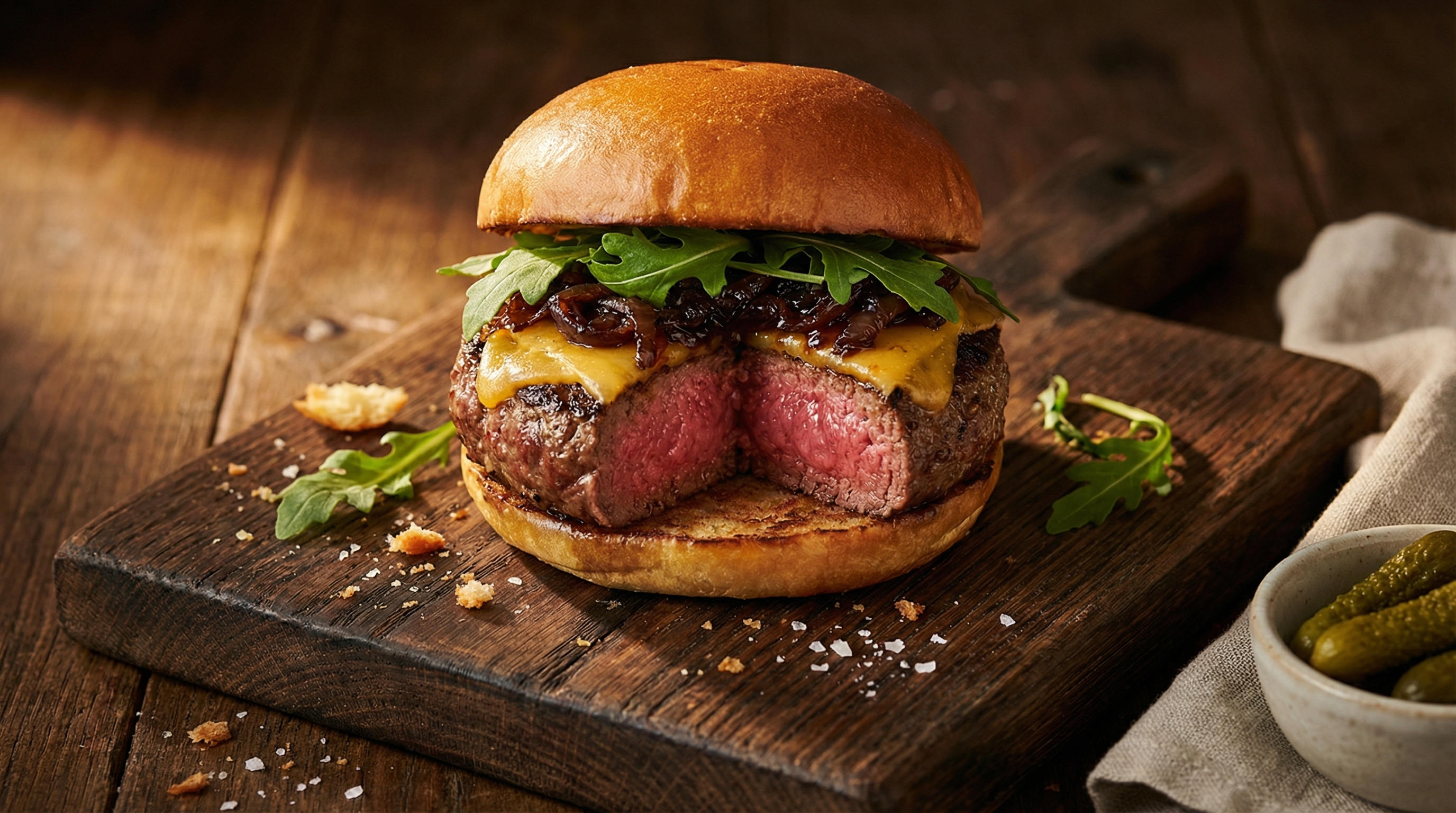
A wagyu burger sounds like the simplest possible application of expensive beef. Take wagyu, grind it, form a patty, cook it. But the moment you handle wagyu ground beef, you realize it behaves nothing like the 80/20 chuck you're used to. It's softer, fattier, more fragile — and if you treat it like regular hamburger meat, you'll end up with a greasy, overcooked mess that tastes no better than grocery store ground beef.
The irony is that wagyu burgers are both the easiest entry point into wagyu beef and one of the most technically demanding ways to cook it well. The margin between a transcendent wagyu burger and an expensive disappointment comes down to understanding what all that extra intramuscular fat does to grinding, forming, and cooking.
I've tested wagyu burgers across every variable — different grinds, fat ratios, cooking methods, temperatures, and toppings — and the differences are dramatic. Here's everything that actually matters.
What Makes Wagyu Ground Beef Different
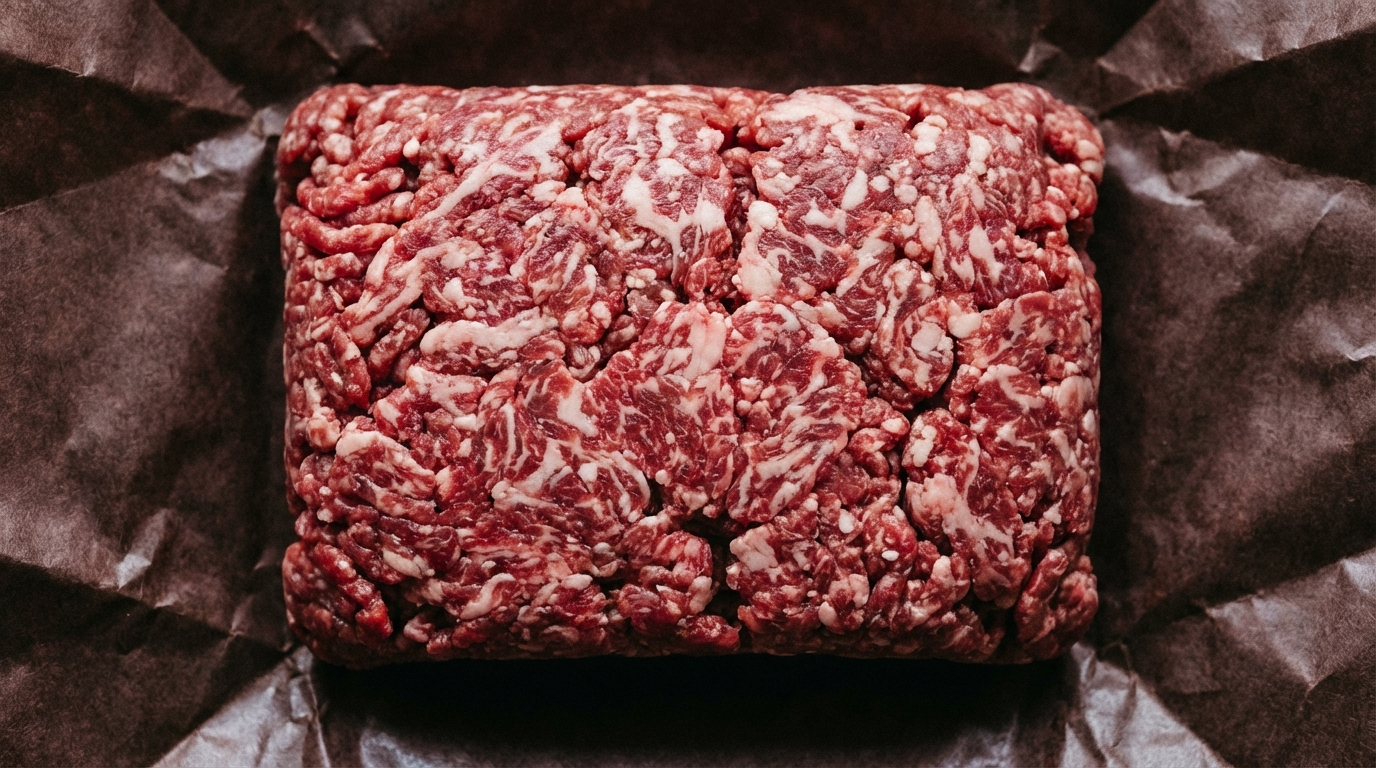
Standard ground beef is a blend of lean muscle and added fat trim, mechanically mixed to hit a target ratio — usually 80/20 or 85/15. The fat exists as distinct chunks and pockets within the grind. When it cooks, those fat pockets melt and either baste the meat or drip away.
Wagyu ground beef is fundamentally different because the fat isn't just added trim — it's intramuscular fat that was woven through the muscle fibers before grinding. This creates a finer, more uniform fat distribution throughout the grind. Under a microscope, conventional ground beef looks like lean meat with fat chunks dropped in. Wagyu ground beef looks like every fiber is coated in its own layer of fat.
This structural difference affects everything downstream:
Texture: Raw wagyu ground beef feels notably softer and stickier than conventional ground beef. It's almost paste-like when warm, which makes forming patties trickier — you need cold hands, cold meat, and a gentle touch.
Fat rendering: Because the fat is distributed so finely, it renders faster and more evenly during cooking. This means wagyu burgers cook quicker, develop crusts faster, and have a narrower window between done and overdone.
Shrinkage: Wagyu patties shrink more than conventional beef patties — typically 25–35% versus 15–20%. The higher fat content melts away during cooking, so you need to start with larger, thicker patties than you think.
Flavor: The even fat distribution means every bite delivers the same rich, buttery, deeply beefy flavor. There are no lean spots or fatty pockets — just consistent richness throughout. This is what justifies the price premium.
Choosing the Right Wagyu for Burgers
Not all wagyu ground beef is created equal, and the grade matters less than you'd expect for burgers. Here's how to think about sourcing:
American wagyu ground beef (best value): Crossbred American wagyu produces ground beef in the 75/25 to 80/20 range with excellent flavor. At $15–$20 per pound, it's the sweet spot for burgers — noticeably better than conventional beef without the extreme price of full-blood Japanese wagyu. This is what most high-end burger restaurants use.
Full-blood wagyu ground beef (premium): Ground from 100% wagyu genetics, this runs 70/30 to 75/25 naturally and costs $25–$35 per pound. The flavor is exceptional but the higher fat content makes it harder to cook — patties are more fragile and shrink more. Worth trying, but not necessarily better for burgers than American wagyu.
Japanese A5 wagyu ground beef (special occasion): At $40–$60 per pound, this is ground from A5-grade trim and offcuts. The fat content can exceed 30%, making it incredibly rich but almost impossibly difficult to form into patties. Honestly, A5 ground beef is better used in applications where you cook it loose — bolognese, keema, stuffed peppers — rather than formed burgers.
The best cuts for grinding at home: If you're buying wagyu primals and grinding yourself, chuck is the ideal base (75% of the blend). Add short rib trim (15%) for extra richness and brisket trim (10%) for deeper beef flavor. Keep everything ice-cold during grinding — wagyu fat smears at room temperature, which ruins the grind texture.
How to Form Wagyu Burger Patties
Patty formation is where most people sabotage their wagyu burgers before they even touch heat. The rules that work for conventional ground beef — pack it tight, season it throughout, make it compact — will destroy a wagyu burger.
Keep it cold. This is the single most important rule. Wagyu fat softens at lower temperatures than conventional beef fat. Work with ground beef straight from the refrigerator (38°F), and if your hands are warming it up, put it back in the fridge for 10 minutes between patties. Some people even chill their hands in ice water first.
Handle it minimally. Every second you work wagyu ground beef, your hands warm the fat and compress the texture. Form patties with 3–4 gentle presses at most. The patty should look slightly rough and uneven on the surface — that's correct. Smooth, tightly packed wagyu patties cook up dense and lose their characteristic tenderness.
Make them wider than you think. Account for 25–35% shrinkage by forming patties about 1 inch wider than your bun. A standard 4-inch bun needs a 5-inch raw patty. Press a shallow thumbprint dimple in the center to prevent the burger from puffing into a ball during cooking.
Season only the outside. Never mix salt into wagyu ground beef before forming. Salt draws moisture, changes the protein structure, and turns your burger into a dense, sausage-like puck. Season the exterior of the formed patty generously with kosher salt and coarse black pepper just before it hits the heat — and nothing else. Wagyu beef has enough flavor that additional seasonings just get in the way.
Ideal patty weight: 6–8 ounces for a standard thick burger, or 2–3 ounces for smash burgers. Wagyu's richness means you don't need a massive patty — a 6-ounce wagyu burger delivers more flavor satisfaction than a 10-ounce conventional burger.
Cooking Methods Ranked
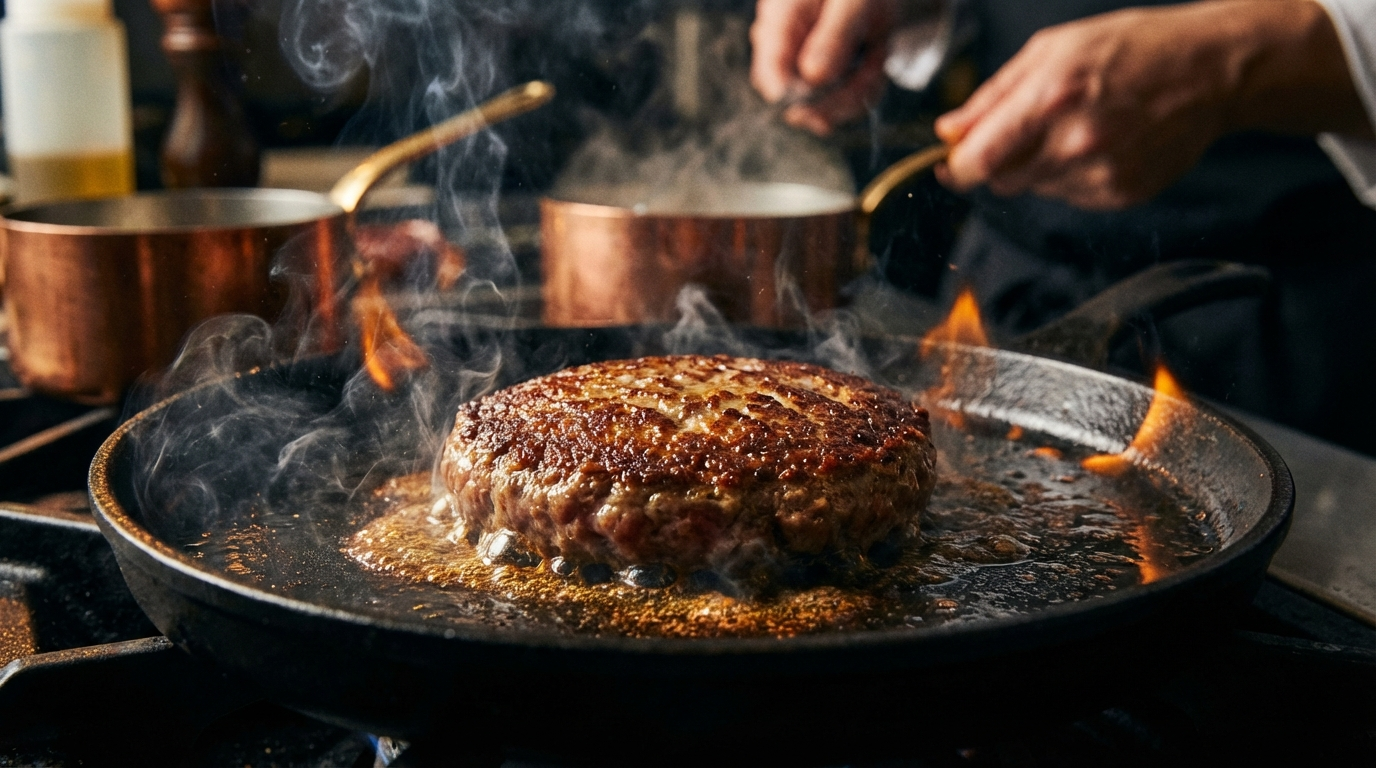
The cooking method matters more for wagyu burgers than conventional burgers because you're managing a much higher volume of rendering fat. Here's how each method performs:
Cast Iron Skillet or Flat Griddle (Best Overall)
A scorching-hot cast iron skillet or flat griddle is the ideal surface for wagyu burgers. The flat surface captures rendered wagyu fat and uses it to baste and crisp the patty — you're essentially shallow-frying the burger in its own rendered wagyu tallow. The result is an extraordinary crust with maximum flavor retention.
Heat cast iron over high heat for 5 minutes until smoking. No oil needed — the wagyu fat provides all the cooking fat you need. Place the patty and don't touch it for 2–3 minutes. Flip once. The crust should be deep golden-brown and shatteringly crisp.
Smash Burger Method (Best for Value)
Smash technique might be the single best way to cook wagyu ground beef, especially for the price-conscious. Take a 2.5–3 ounce ball of cold wagyu ground beef, place it on a screaming-hot griddle (450°F+), and immediately press it flat with a heavy spatula or burger press. Hold the press for 10 seconds.
The thin patty creates maximum surface area contact with the hot surface, generating an insane crust-to-meat ratio. The wagyu fat renders instantly, creating a lacy, crispy edge that's impossible to achieve with conventional beef. Two smash patties stacked with cheese is the wagyu burger experience at its most addictive — and at 5–6 ounces total of wagyu, it's more affordable than a thick single patty.
Charcoal or Gas Grill (Good, With Caveats)
Grilling wagyu burgers works but has a significant downside: all that beautiful rendered wagyu fat drips through the grates, causing flare-ups and losing flavor. You're essentially paying premium prices for fat that feeds the fire instead of your burger.
If grilling, use the hottest zone for a fast sear (90 seconds per side), then move to indirect heat to finish. Keep a spray bottle nearby for flare-ups. The smoky flavor is nice, but the crust will never match cast iron because you lose the basting effect of the rendered fat.
Oven Broiler (Avoid)
Broiling wagyu burgers is the worst method. The fat renders downward into the pan, the top dries out, and you get none of the crust development that makes wagyu burgers special. The only scenario where this makes sense is if you're cooking for a crowd and can't manage a griddle — but at that point, you're wasting money on wagyu.
Temperature and Doneness
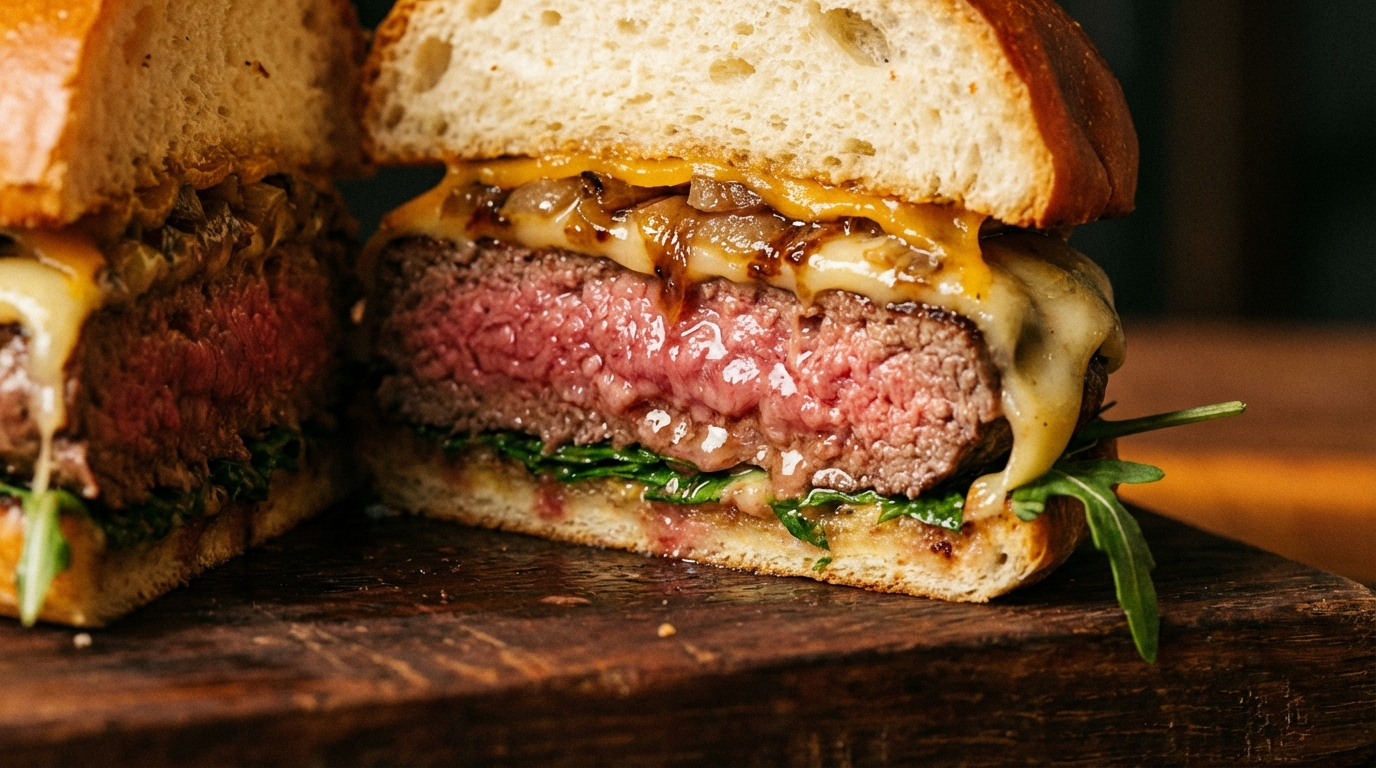
Wagyu burgers are more forgiving on doneness than wagyu steaks because the ground format and high fat content provide a buffer. But there's still an optimal window:
Medium-rare (130°F internal): The ideal target. The wagyu fat is fully rendered and flowing, the meat is tender and juicy, and the beef flavor is at its peak. The center will be warm pink throughout.
Medium (140°F internal): Still excellent with wagyu. The higher fat content means a medium wagyu burger stays juicier than a medium-rare conventional burger. This is the safe choice if you're uncomfortable with pink ground beef.
Medium-well and beyond (150°F+): Even wagyu can't save an overcooked burger entirely, but a well-done wagyu patty will still have more moisture and flavor than a medium conventional patty. The fat acts as insurance — but you're paying a premium for diminishing returns.
A note on food safety: Ground beef carries more bacterial risk than whole-muscle cuts because surface bacteria get mixed throughout during grinding. If you're grinding wagyu at home from quality whole-muscle cuts and cooking immediately, medium-rare is safe. For pre-ground wagyu, the USDA recommends 160°F — a temperature that overcooks the burger. Many restaurants and home cooks accept the minimal risk of cooking pre-ground wagyu to 140°F (medium), which represents a reasonable compromise between safety and quality.
Buns, Toppings, and Pairings
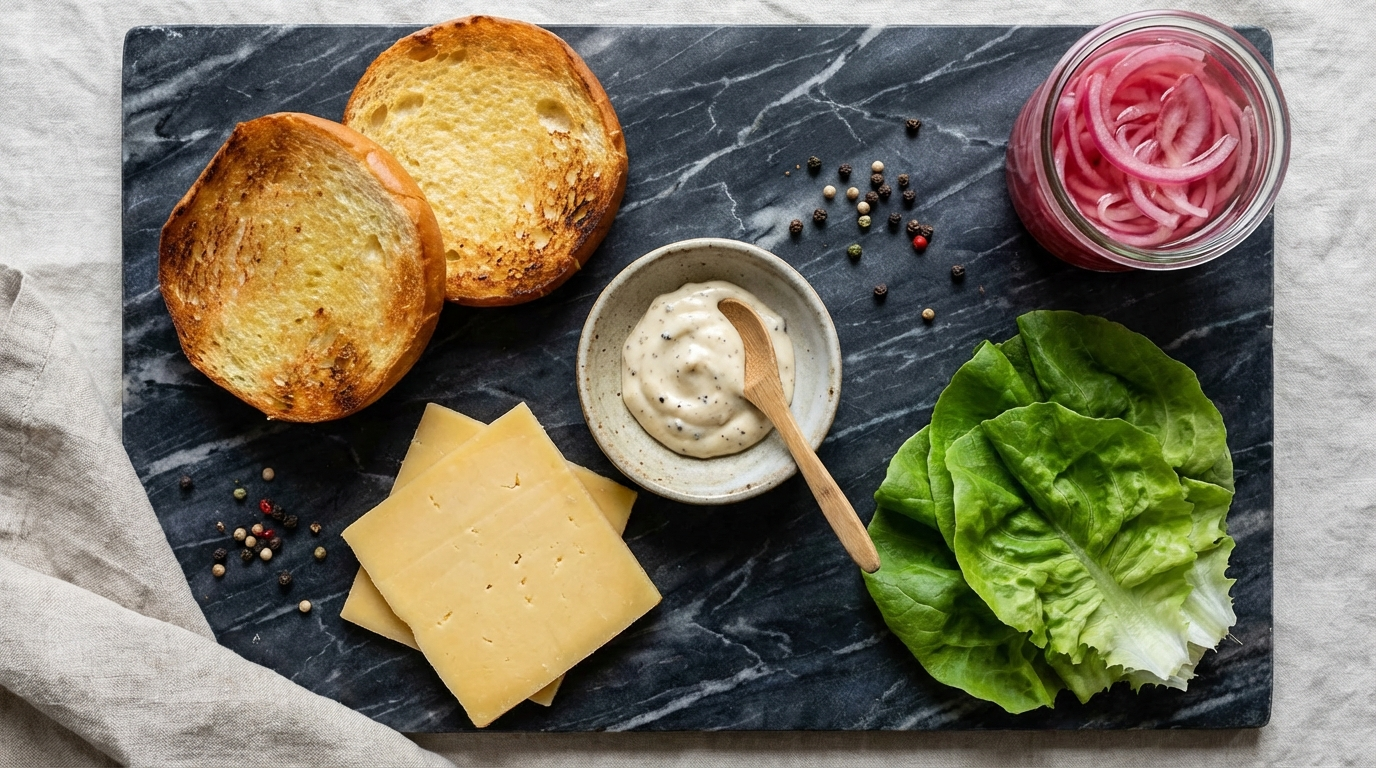
The biggest mistake people make with wagyu burgers is over-dressing them. You're paying a premium for the beef — let it be the star. The toppings should complement and contrast, not compete.
The Bun
A toasted brioche bun is the standard for a reason — it's sturdy enough to hold the juicy patty without disintegrating, slightly sweet to contrast the beef's savory richness, and soft enough to not fight the tender wagyu texture. Martin's potato rolls are the smash burger classic. Avoid anything too crusty or dense — you don't want to compress the patty while biting.
Toast the bun cut-side down in the rendered wagyu fat left in the skillet. This adds flavor and creates a moisture barrier that prevents soggy bread.
Best Toppings for Wagyu Burgers
Aged cheddar or gruyère: Sharp, funky cheese stands up to wagyu's richness. American cheese works perfectly on smash burgers for its melt. Avoid mild cheeses that disappear against the beef.
Pickled or acidic elements: The richness of wagyu demands acidity to cut through the fat. Pickled red onions, cornichons, pickled jalapeños, or a sharp vinegar slaw all work. This is non-negotiable — without acid, wagyu burgers feel heavy by the last few bites.
Umami boosters: Caramelized onions, sautéed mushrooms, or a thin spread of miso butter amplify the beef's depth without masking it.
Fresh contrast: A handful of peppery arugula or crisp butter lettuce adds textural contrast and freshness.
What to Avoid
Heavy sauces: Skip the ketchup, mayo-based sauces, or barbecue sauce overload. If you want a sauce, a thin smear of dijon mustard or truffle aioli adds complexity without drowning the wagyu.
Too many toppings: Three to four toppings maximum. Every additional element dilutes what you're paying for — the beef.
Raw white onion: Too pungent and it dominates everything. Caramelize it or pickle it instead.
Common Mistakes and How to Avoid Them
After testing dozens of wagyu burgers and watching others cook them, these are the mistakes that destroy the experience most often:
Overworking the meat: This is the number one killer. Mixing seasonings into the ground beef, kneading it, packing patties tight — all of these compress the fat and turn your burger dense and sausage-like. Wagyu ground beef should be handled like it's fragile, because it is.
Cooking from room temperature: Unlike steaks, wagyu burger patties should hit the cooking surface cold. Starting cold gives you more time to develop a crust before the interior overcooks. The fat also holds its shape better when cold, preventing the patty from falling apart.
Using a cold pan: If the cooking surface isn't smoking hot, the patty will steam instead of sear. You need immediate, aggressive contact to set the crust before the fat starts rendering and loosening the patty. Heat the pan for a full 5 minutes over the highest heat your stove can produce.
Pressing the patty while cooking: The one exception is the initial smash for smash burgers. After that, never press a wagyu patty. You're squeezing out the rendered fat that keeps the burger juicy — and with wagyu, that's a lot of expensive, flavorful fat heading for the drain.
Flipping multiple times: Flip once. Every flip disrupts crust formation and releases fat. One flip, one chance per side to build that golden-brown, crispy exterior.
Skipping the rest: Let wagyu burgers rest on the bun (cut side down) for 60–90 seconds after cooking. The bun absorbs the juices instead of losing them to the plate, and the internal temperature evens out.
Is a Wagyu Burger Worth the Money?
A wagyu burger costs roughly $8–$15 in ingredients versus $2–$3 for a conventional burger. That's a 4–5x price premium. Is it justified?
For a weeknight dinner, probably not — the effort of proper handling and the subtlety of the flavor difference can be lost in a casual setting. American wagyu ground beef at $15–$18 per pound is the sweet spot for regular-ish use.
For a weekend cook or when feeding guests who appreciate good food, absolutely. A perfectly executed wagyu smash burger is a genuine revelation — the crust, the richness, the beefy depth — and at 5–6 ounces of meat per serving, the cost per person is comparable to a decent restaurant burger.
The worst value is buying A5 wagyu ground beef for burgers. The extreme fat content makes patties nearly impossible to form, the flavor difference over American wagyu is marginal in ground form, and the price difference is massive. Save A5 for applications where you can taste the grading difference — whole-muscle steaks, thin-sliced yakiniku, or tartare.
The bottom line: American wagyu ground beef, cooked as smash burgers on cast iron, is the best dollar-for-dollar wagyu experience available. It's the gateway that converts skeptics into believers.
Frequently Asked Questions
Is wagyu beef good for burgers?
Wagyu beef makes exceptional burgers. The high intramuscular fat (typically 20–30% in ground form) creates an incredibly juicy, rich patty with deep beefy flavor that standard ground beef can't match. The key is adjusting your technique — wagyu burgers cook faster, need less seasoning, and should be handled gently to preserve their delicate texture.
What fat ratio is best for wagyu burgers?
For wagyu burgers, aim for 75/25 to 80/20 lean-to-fat ratio. Many wagyu grinds naturally fall in this range due to the breed's marbling. Going leaner than 80/20 wastes wagyu's advantage, while fattier than 70/30 produces patties that shrink excessively and become greasy. If grinding at home, use wagyu chuck or a mix of chuck and short rib trimmings.
How long do you cook a wagyu burger?
Cook wagyu burgers 2–3 minutes per side over high heat for medium-rare (130°F internal), or 3–4 minutes per side for medium (140°F). Wagyu's higher fat content conducts heat faster than conventional beef, so cook times are shorter. Use an instant-read thermometer — the difference between perfect and overcooked is narrow with wagyu.
Should you smash a wagyu burger?
Yes, smash technique works beautifully with wagyu. Press a loosely packed ball of wagyu ground beef onto a screaming-hot flat griddle or cast iron skillet within the first 30 seconds. The high fat content creates an extraordinary crust while keeping the interior incredibly juicy. Smash burgers may be the single best use of wagyu ground beef for the price.
Why are wagyu burgers so expensive?
Wagyu ground beef costs $15–$30 per pound (compared to $5–$8 for conventional ground beef) because it comes from cattle bred for exceptional marbling over generations. Even wagyu trimmings used for ground beef contain more intramuscular fat than prime-grade whole muscles from conventional cattle. The flavor difference is significant — a single wagyu burger often costs $8–$15 in ingredients versus $2–$3 for a standard burger.
More Expert Guides
What Is Wagyu Beef? The Complete Guide to Grades, Origins & Quality
Discover wagyu beef origins, the difference between Japanese A5 and American wagyu, how BMS grading works, why marbling matters, proper cooking techniques, and what you should pay in 2026.
12 min readA5 Wagyu: Your Complete Buying & Authentication Guide (2026)
A5 wagyu represents the pinnacle of beef quality, but not all A5 is created equal. Learn how to authenticate real Japanese A5, decode BMS scores, find fair prices, and cook it perfectly at home.
14 min readA5 Wagyu Prefectures: Regional Guide to Japan's Best Beef
Discover the regional differences in Japanese A5 wagyu across 12 key prefectures. Learn which prefecture produces the flavor profile you'll love most.