The Complete Wagyu Beef Guide: Everything You Need to Know
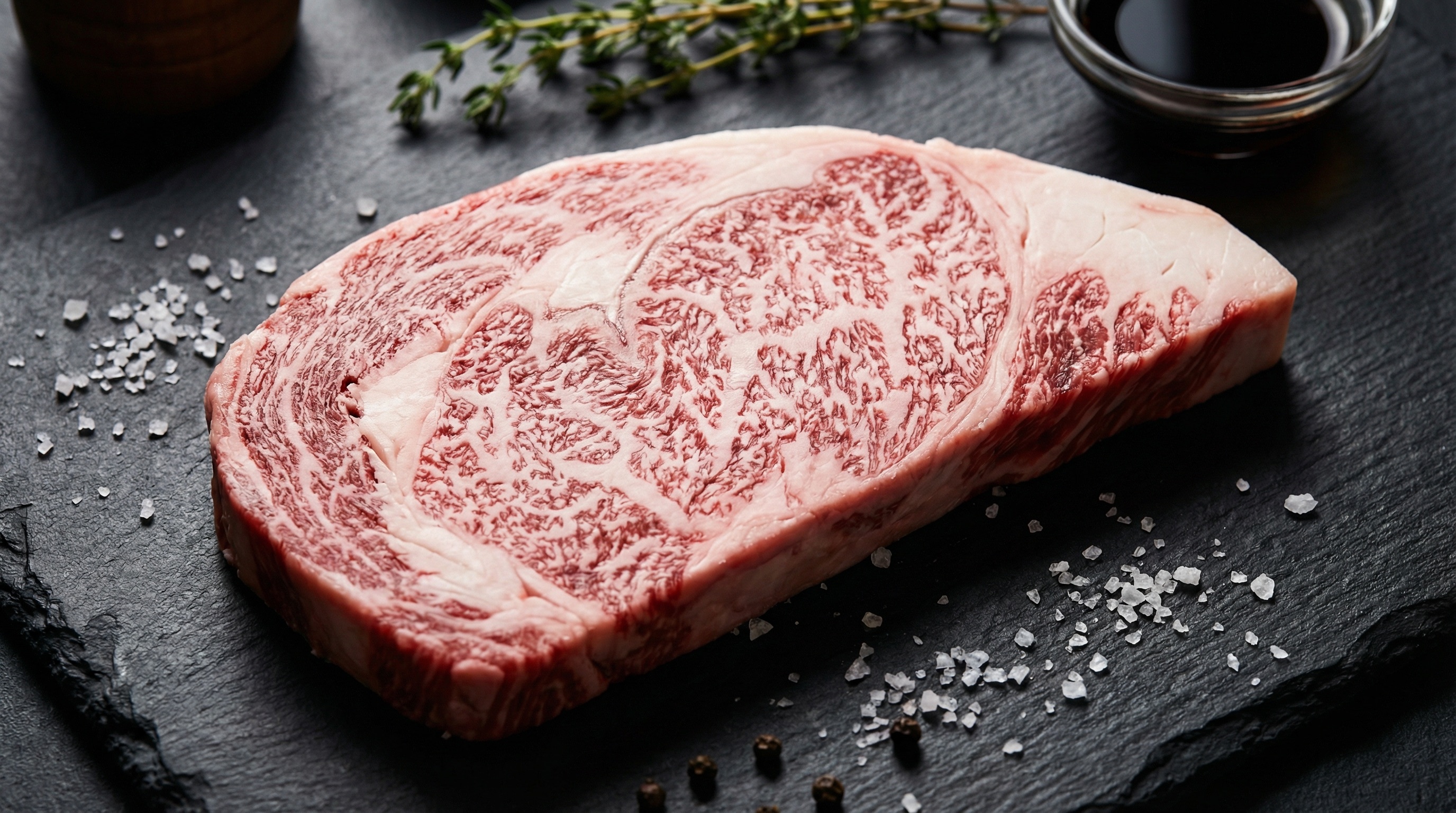
After twenty years importing, evaluating, and cooking wagyu beef, I've answered thousands of questions about this extraordinary product. This guide consolidates everything I've learned into a single comprehensive resource — whether you're a first-time buyer or a seasoned enthusiast looking to deepen your understanding.
What Is Wagyu Beef?
Wagyu (和牛) literally means "Japanese cow." But the term has come to represent far more than geography — it describes a category of beef defined by extraordinary marbling, distinctive genetics, and meticulous production methods that have no equivalent anywhere else in the world.
True wagyu comes from four Japanese cattle breeds, though Japanese Black (Kuroge) accounts for over 90% of premium wagyu production. These animals have been selectively bred for generations specifically for intramuscular fat deposition — the marbling that defines the wagyu eating experience.
What makes wagyu genuinely different from conventional beef:
- Marbling density: A5 wagyu can contain 50%+ intramuscular fat, compared to 6-8% in USDA Prime
- Fat composition: Higher oleic acid content gives wagyu fat a lower melting point (~77°F) and cleaner flavor
- Production time: Japanese wagyu is raised 28-32 months vs. 18-22 months for conventional cattle
- Eating experience: Properly prepared wagyu dissolves on the tongue — it's closer to foie gras than conventional steak
The Japanese Grading System
Japan's Meat Grading Association (JMGA) operates the world's most rigorous beef grading system. Understanding it is essential for buying wagyu intelligently.
The Two-Part Grade
Every Japanese beef grade combines a letter and number (e.g., A5, B4):
The letter (A, B, or C) is the yield grade — how much usable meat the carcass produces. A = above average (72%+), B = average, C = below average. This matters to wholesalers buying whole carcasses. For retail buyers purchasing individual steaks, the yield grade is largely irrelevant.
The number (1-5) is the quality grade, determined by four factors at the ribeye cross-section:
- BMS (Beef Marbling Standard): Scored 1-12
- Meat color and brightness
- Firmness and texture
- Fat color and quality
The overall quality grade equals the lowest individual score. A carcass with BMS 12 but poor fat color might only grade 4. For a quality grade of 5 (the highest), the beef must score excellent across all four dimensions.
→ Deep dive: The Japanese Wagyu Grading System Explained
Understanding BMS Scores
The Beef Marbling Standard is the most critical number when buying wagyu. Here's what each range means:
| BMS Score | Quality Grade | What to Expect |
|---|---|---|
| 1-2 | 1 | Minimal marbling (like USDA Select) |
| 3-4 | 2-3 | Moderate marbling (like USDA Choice) |
| 5-7 | 3-4 | Above average (USDA Prime equivalent and above) |
| 8-12 | 5 | Exceptional — the A5 range |
Critical insight: All A5 wagyu has BMS 8-12, but a BMS 8 steak and a BMS 12 steak are dramatically different products. The price difference can be 100%+. Always ask for the specific BMS number, not just the letter grade.
→ Deep dive: BMS Scale Explained — Understanding Wagyu Marbling Scores
Japanese Wagyu vs. American Wagyu
Both products have legitimate wagyu genetics, but they're fundamentally different eating experiences.
Japanese Wagyu
Purebred cattle raised in Japan for 28-32 months on proprietary feed blends. Graded by the JMGA on the BMS 1-12 scale. The fat is sweeter, cleaner, with an almost floral quality. A5 Japanese wagyu should be eaten in small portions (3-4 oz) — the richness is intense.
American Wagyu
American wagyu comes from cattle with Japanese wagyu genetics raised in the U.S. The genetic composition varies:
- Fullblood (100%): Both parents are registered wagyu. Can produce BMS 7-10 equivalent — genuinely excellent beef approaching mid-range Japanese quality.
- F1 Cross (50%): Wagyu sire × Angus dam. The most common "American Wagyu." Typically BMS 4-6 equivalent — better than conventional beef but a different product from Japanese A5.
American wagyu is typically finished on corn-based diets for 14-20 months. The flavor is beefier, more assertive — an amplified version of great American steak rather than the delicate sweetness of Japanese wagyu.
Neither is "better" — they serve different purposes. Japanese A5 is a transcendent small-portion luxury. American fullblood wagyu is an exceptional full-sized steak. F1 crosses are a meaningful upgrade over conventional beef at accessible prices.
→ Deep dive: American vs. Japanese Wagyu — An Honest Comparison
Japanese Wagyu Prefectures
Like wine, wagyu varies by region. Each Japanese prefecture has developed distinct genetic lines, feeding programs, and flavor characteristics.
The Heritage Brands
Kobe (Hyogo Prefecture): The most famous name. Exclusively Tajima-gyu cattle with fine, delicate marbling. Elegant, sweet, almost floral. Limited production (3,000-5,000 head annually) and rampant fraud in overseas markets.
Matsusaka (Mie Prefecture): Virgin heifers fed 900+ days. Ultra-rich, soft, pudding-like texture. The most expensive wagyu in Japan.
Omi (Shiga Prefecture): Japan's oldest branded beef (400+ years). Balanced and harmonious — often called the connoisseur's choice.
The Powerhouses
Miyazaki: Three-time consecutive Wagyu Olympics winner. Bold, robust, deeply umami. The most accessible authentic Japanese wagyu internationally due to strong export volume.
Kagoshima: Japan's largest producer. Rich, savory, excellent value. Pioneering oleic acid certification for premium fat quality.
→ Deep dive: Guide to Japanese Wagyu Prefectures and Regional Brands
Wagyu Cuts: What to Buy
The same A5 carcass produces dramatically different eating experiences depending on the cut. Here's what you need to know:
Premium Steaks
Ribeye: The king of wagyu cuts. Heaviest marbling, especially the spinalis (cap). Price: $120-$200/lb for Japanese A5.
Striploin: My recommended first purchase. Excellent marbling with firmer texture that provides more "steak" character. Better balanced than ribeye. Price: $100-$180/lb.
Tenderloin: The leanest premium cut — even in A5, less marbled than ribeye. Extraordinarily tender, milder flavor. Price: $130-$220/lb.
Value Cuts (The Smart Money)
Zabuton (Chuck Flap): Ribeye-level marbling at 1/3 the price. The best-kept secret in wagyu buying. Price: $40-$60/lb.
Karubi (Short Rib): The #1 yakiniku cut in Japan. Heavily marbled, intensely flavorful. Price: $30-$60/lb.
Misuji (Flat Iron): Remarkable marbling, slightly mineral flavor, excellent value. Price: $40-$70/lb.
For detailed guidance on every cut: Wagyu Cuts: Which to Buy and How They Differ
For understanding beef anatomy and primal cuts: Beef Primal Cuts Guide (Meat Cut Guide)
How to Cook Wagyu
Wagyu requires fundamentally different handling than conventional beef. The extreme marbling changes everything.
The Golden Rules
- Small portions: 3-4 oz per person for A5. The richness is intense — eating a 12 oz A5 steak will overwhelm you.
- Room temperature: Remove from fridge 30-45 minutes before cooking. Cold wagyu won't render its fat properly.
- Salt only: No marinades, no compound butters. The beef IS the flavor.
- No oil: The marbling provides all the lubrication. Use a dry pan.
- Don't overcook: Rare to medium-rare (115-125°F internal). At medium and above, the fat renders out and you're left with expensive dried meat.
Best Methods
Cast Iron Sear: Medium-high heat, 60-90 seconds per side for 3/4-inch steaks. Rest 2-3 minutes. Slice against the grain.
Yakiniku Style: Thin-slice the steak (1/4-inch), flash-sear each slice 10-15 seconds per side. Eat immediately. This is how most wagyu is consumed in Japan — and for good reason.
→ Deep dive: How to Cook A5 Wagyu — A Specialist's Guide
For the science of searing and temperature control: The Reverse Sear Method (The Grilling Science)
Buying Wagyu: How to Shop Smart
The wagyu market has significant fraud. Here's how to buy intelligently:
Always Ask
- What percentage? Fullblood (100%), F1 (50%), or something else?
- What BMS score? Not just "A5" — the specific number.
- What source? Prefecture (Japanese) or ranch (American)?
- Can you provide documentation? Japanese wagyu should have a 10-digit ID traceable to Japan's national database.
Price Reality Check
If you see prices significantly below these ranges, investigate carefully:
- Japanese A5 ribeye/strip: $100-$200/lb
- Japanese A5 chuck cuts: $35-$70/lb
- American fullblood: $40-$80/lb
- F1 cross: $20-$40/lb
→ Deep dive: Wagyu Buying Guide — How to Shop Smart
→ Deep dive: How to Authenticate Japanese Wagyu
Kobe Beef: Myth vs. Reality
Kobe beef is a specific type of wagyu — like how Champagne is a specific sparkling wine. All Kobe is wagyu, but the vast majority of wagyu is not Kobe.
Authentic Kobe must meet six simultaneous requirements: purebred Tajima cattle, born in Hyogo, raised in Hyogo, slaughtered at approved facilities, BMS 6+, and specific carcass weight limits. Only 3,000-5,000 head qualify annually — the entire global supply.
If you see "Kobe" on a U.S. restaurant menu, it's almost certainly not authentic. The Kobe Beef Association maintains a list of fewer than 50 authorized establishments in the entire United States.
→ Deep dive: Kobe vs. Wagyu — Understanding the Difference
For detailed comparisons of wagyu sources: Wagyu Compared
Your First Wagyu Experience
If you're new to wagyu, here's my recommendation:
Start with: Japanese A5 striploin, BMS 8-9. It delivers the full wagyu experience without the extreme intensity of BMS 11-12. Order 8-12 oz total to share between 2-3 people.
Prepare simply: Room temperature, salt only, cast iron sear, 60-90 seconds per side, slice thin.
Expect: A texture that dissolves on your tongue. Buttery, sweet, intensely umami flavor. An eating experience fundamentally different from any beef you've had before.
→ Your First A5 Wagyu: What to Expect
→ The Complete Guide to Preparing Wagyu at Home
Where to Buy Quality Wagyu
For authentic Japanese A5 wagyu with full traceability, The Meatery's Japanese A5 Wagyu collection offers verified product with individual animal ID numbers, BMS scores, and prefecture information. For American wagyu, their American Wagyu selection includes fullblood program beef.
Summary: Key Takeaways
- Wagyu's distinctive quality comes from genetics + extended feeding + rigorous grading
- Always ask for the specific BMS score, not just the letter grade
- A5 encompasses BMS 8-12 — a massive quality and price range
- Japanese and American wagyu are different products serving different purposes
- Value cuts (zabuton, karubi) deliver exceptional quality at lower prices
- Cook wagyu differently: small portions, simple seasoning, don't overcook
- Be skeptical of "Kobe" claims and prices below market norms
This guide covers the essentials, but wagyu is a subject that rewards deeper exploration. Use the linked guides above to dive into any topic that interests you. And if you're ready to taste for yourself, start with a quality A5 striploin and prepare for an experience you won't forget.
Frequently Asked Questions
What is wagyu beef?
Wagyu (和牛) means "Japanese cow" and refers to beef from specific Japanese cattle breeds, primarily Japanese Black. These cattle are selectively bred for extreme marbling — A5 wagyu can have 50%+ intramuscular fat. The result is beef that literally melts on your tongue, with a buttery, sweet flavor unlike conventional beef.
What does A5 wagyu mean?
A5 is the highest grade in the Japanese beef grading system. The "A" indicates above-average yield; the "5" indicates the highest quality score (BMS 8-12, excellent color, firmness, and fat quality). However, A5 encompasses BMS 8 through BMS 12 — a significant quality range. Always ask for the specific BMS number.
How much does wagyu beef cost?
Japanese A5 wagyu: $100-$200/lb for premium cuts (ribeye, striploin), $35-$70/lb for value cuts (chuck, shoulder). American fullblood wagyu: $40-$80/lb. F1 crosses: $20-$40/lb. Prices significantly below these ranges may indicate mislabeled product.
Is wagyu beef worth the price?
For a genuine A5 experience — yes, as an occasional luxury. The eating experience is fundamentally different from conventional beef. However, you need small portions (3-4 oz per person) and proper preparation. American wagyu or value cuts like zabuton offer excellent quality at more accessible prices for regular consumption.
What is the difference between Kobe and wagyu?
Kobe is a specific type of wagyu — like Champagne is to sparkling wine. Kobe must be Tajima-gyu cattle, born and raised in Hyogo Prefecture, meeting strict grading requirements. Only 3,000-5,000 head qualify annually. Most "Kobe" claims outside Japan are fraudulent.
How should I cook wagyu beef?
Small portions (3-4 oz for A5), room temperature before cooking, salt only, no oil in the pan, and never cook past medium-rare. The marbling renders at low temperatures — overcooking causes the fat to render out, leaving dry, expensive meat. A hot cast iron pan, 60-90 seconds per side, is ideal.
More Expert Guides
What Is Wagyu Beef? The Complete Guide to Grades, Origins & Quality
Discover wagyu beef origins, the difference between Japanese A5 and American wagyu, how BMS grading works, why marbling matters, proper cooking techniques, and what you should pay in 2026.
12 min readA5 Wagyu: Your Complete Buying & Authentication Guide (2026)
A5 wagyu represents the pinnacle of beef quality, but not all A5 is created equal. Learn how to authenticate real Japanese A5, decode BMS scores, find fair prices, and cook it perfectly at home.
14 min readA5 Wagyu Prefectures: Regional Guide to Japan's Best Beef
Discover the regional differences in Japanese A5 wagyu across 12 key prefectures. Learn which prefecture produces the flavor profile you'll love most.