How to Cook Wagyu Steak: A Japanese Expert's Complete Guide
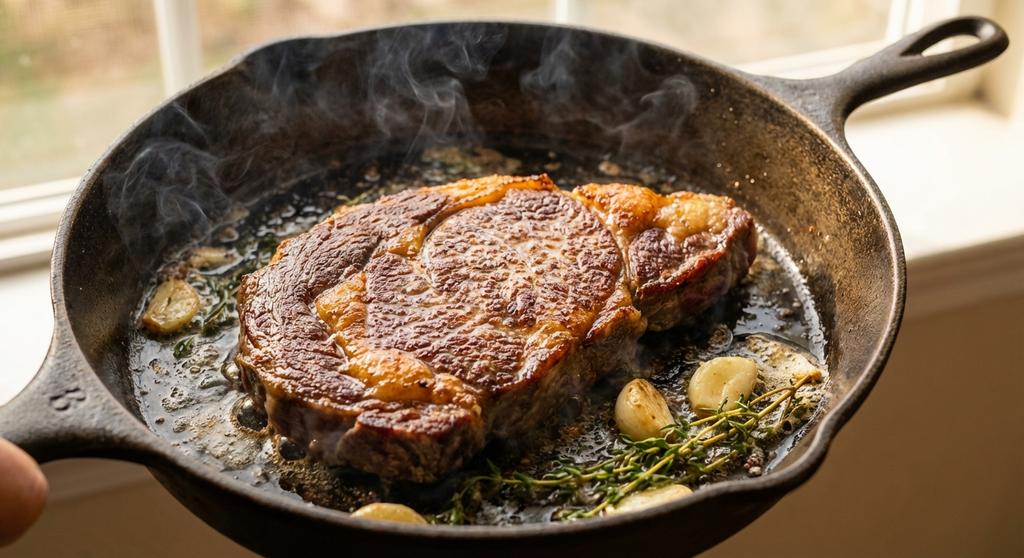
Learning how to cook wagyu steak is unlike mastering any other cut of beef. I've spent over two decades working with Japanese wagyu — first in Kobe, then across Miyazaki and Kagoshima prefectures — and I can tell you this with certainty: the techniques you use for conventional steak will ruin wagyu. The intramuscular fat that makes wagyu extraordinary also demands a fundamentally different approach in the kitchen.
Whether you've just invested in a Japanese A5 wagyu steak or you're working with a beautiful American or Australian wagyu cut, this guide will walk you through every step — from thawing to the final slice — so your wagyu reaches its full potential.
Why Wagyu Steak Requires Different Cooking Techniques
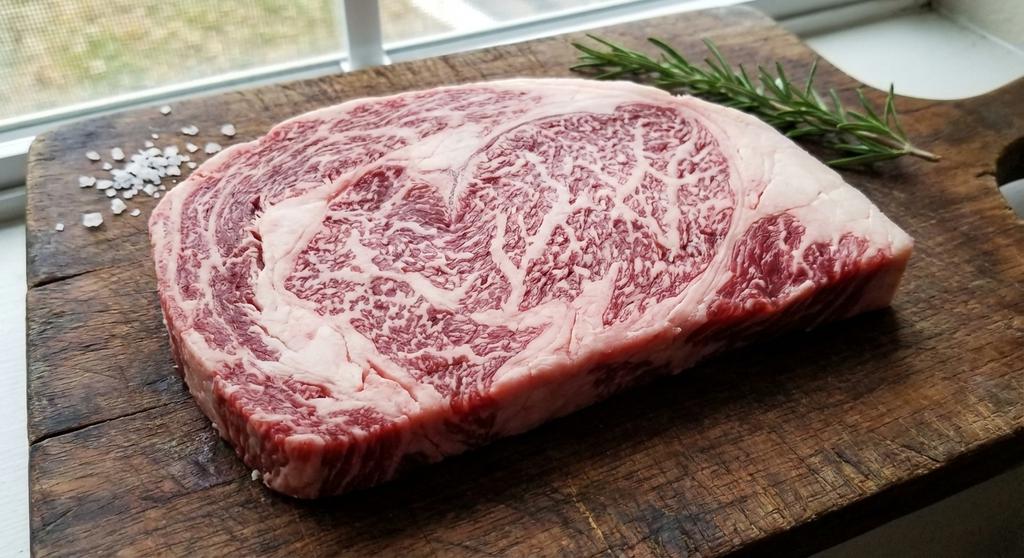
Wagyu beef contains dramatically more intramuscular fat than conventional beef. A USDA Prime steak might reach a BMS (Beef Marbling Standard) score of 4 or 5. Japanese A5 wagyu starts at BMS 8 and can reach BMS 12 — that's three to four times the marbling. This fat isn't just decoration. It melts at a lower temperature than regular beef fat, creating that signature buttery texture that wagyu is famous for.
But here's what most people get wrong: more fat means you need less heat, less cooking time, and smaller portions. Overcook wagyu and you render out the very marbling you paid a premium for. Undercook it and you won't activate the fat properly. The sweet spot is narrow, and hitting it consistently is what separates a mediocre wagyu experience from a transformative one.
How to Cook Wagyu Steak: Choosing the Right Cut and Grade
Understanding BMS and What It Means for Cooking
Before you turn on the stove, you need to understand what you're working with. The BMS score of your wagyu steak directly determines how you should cook it:
- BMS 6-8 (American/Australian Wagyu): These steaks have generous marbling but can handle slightly longer cook times. You can cut them thicker (1.5-2 inches) and cook to medium-rare without worry. Browse American wagyu options for a great entry point.
- BMS 9-10 (High-Grade Wagyu): Serious marbling. Keep portions to 4-6 oz and cook quickly over high heat. Medium-rare maximum.
- BMS 11-12 (A5 Japanese Wagyu): Peak marbling. These steaks should be sliced thin (¼ to ½ inch), seared briefly, and served in 2-3 oz portions. Any more and the richness becomes overwhelming.
Best Cuts of Wagyu for Cooking at Home
Not every wagyu cut cooks the same way. Here's what I recommend for home cooks:
| Cut | Best For | Thickness | Cook Method |
|---|---|---|---|
| Ribeye (リブロース) | Maximum marbling, rich flavor | ½-1 inch for A5; 1.5 in for American | Cast iron sear |
| Strip (サーロイン) | Balance of marbling and beefy flavor | ¾-1.5 inch | Cast iron or grill |
| Tenderloin (ヒレ) | Tender texture, leaner than ribeye | 1-2 inch medallions | Quick sear, butter baste |
| Denver (ザブトン) | Underrated gem, excellent marbling | ¾-1 inch | Cast iron sear |
| Flat Iron | Affordable, great for beginners | ¾-1 inch | Cast iron or grill |
For your first wagyu cooking experience, I'd suggest a ribeye or strip from the best sellers collection. These cuts are forgiving enough for beginners while showcasing what wagyu does best.
Preparing Your Wagyu Steak Before Cooking
Thawing: The Step Most People Rush
If your wagyu arrives frozen, proper thawing is non-negotiable. Never microwave-defrost wagyu — the uneven heating will partially cook sections while leaving others frozen, creating pockets of rendered fat and raw meat.
- Refrigerator thaw (recommended): Place the vacuum-sealed steak in the refrigerator 24-48 hours before cooking. This is the safest, most even method.
- Cold water thaw (faster): Submerge the sealed package in cold water for 30-60 minutes, changing water every 15 minutes. Good for same-day cooking.
- Never: Leave wagyu on the counter at room temperature to thaw. The exterior will reach the danger zone while the center stays frozen.
Tempering: Bringing Your Steak to Room Temperature
After thawing, remove the steak from its packaging and let it sit at room temperature for 30-45 minutes before cooking. For A5 wagyu cut thin (under ½ inch), 15-20 minutes is sufficient. This allows even cooking throughout — a cold center means you'll overcook the exterior before the middle reaches temperature.
Seasoning Wagyu: Less Is More
This is where I see the biggest mistakes. Wagyu with BMS 9+ needs almost nothing — the fat carries extraordinary flavor on its own. My approach by grade:
- A5 Japanese Wagyu (BMS 9-12): Fine sea salt only. Applied right before cooking. Some purists in Japan use no seasoning at all, letting you taste the terroir of the prefecture. I prefer a light touch of Maldon flake salt.
- American/Australian Wagyu (BMS 6-8): Sea salt and freshly cracked black pepper. You can be slightly more generous here. A light brush of high-smoke-point oil on the steak's surface.
- Never: Marinades, wet rubs, or heavy spice blends. You didn't pay for wagyu to taste like a spice rack.
How to Cook Wagyu Steak: The Pan-Sear Method (Best for Most Cuts)
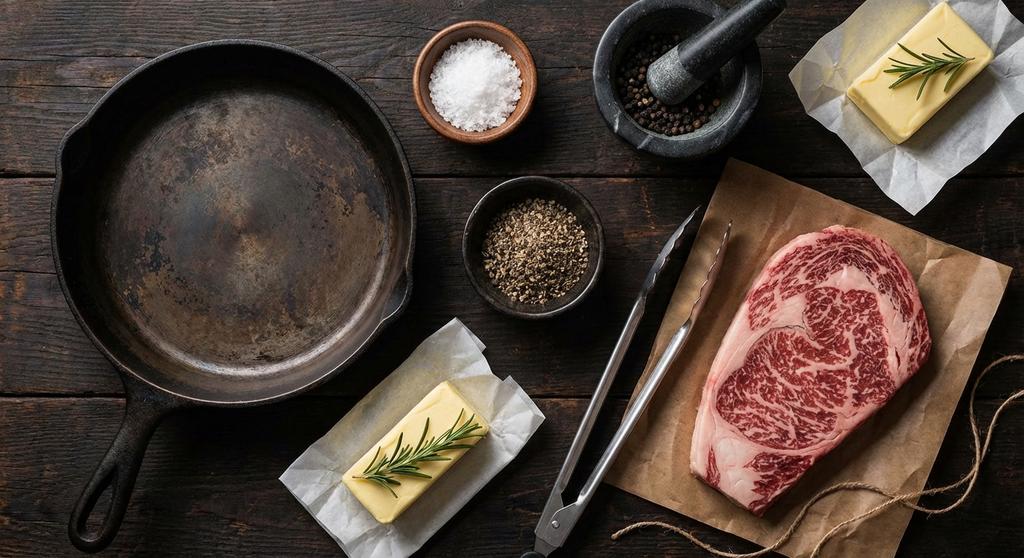
The cast iron pan sear is the most reliable method for cooking wagyu steak at home. It gives you precise control over temperature and creates an exceptional crust. Here's my step-by-step technique:
Equipment You Need
- Heavy cast iron skillet (12-inch preferred)
- Instant-read thermometer (I use a Thermapen — non-negotiable for wagyu)
- Metal tongs (not silicone — you need grip)
- Wire cooling rack set over a sheet pan (for resting)
- Sharp knife for slicing (Japanese yanagiba if you have one)
Step 1: Preheat Your Pan
Place the cast iron skillet over medium-high heat for 3-5 minutes until it's evenly hot. For conventional steak, you'd want screaming hot. For wagyu, back off slightly — medium-high (around 400-450°F surface temperature). Too hot and the exterior chars before the interior comes up to temperature.
For A5 wagyu: You typically don't need to add oil. The steak's own fat will render immediately on contact. In fact, some chefs trim a small piece of fat from the steak and render it in the pan first.
For American/Australian wagyu: A thin film of high-smoke-point oil (avocado or refined grapeseed) is fine.
Step 2: Sear the Steak
Place the steak away from you in the pan (safety first — hot fat can splatter). Don't touch it. Let it develop a crust. Timing depends on thickness:
| Steak Thickness | First Side | Second Side | Target Internal Temp |
|---|---|---|---|
| ¼ inch (A5 thin-cut) | 30-45 seconds | 30-45 seconds | 125-130°F |
| ½ inch | 1-1.5 minutes | 1-1.5 minutes | 125-130°F |
| 1 inch | 2-2.5 minutes | 2-2.5 minutes | 125-130°F |
| 1.5 inches | 3 minutes | 3 minutes | 125-130°F |
| 2 inches (American wagyu) | 3-4 minutes | 3-4 minutes + oven finish at 400°F for 4-5 min | 130-135°F |
Critical tip: Flip only once. Every time you flip, you reset the Maillard reaction on that side. One flip gives you two perfect crusts.
Step 3: Check Temperature
Insert your thermometer into the thickest part of the steak, approaching from the side. For wagyu, target these internal temperatures:
- Rare: 120-125°F (best for thin-cut A5)
- Medium-Rare: 125-130°F (ideal for most wagyu)
- Medium: 130-135°F (maximum I'd recommend for any wagyu)
Going past medium with wagyu is, frankly, a waste. The intramuscular fat that makes wagyu special renders out at higher temperatures, leaving you with a dry, expensive steak that tastes no different from conventional beef.
How to Cook Wagyu Steak on the Grill
Grilling works well for thicker American and Australian wagyu steaks, but I'd avoid it for thin-cut A5. The flare-ups from rendering fat can char the exterior before you can react.
Grill Setup for Wagyu
- Two-zone fire: Create a hot zone (direct heat, 500°F+) and a cool zone (indirect, 300°F). This gives you an escape route if flare-ups happen.
- Clean grates: Brush thoroughly and oil lightly. Wagyu sticks less than lean beef, but clean grates ensure even grill marks.
- Sear hot, finish cool: Start over direct heat for 2-3 minutes per side, then move to indirect heat to finish to temperature.
- Keep the lid open during the sear phase. Closing it traps smoke from dripping fat and can give the steak an acrid flavor.
Resting and Slicing Your Wagyu Steak
Why Resting Matters Even More with Wagyu
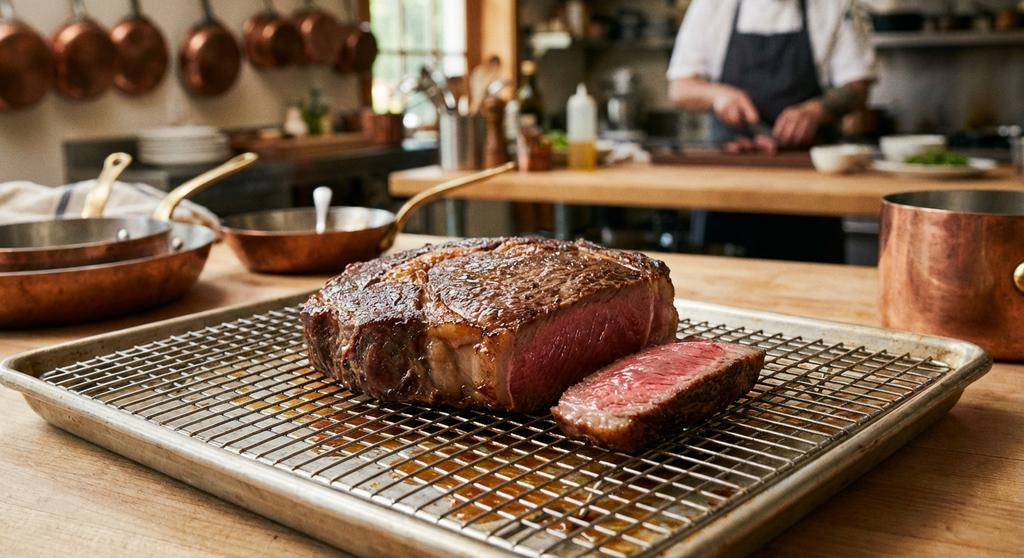
Resting allows the temperature to equalize and the rendered fat to redistribute throughout the meat. Skip this step and you'll lose a flood of liquid fat when you cut — flavor and moisture you'll never get back.
- Thin A5 cuts (¼-½ inch): Rest 2-3 minutes on a wire rack
- Standard cuts (1-1.5 inch): Rest 5-7 minutes
- Thick cuts (2+ inches): Rest 8-10 minutes, loosely tented with foil
Rest on a wire rack, not a plate. A plate traps steam underneath and softens the crust you worked to create.
Slicing Technique
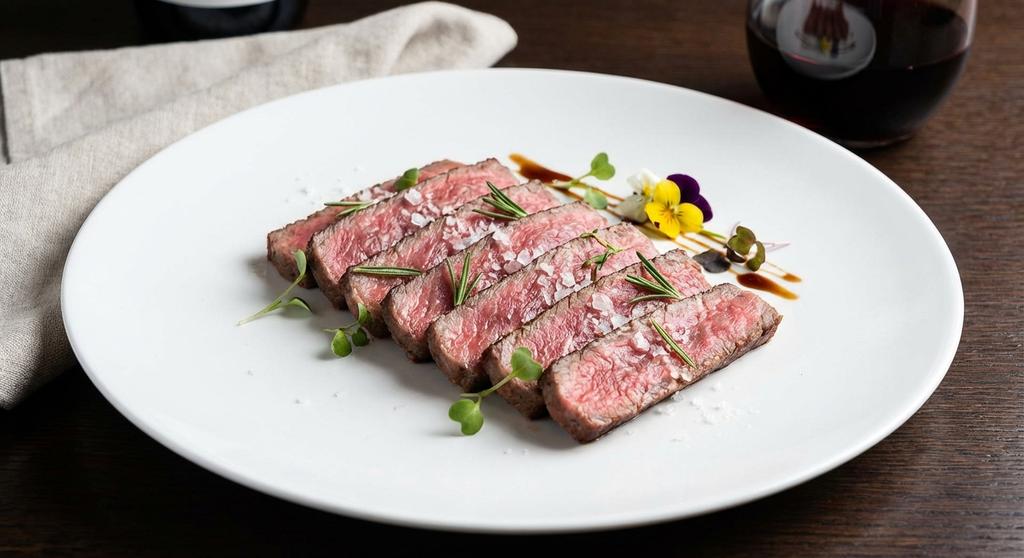
Always slice against the grain. For A5 wagyu, cut thin slices (¼ inch) — this makes the rich fat more manageable in each bite. For American wagyu at lower BMS scores, you can cut slightly thicker (½ inch slices) or serve whole if preferred.
Use a sharp, long knife. A dull blade tears the delicate fat structure instead of cutting cleanly through it.
Serving and Pairing Wagyu Steak
Wagyu is rich. Your sides and pairings should balance that richness, not compete with it:
- Acid cuts fat: A simple salad with yuzu vinaigrette, pickled vegetables, or a squeeze of fresh lemon over the sliced steak
- Keep sides light: Steamed rice (the classic Japanese pairing), grilled vegetables, or a clean green salad. Skip heavy cream sauces or loaded potatoes.
- Drink pairing: A crisp sake (junmai daiginjo), Champagne, or a light-bodied Pinot Noir. Heavy Cabernets overpower the delicate wagyu flavors.
- Portion control: For A5 wagyu, 2-4 oz per person is a full serving. For American/Australian wagyu, 6-8 oz. Don't let your eyes be bigger than your stomach.
Common Mistakes When Cooking Wagyu Steak
After teaching hundreds of home cooks and professional chefs how to cook wagyu steak, these are the errors I see most often:
- Cooking A5 wagyu like a regular steak: Thick-cutting an A5 ribeye to 2 inches and cooking it to medium is the single biggest waste of money in steak cooking. Thin-cut, quick sear, rare to medium-rare.
- Adding butter to the pan: Wagyu has more fat than it needs already. Adding butter just pools excess grease in the pan. This isn't a lean filet mignon that needs help.
- Skipping the thermometer: "Cooking by feel" is how experienced chefs overcook wagyu. The window between perfect and overdone is 5-10°F. Use a thermometer.
- Overcrowding the pan: Cook one steak at a time. Two steaks in a pan drop the temperature and steam instead of sear.
- Not resting: Cutting into wagyu immediately dumps rendered fat onto the plate instead of keeping it in the meat.
- Over-seasoning: Wagyu fat carries flavor beautifully. Heavy seasoning masks the nuanced, buttery taste you paid for.
Cooking Wagyu Steak by Grade: Quick Reference
Here's my condensed cheat sheet, organized by the type of wagyu you're working with:
Japanese A5 Wagyu (BMS 8-12)
- Cut thin: ¼ to ½ inch
- Season: Salt only
- Pan: No oil needed (use rendered wagyu fat)
- Sear: 30-90 seconds per side
- Target temp: 120-130°F (rare to medium-rare)
- Rest: 2-3 minutes
- Portion: 2-4 oz per person
- Slice thin, serve immediately
American Wagyu (BMS 6-9)
- Cut: 1-2 inches
- Season: Salt + pepper
- Pan: Light oil (avocado)
- Sear: 2-4 minutes per side
- Target temp: 125-135°F (medium-rare to medium)
- Rest: 5-8 minutes
- Portion: 6-8 oz per person
- Slice or serve whole
Australian Wagyu (BMS 6-9+)
- Cut: 1-1.5 inches
- Season: Salt + pepper, light garlic optional
- Pan or grill: Light oil
- Sear: 2-3 minutes per side
- Target temp: 125-135°F
- Rest: 5-7 minutes
- Portion: 6-8 oz per person
- Explore Australian wagyu cuts for excellent quality at accessible prices
Frequently Asked Questions
Frequently Asked Questions
How long should you cook wagyu steak?
Cooking time depends on thickness and grade. Thin-cut A5 wagyu (¼ inch) needs only 30-45 seconds per side. A 1-inch American wagyu steak takes 2-2.5 minutes per side. Always use an instant-read thermometer — target 125-130°F for medium-rare, which is ideal for most wagyu.
Should you use oil when cooking wagyu steak?
For A5 Japanese wagyu (BMS 9+), no oil is needed — the steak renders enough of its own fat. For American or Australian wagyu (BMS 6-8), use a thin film of high-smoke-point oil like avocado oil. Never use butter; wagyu already has more than enough fat.
What temperature should wagyu steak be cooked to?
Medium-rare (125-130°F internal) is ideal for most wagyu. A5 wagyu can be served rare (120-125°F). Never cook wagyu past medium (135°F) — higher temperatures render out the intramuscular fat, eliminating the buttery texture you paid a premium for.
Can you cook wagyu steak on a grill?
Yes, but only for thicker cuts (1 inch+) of American or Australian wagyu. Use a two-zone fire setup — sear over direct heat, then finish on indirect. Avoid grilling thin-cut A5 wagyu, as the dripping fat causes flare-ups that can char the steak.
How much wagyu steak per person?
For A5 Japanese wagyu, 2-4 oz per person is a full serving — the richness is intense. For American or Australian wagyu, 6-8 oz per person is appropriate. Wagyu is richer than conventional beef, so portions should be smaller than what you're used to.
More Expert Guides
What Is Wagyu Beef? The Complete Guide to Grades, Origins & Quality
Discover wagyu beef origins, the difference between Japanese A5 and American wagyu, how BMS grading works, why marbling matters, proper cooking techniques, and what you should pay in 2026.
12 min readA5 Wagyu: Your Complete Buying & Authentication Guide (2026)
A5 wagyu represents the pinnacle of beef quality, but not all A5 is created equal. Learn how to authenticate real Japanese A5, decode BMS scores, find fair prices, and cook it perfectly at home.
14 min readA5 Wagyu Prefectures: Regional Guide to Japan's Best Beef
Discover the regional differences in Japanese A5 wagyu across 12 key prefectures. Learn which prefecture produces the flavor profile you'll love most.